Aquascaping With Mosses and Ferns Only: No Substrate Required
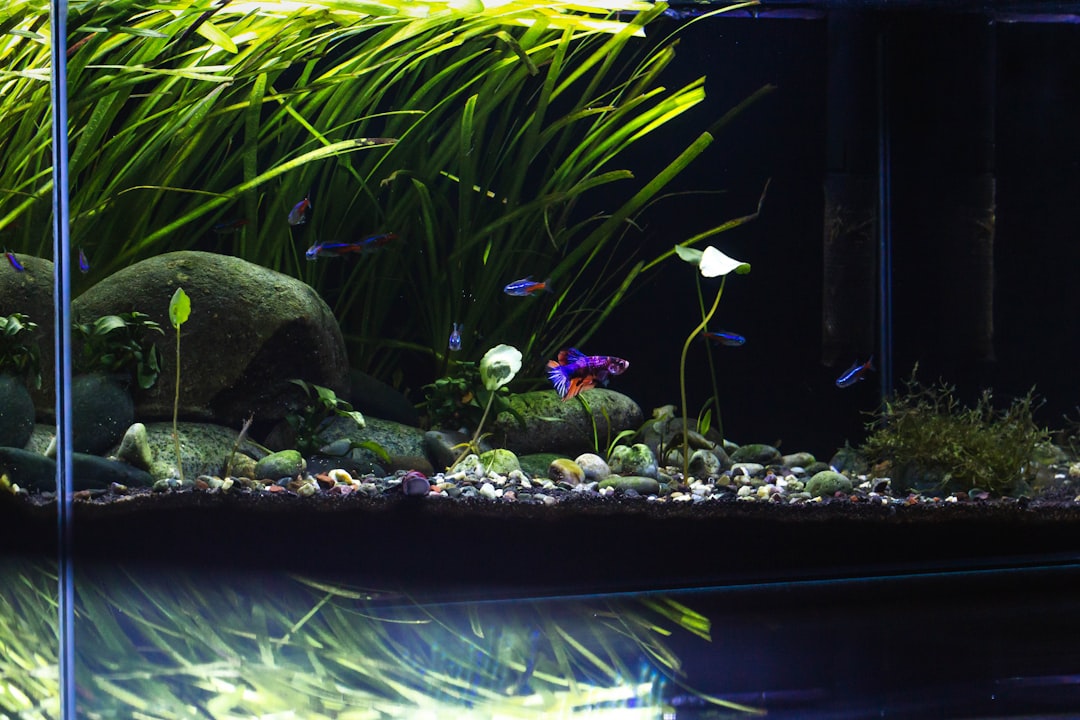
What if you could build a stunning planted tank without buying a single bag of aquasoil? When you aquascape with mosses and ferns only, every plant attaches directly to hardscape — wood, rock and mesh — eliminating the need for nutrient-rich substrate entirely. This approach from Gensou Aquascaping in Singapore appeals to hobbyists who want lush greenery without the cost, mess and eventual exhaustion of specialised planted tank substrates. A bare sand bottom or even bare glass is all you need underneath.
Why Skip the Substrate
Nutrient substrates like aquasoil cost $25-50 per bag, leach ammonia during the first few weeks, cloud water during rescapes and eventually deplete after 12-18 months. Mosses and ferns are epiphytes — they draw nutrients from the water column, not the ground. By building your entire plant palette from epiphytic species, you sidestep substrate issues entirely. Cleaning becomes easier (gravel vacuum the bare bottom), rescaping is simpler (just move the hardscape), and the tank cycles faster without ammonia-leaching soil.
Best Mosses for the Layout
Christmas moss (Vesicularia montagnei) has triangular fronds that drape beautifully over driftwood branches. Flame moss (Taxiphyllum sp. ‘Flame’) grows upward in distinctive spire-like tufts, perfect for creating vertical accents on stone. Weeping moss (Vesicularia ferriei) cascades downward, ideal for overhanging ledges. Java moss (Taxiphyllum barbieri) is the most forgiving — it thrives in almost any condition and fills gaps quickly. A 5×5 cm portion of any of these costs $3-6 at Singapore fish shops.
Best Ferns to Complement Mosses
Java fern varieties provide the larger leaf structure that mosses lack. Use standard java fern for background mass, ‘Windelov’ for mid-ground texture and ‘Trident’ for foreground detail. Bolbitis heudelotii (African water fern) adds dark green, finely divided leaves that contrast beautifully with lighter mosses. Microsorum sp. ‘Mini’ stays small and compact, suitable for nano tanks. All these ferns attach to hardscape the same way — superglue, thread or simply wedging rhizomes into crevices.
Hardscape Design
Your hardscape carries extra weight in this layout since it serves as both structure and substrate. Choose branching driftwood with many attachment points — spiderwood is excellent for this purpose, with its sprawling root-like branches offering dozens of planting spots. Supplement with textured rocks; lava rock’s porous surface grips moss particularly well. Create a strong focal point with a large central wood piece, then position secondary stones around it. Leave open sandy areas at the base for visual breathing room.
Attachment Techniques
For mosses, the most reliable method is tying thin portions onto mesh pads or directly to hardscape using fine fishing line. Stainless steel mesh cut to shape creates flat moss pads that can be placed on horizontal surfaces. Superglue gel works for both mosses and ferns — press a small clump firmly onto a bead of cyanoacrylate and hold for 30 seconds. Dark cotton thread is nearly invisible against wood and biodegrades naturally in 4-6 weeks, by which time the moss has gripped the surface.
Avoid thick clumps when attaching moss. Thin, spread-out portions attach faster and grow more evenly than dense balls that rot at the centre.
Lighting and Nutrients
Low to moderate light suits this palette perfectly — 20-35 lumens per litre prevents algae while supporting healthy growth. Both mosses and ferns are slow-to-moderate growers that do not demand CO2 injection, though a small CO2 supply noticeably improves moss density. Dose a liquid fertiliser weekly; since there is no substrate to absorb nutrients, water-column dosing is your only delivery method. Products like Tropica Premium Nutrition or APT Complete at the recommended dose provide everything these epiphytes need.
Livestock Compatibility
Moss-and-fern tanks are paradise for shrimp. Neocaridina cherry shrimp graze biofilm on moss surfaces, and the dense growth provides shelter for shrimplets. Small rasboras, ember tetras and Boraras species school beautifully among fern fronds. Otocinclus catfish help keep leaves algae-free. Avoid large or boisterous fish that uproot moss — goldfish, large cichlids and vigorous diggers will tear apart your careful work.
Maintenance and Growth Over Time
Trim mosses every 3-4 weeks to maintain shape — they grow outward continuously and become shaggy without pruning. Remove detached moss fragments during water changes before they clog filter intakes. Ferns need less frequent attention; remove old leaves as they yellow and relocate plantlets that sprout on leaf surfaces. The beauty of an aquascape with mosses and ferns is its longevity — these plants do not melt, replant or die back seasonally. A well-maintained layout improves steadily over years, filling in naturally while requiring far less intervention than a conventional planted tank.
Related Reading