

How to Fix Blue-Green Algae on Aquarium Sand

A slimy, dark green sheet spreading across your aquarium sand is unmistakable — and unmistakably unpleasant. Blue-green algae, technically cyanobacteria, is one of the most frustrating problems in the hobby because it recurs aggressively if the underlying cause is not addressed. Understanding how to fix blue green algae sand aquarium outbreaks requires targeting the bacteria itself and correcting the conditions that favour it. This guide from Gensou Aquascaping in Singapore draws on over 20 years of hands-on experience managing planted tanks and helps you eliminate cyano for good.
What Is Blue-Green Algae?
Despite the name, blue-green algae is not true algae — it is a photosynthetic bacterium belonging to the phylum Cyanobacteria. In aquariums, it forms slimy, sheet-like mats that are typically dark green, teal, or sometimes almost black. The distinctive feature is its texture: it peels off surfaces in sheets rather than growing as filaments or spots. It produces a strong, musty odour that is immediately noticeable when you lift the tank lid. Cyanobacteria thrive in stagnant, nutrient-imbalanced conditions and can fix atmospheric nitrogen, giving them a competitive edge over true algae in low-nitrate environments.
Why Sand Is Especially Vulnerable
Sand substrates create ideal conditions for cyanobacteria in ways that gravel and aquasoil do not. Fine sand compacts easily, creating anaerobic pockets just below the surface where beneficial bacteria cannot survive but cyano thrives. Low flow at the substrate surface — common in areas behind hardscape or in tank corners — allows the bacteria to establish undisturbed. Sand also lacks the nutrient-buffering capacity of enriched substrates, contributing to the nutrient imbalances that cyano exploits. Bright lighting hitting bare sand patches without plant cover accelerates the problem.
Manual Removal First
Before any chemical treatment, remove as much cyanobacteria as possible manually. During a water change, use a gravel vacuum to siphon the slimy mats directly off the sand surface. Work methodically from one end of the tank to the other. The sheets lift easily, which makes physical removal more effective than with other algae types. Discard the siphoned water rather than returning it through a filter. Follow up with a 40–50% water change to dilute any toxins the cyanobacteria released. Repeat this process every two to three days for a week before escalating to chemical treatment.
Blackout Method
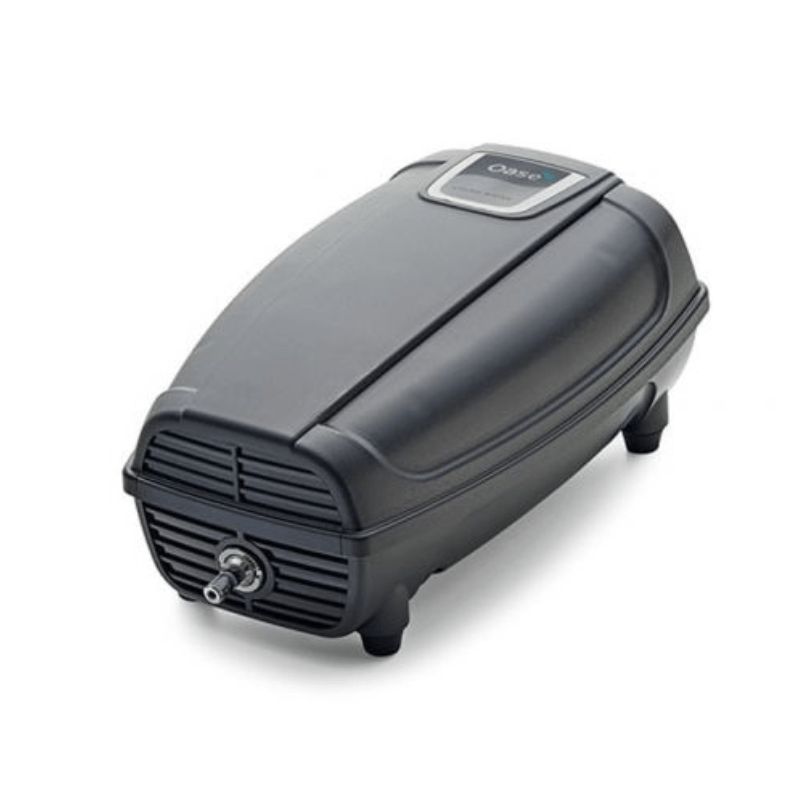
A three-day complete blackout starves cyanobacteria of the light energy it needs for photosynthesis. Cover the tank entirely with thick towels or cardboard — no light should enter from any angle. Turn off tank lights and block any ambient room light. Keep filtration and aeration running throughout. Most plants tolerate three days of darkness without significant damage, though delicate species may lose a few leaves. After the blackout, perform a large water change and manually remove any remaining cyano. This method works well for mild to moderate outbreaks but may not fully resolve severe cases.
Antibiotic Treatment
For persistent outbreaks, erythromycin is the standard treatment. Because cyanobacteria are bacteria rather than algae, they respond to antibiotics. Dose erythromycin at 200 mg per 40 litres, treating for three consecutive days with a 30% water change between doses. In Singapore, erythromycin can be sourced from aquarium specialty shops or online — it is sometimes sold under brand names like API E.M. Erythromycin. Remove activated carbon from your filter during treatment, as it absorbs the medication. The cyano typically dies within 48–72 hours of the first dose, breaking apart into brown debris that you can siphon out.
Addressing Root Causes
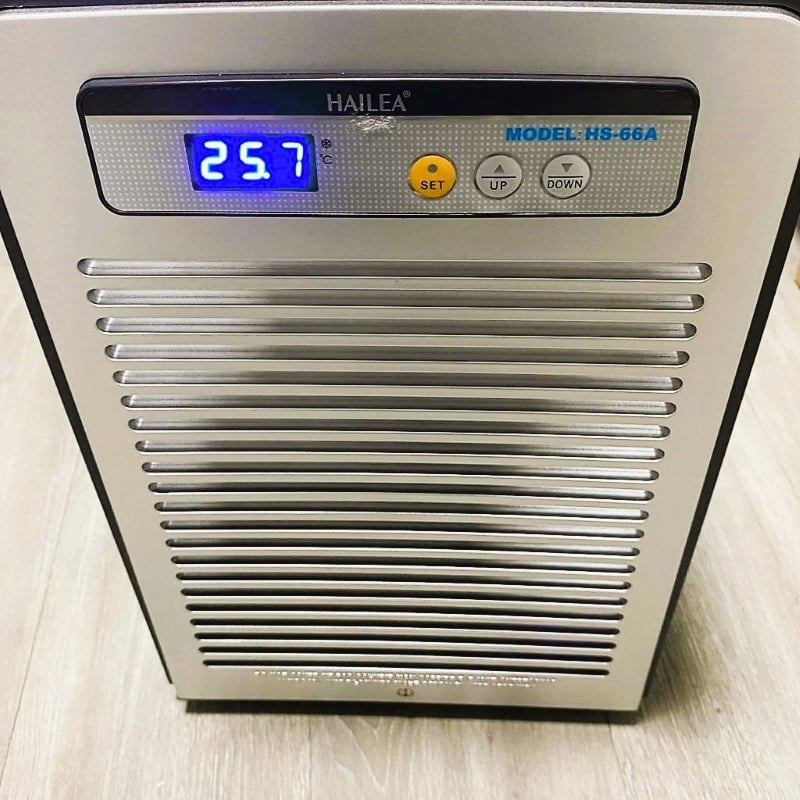
Treating the symptoms without fixing the cause guarantees recurrence. Low nitrate is the most common trigger — cyanobacteria outcompete true algae and plants when nitrogen drops below 5 ppm. Test your nitrate levels and dose potassium nitrate to maintain 10–20 ppm in planted tanks. Poor flow at the substrate surface is the second major factor; reposition filter outlets or add a small powerhead to eliminate dead spots. In Singapore’s warm climate, high temperatures accelerate cyano growth — keeping water at 25–26 °C with a fan rather than allowing it to sit at 29–30 °C makes a noticeable difference.
Improving Flow Over Sand
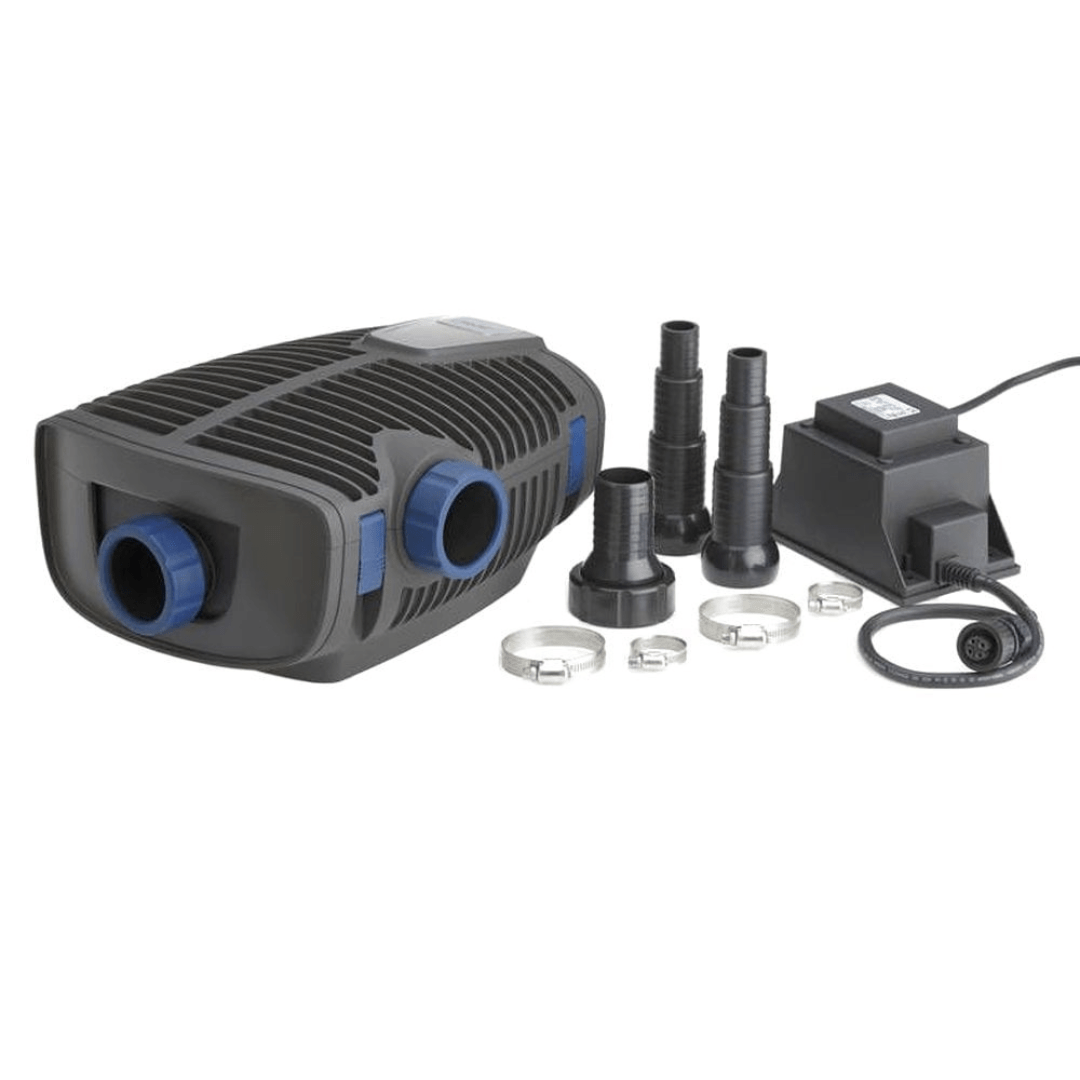
Directing gentle but consistent water movement across the sand surface prevents cyanobacteria from establishing. Angle your filter outlet or lily pipe slightly downward to push flow along the substrate rather than across the top of the water. A small wavemaker on a low setting creates subtle oscillating current that disrupts biofilm formation. Avoid creating sand storms — the goal is barely perceptible movement at the surface level. Malaysian trumpet snails also help by constantly turning over the top layer of sand, preventing the compaction and stagnation that cyano exploits.
Long-Term Prevention
Maintain balanced macronutrients — nitrogen, phosphorus, and potassium — through consistent dosing. Plant heavily to outcompete cyanobacteria for light and nutrients; fast-growing stem plants and floating plants are particularly effective competitors. Avoid leaving large areas of bare sand in brightly lit zones — either plant ground cover or shade exposed areas with hardscape. Regular substrate maintenance with a gentle vacuum during water changes prevents the organic buildup that feeds cyano colonies. With these measures in place, you should be able to fix blue green algae sand aquarium problems permanently and keep your substrate clean.
Related Reading



