
How to Fix Green Dust Algae on Aquarium Glass
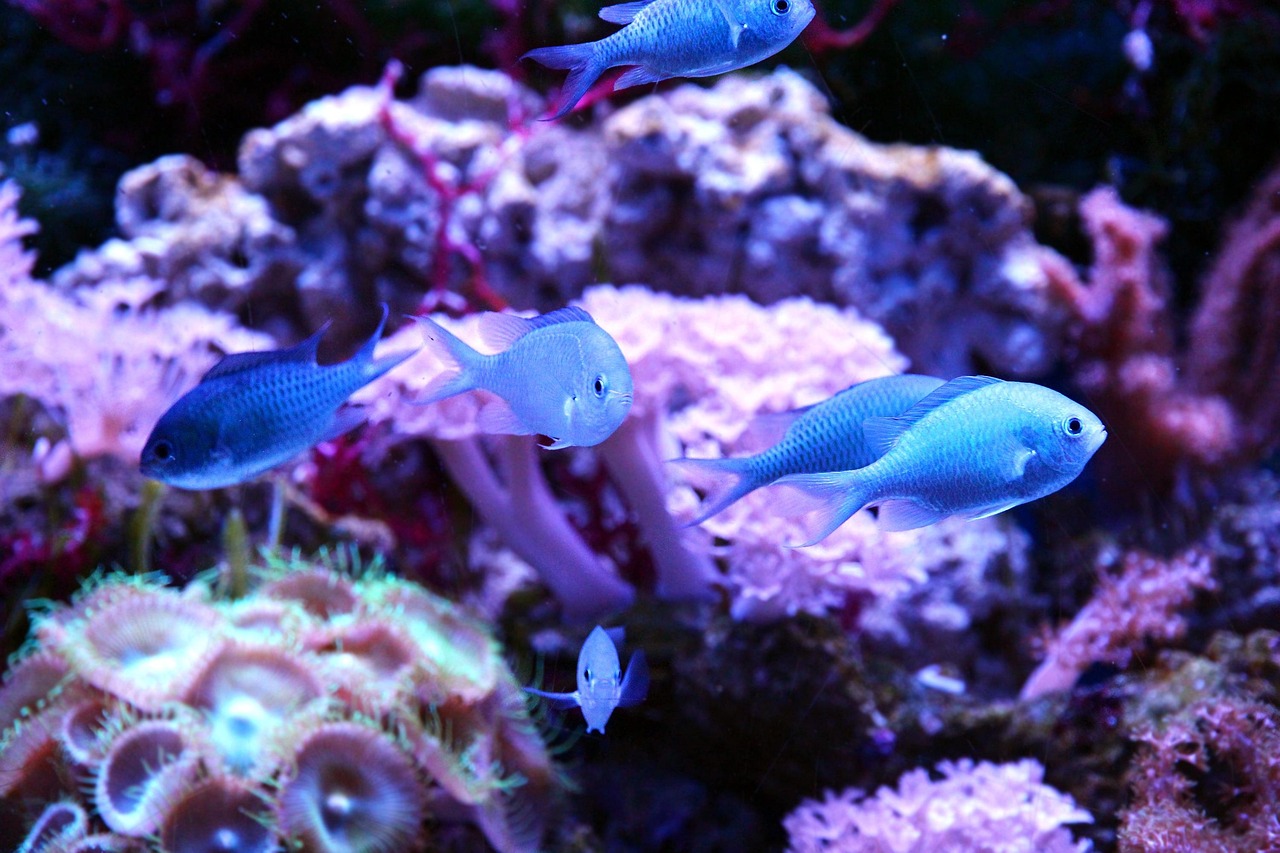
A thin layer of bright green film coating the front glass of your aquarium every few days is one of the most common frustrations in the planted tank hobby — and also one of the most misdiagnosed. Green dust algae on aquarium glass is distinct from green spot algae, requires a different response, and understanding the difference is the starting point for actually solving the problem. This fix green dust algae glass aquarium guide from Gensou Aquascaping at 5 Everton Park, Singapore breaks down identification, causes, and practical fixes.
Identifying Green Dust Algae vs Green Spot Algae
Green dust algae (GDA) forms a thin, powdery green film on the glass that wipes off easily with a soft cloth or your finger — it has no grip and smears rather than scraping. Green spot algae (GSA), by contrast, forms hard, circular green spots that resist a soft wipe and require an algae scraper or razor blade to remove. If your glass film comes off with almost no pressure, you are dealing with GDA. This distinction matters because the causes and solutions for each are quite different.
What Causes Green Dust Algae
GDA is primarily a single-celled green alga (typically Coleochaete or related forms) that thrives when light is abundant but other algae or plants are not yet competing effectively. It is most common in newly set-up tanks during the first six to twelve weeks, when the biological system is still establishing and plant growth has not yet reached its full competitive mass. Other triggers include inconsistent lighting schedules, excess phosphate relative to nitrogen, and low CO2 in CO2-injected tanks that has been reduced or turned off erratically.
The Counterintuitive Fix: Stop Wiping
The most effective approach to clearing GDA permanently is to stop cleaning the glass for three to four weeks. This sounds wrong, but the reasoning is sound: GDA has a life cycle, and left undisturbed, it completes that cycle and crashes on its own. Each time you wipe it off, you are removing algae before it completes its cycle and resetting the process — meaning the problem persists indefinitely. Leave the glass untouched for 21–28 days, allow the GDA to mature and die back naturally, then do a single thorough clean. In many tanks this resolves the recurrence entirely.
Adjusting Light to Address the Root Cause
While waiting for the GDA cycle to complete, address the underlying driver. Review your light schedule: eight to ten hours is typically sufficient for planted tanks; more than that favours algae over plants in most setups. If you have a high-powered LED, consider reducing intensity by 20–30% for two to three weeks. In Singapore, where ambient light coming through windows can add to tank light levels depending on orientation, check whether your tank receives direct or bright indirect sunlight at any point during the day — this is a frequently overlooked contributor.
Nutrient Balance and CO2
In injected tanks, a sudden drop in CO2 concentration — from a near-empty cylinder, a leaking regulator, or a CO2 timer misconfiguration — causes plants to reduce photosynthesis rate, leaving excess nutrients available for algae. Check your CO2 drop checker is maintaining a stable green colour throughout the photoperiod. In non-injected tanks, reducing phosphate through moderate feeding and regular water changes often reduces GDA recurrence. Avoid overfeeding; uneaten food is the most direct source of excess phosphate in most home aquariums.
Biological Competition: Adding Algae Eaters
Nerite snails graze glass surfaces effectively and can prevent GDA recolonisation after the initial clearance. Two to three nerites per 60 litres is a reasonable stocking level. Otocinclus catfish also graze glass-dwelling algae. Neither will solve an active GDA bloom on its own — the algae grows faster than these grazers can consume it during peak bloom — but they are valuable long-term prevention tools in a stable, balanced tank.
Long-Term Prevention
Once the tank stabilises — typically after the first two to three months — GDA usually reduces to negligible levels if lighting, CO2, and nutrients are balanced. Weekly glass cleaning as part of your maintenance routine removes any developing film before it establishes fully. A light timer ensures consistent photoperiod. Gensou Aquascaping advises hobbyists to use a light meter app to check PAR at the substrate level after any equipment change; a tank that suddenly runs significantly brighter than intended will almost always develop algae issues within two to three weeks.
Related Reading



