
How to Aquascape for Rope Fish: Escape-Proof and Comfortable
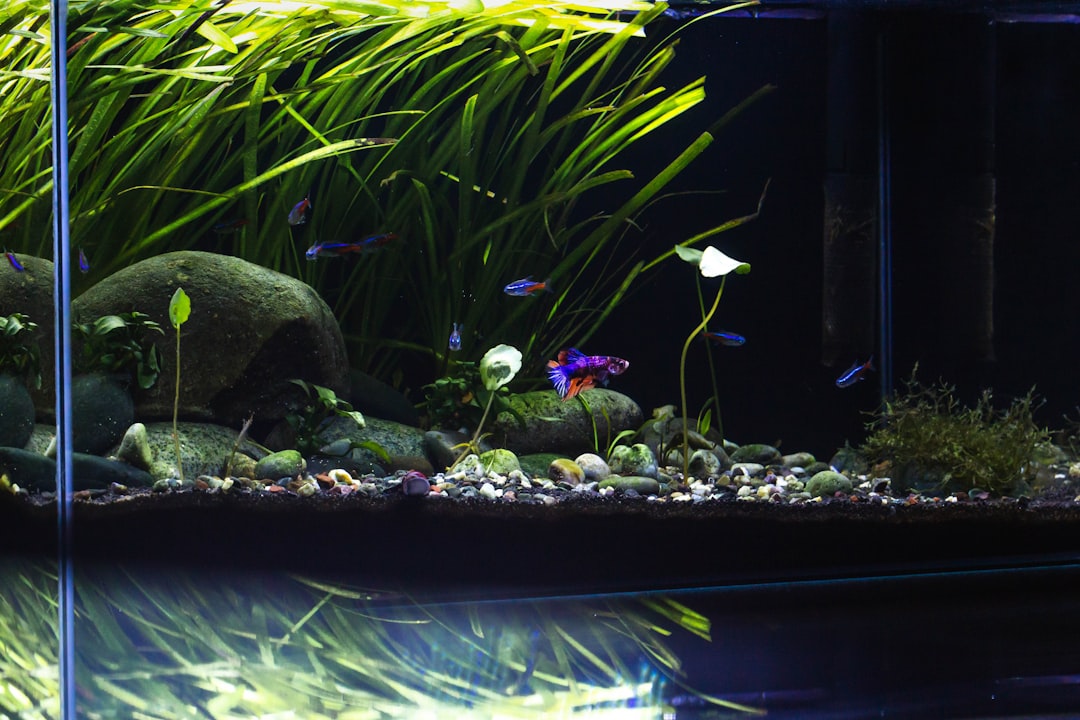
Rope fish (Erpetoichthys calabaricus) are the Houdinis of the freshwater hobby — eel-shaped, curious, and capable of squeezing through gaps you did not know existed. An aquascape for a rope fish tank must prioritise escape-proofing and shelter above all else, without sacrificing the visual appeal that makes the effort worthwhile. Gensou Aquascaping at 5 Everton Park, Singapore, has built several rope fish setups and learned the hard way that even a 2 cm gap in the lid means a dried-out fish on the floor by morning.
Escape-Proofing: The Non-Negotiable First Step
Before you touch a single plant or stone, seal every opening in the tank lid. Rope fish climb wet surfaces and exploit filter intake cutouts, cable pass-throughs, and even the gap between sliding glass covers. Use aquarium-safe foam or mesh to block every hole larger than 1 cm. If you run an open-top tank, a custom acrylic or mesh lid is mandatory — no exceptions. Weight it down or secure with clips, because a determined rope fish pushes surprisingly hard.
Tank Dimensions and Volume
Rope fish grow to 35-40 cm and are active swimmers at night. A 120 cm long tank with at least 150 litres is the practical minimum for a pair. Length matters more than height — these fish are bottom and mid-level dwellers that patrol horizontally. In Singapore HDB flats, a 120 x 45 x 45 cm tank on a proper steel stand weighs roughly 280 kg filled, which most reinforced concrete floors handle comfortably. Check with your town council if you plan to go larger.
Substrate for Comfort
Rope fish spend daylight hours resting on the substrate or wedged into crevices. Fine sand is ideal — smooth on their scaleless underbelly and easy to burrow into partially. Avoid sharp gravel or crushed coral, which can abrade their skin and invite bacterial infection. A sand depth of 4-5 cm allows them to half-bury themselves, which is natural resting behaviour, not a sign of stress.
Hardscape: Caves, Tunnels, and Tangles
Provide long, tube-like hiding spots that accommodate the full body length. PVC pipes (50-75 mm diameter) work functionally but look terrible — a better approach is building tunnels from stacked slate or arranging driftwood to form enclosed channels. Interconnected caves let the fish enter from one side and exit another, which they clearly enjoy. Aim for at least two shelters per rope fish. Malaysian driftwood with complex root structures creates natural tangles that rope fish weave through at night.
Plant Selection
Hardy, low-light plants tolerate the dim conditions rope fish prefer. Anubias species attached to driftwood, Java fern, and Bolbitis heudelotii are all robust enough to survive being slithered over nightly. Floating plants like Salvinia or Amazon frogbit reduce light penetration and give rope fish the confidence to emerge earlier in the evening. Avoid delicate carpet plants — they get uprooted by a 40 cm fish dragging across them.
Lighting and Photoperiod
Rope fish are strictly nocturnal. Bright lights drive them into hiding permanently, reducing your enjoyment and increasing their stress. Use subdued lighting — 20-30% intensity on a dimmable LED, or a single warm-toned bulb at 3,000K. A moonlight-blue LED strip that activates after the main lights go off lets you observe their fascinating nighttime behaviour: methodical exploration, surface breathing, and hunting by scent.
Feeding Considerations in the Scape
Rope fish hunt by smell, not sight, and are slow, deliberate feeders. Fast tankmates steal food before the rope fish even locates it. Feed after lights-out using sinking pellets, frozen bloodworms, or earthworm pieces dropped near their cave entrances. A turkey baster or feeding tube delivers food precisely. Design your aquascape so that at least one open sandy area exists near the shelters — this becomes the feeding station and makes cleanup easier.
Tankmates and Layout Harmony
Rope fish are peaceful but will eat anything that fits in their mouth — small tetras and shrimp are at risk. Suitable companions include medium-sized, calm species: Congo tetras, rainbowfish, peaceful cichlids like Pelvicachromis pulcher, and Synodontis catfish. Arrange the aquascape so fast swimmers occupy the upper and mid zones while the rope fish owns the bottom. This vertical zoning reduces competition and keeps everyone comfortable in your rope fish tank setup.
Related Reading



