
How to Aquascape for Bamboo Shrimp: Flow Corridors and Filter Perches
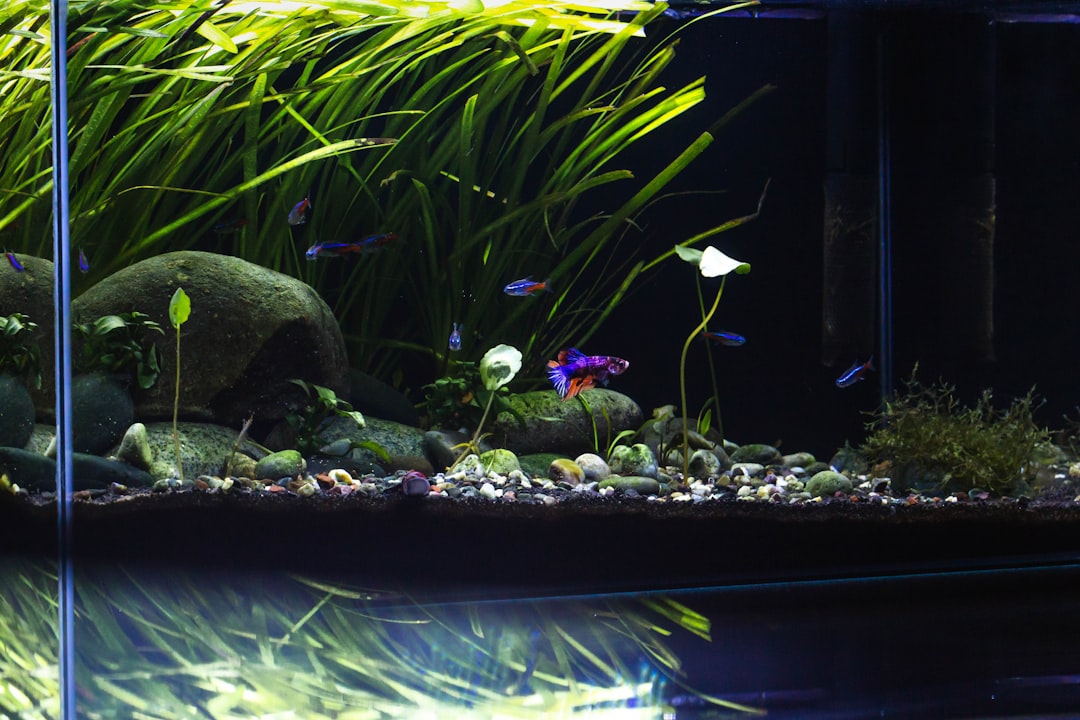
Bamboo shrimp (Atyopsis moluccensis) are filter feeders that perch in the current with their fan-like appendages spread wide, sieving microscopic food from the water column. A standard planted tank design often fails them because the flow is diffused and there are no elevated perching spots. A proper aquascape bamboo shrimp tank guide centres the entire layout around water movement and strategic positioning. At Gensou Aquascaping, 5 Everton Park, Singapore, we have designed several bamboo shrimp displays that keep these fascinating creatures feeding happily and visibly.
Understanding Bamboo Shrimp Behaviour
Unlike ornamental dwarf shrimp that graze biofilm from surfaces, bamboo shrimp are obligate filter feeders. They climb to the highest point in the current, extend their feathery chelipeds and trap suspended particles. If the flow is too weak or too dispersed, they starve even in a tank that appears well-fed. Healthy bamboo shrimp spend most of their time perched and fanning. If yours are scavenging the substrate, it usually indicates insufficient waterborne food or poor flow positioning.
Flow Design: The Core Principle
Create one or two strong, focused flow corridors rather than general circulation. Position the filter outlet or a powerhead at one end, directing a concentrated stream across the length of the tank. Avoid deflecting the current against the back glass, which scatters it. The goal is a laminar channel of moderate-to-strong flow at mid-to-upper tank height where the shrimp will perch. A 60-90 cm tank benefits from a flow rate of 8-10 times the tank volume per hour to generate adequate current without creating a whirlpool.
Hardscape: Building Perching Platforms
Tall pieces of driftwood, stacked rocks and even large Anubias rhizomes serve as elevated perches directly in the flow corridor. Position the tallest hardscape element roughly one-third of the way from the filter outlet, where current velocity is still high. Branch-style driftwood is ideal because the shrimp wrap their legs around narrow branches for stability. Aim for perch heights at 60-80% of the water column depth. Multiple perching options at different heights let you keep 3-5 shrimp without territorial squabbles over prime real estate.
Planting Strategy
Plants play a supporting role in this layout. Use Anubias barteri and Microsorum pteropus (Java fern) attached to the hardscape for structure without blocking flow. Avoid dense carpeting plants across the substrate, which trap detritus that should remain suspended for the shrimp to filter. Background plants like Vallisneria sway in the current and add visual movement. Along the tank sides, out of the main flow corridor, mosses like Taxiphyllum barbieri provide grazing surfaces for any dwarf shrimp tank mates.
Feeding Bamboo Shrimp
Powdered foods like Bacter AE, spirulina powder or crushed flake food are the primary diet. Mix a small pinch into a cup of tank water and pour it slowly upstream of the perching zone, letting the current carry the particles past the shrimp’s fans. Feed once or twice daily in small amounts. Overfeeding clouds the water and overloads the filter. You will know feeding is successful when the shrimp’s fans visibly close and open as they process each mouthful. In a mature, lightly stocked tank with biofilm-producing surfaces, bamboo shrimp supplement their diet naturally.
Water Parameters for Singapore Conditions
Atyopsis moluccensis is native to Southeast Asia and tolerates a wide parameter range: pH 6.5-7.8, GH 4-12, temperature 24-28 °C. Singapore tap water, once dechlorinated, falls comfortably within this range without modification. No heater is needed at our ambient 28-30 °C. Use a quality dechlorinator that neutralises chloramine specifically, since PUB water is chloramine-treated and bamboo shrimp are sensitive to residual disinfectants.
Tank Mates
Peaceful community fish work well alongside bamboo shrimp. Small rasboras, tetras and corydoras share the space without conflict. Avoid aggressive or nippy species like tiger barbs that may harass the shrimp during their vulnerable moult period. Neocaridina cherry shrimp make excellent companions, occupying different ecological niches and adding colour at the substrate level. Snails like nerites help manage algae on the hardscape perches, keeping them clean for the bamboo shrimp to grip.
Putting It All Together
A well-designed bamboo shrimp tank is as functional as it is beautiful. Watching three or four large shrimp lined up on a driftwood branch, fans outstretched in the current, is one of the most captivating sights in freshwater aquaria. Build the flow first, place the perches second, and let the plants fill in around the structure. Gensou Aquascaping recommends this setup for hobbyists looking for something different from the standard planted tank formula.
Related Reading



