
Neolamprologus Cylindricus Care Guide: Gold-Barred Tanganyikan
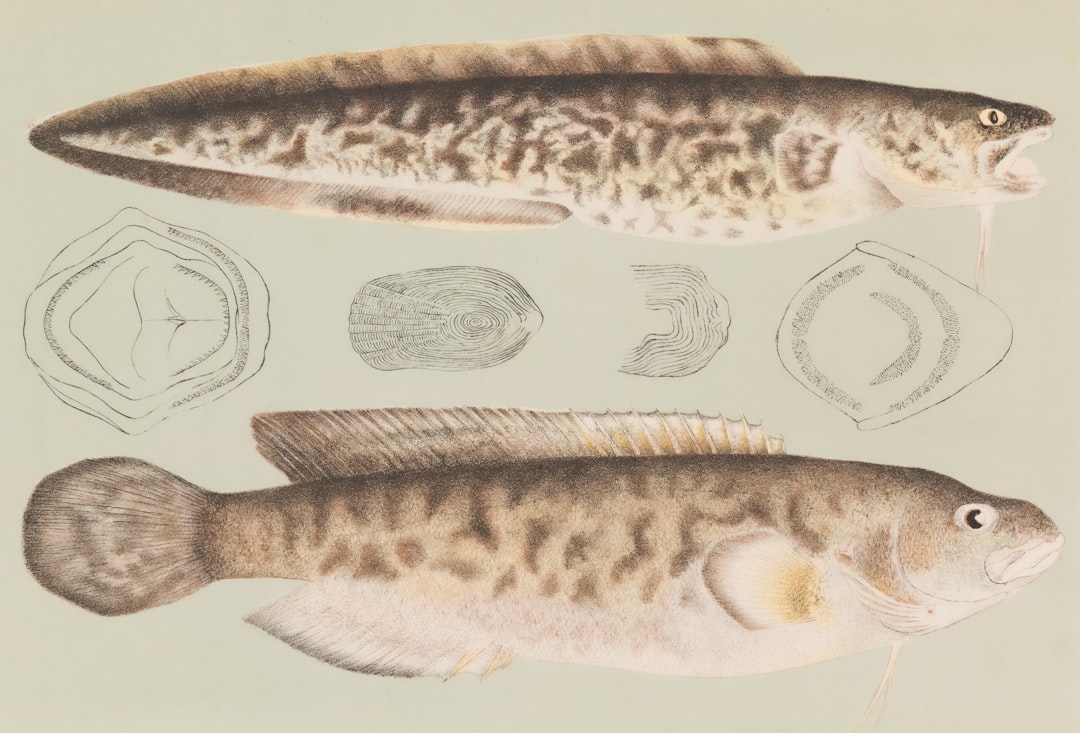
With bold black-and-gold vertical bars running the length of a torpedo-shaped body, Neolamprologus cylindricus is one of Lake Tanganyika’s most visually striking cichlids. This neolamprologus cylindricus care guide from Gensou Aquascaping at 5 Everton Park, Singapore, details the habitat, diet, and social strategies you need for success with this feisty Tanganyikan. Despite their modest 10 cm adult size, cylindricus pack an outsized personality that demands thoughtful tank planning.
Species Profile
Neolamprologus cylindricus inhabits the rocky littoral zone of southern Lake Tanganyika, where it occupies crevices among tumbled boulders. Males and females look similar, though males grow slightly larger — up to 11 cm versus 8-9 cm for females — and tend to develop marginally bolder barring with age. Their elongated, cylindrical body shape gives them their species name and allows them to dart into tight rock gaps that broader-bodied species cannot access.
Tank Requirements
A 200-litre aquarium is adequate for a single pair, while 300 litres or more suits a community Tanganyikan setup. Arrange rockwork to create distinct territories with clear visual barriers between them. Use inert rocks like ocean rock, lava rock, or smooth river stones — avoid anything calcium-rich that could push pH too high. Leave patches of fine sand between rock piles, as cylindricus occasionally dig shallow pits. In Singapore’s HDB context, position the tank on a ground floor or confirm upper-floor load capacity for anything above 200 litres.
Water Chemistry
Tanganyikan cichlids require hard, alkaline water with a pH of 7.8-9.0 and GH of 10-20. Singapore’s naturally soft tap water (GH 2-4) needs significant buffering. A substrate of crushed coral or aragonite sand handles this effectively, and adding a Tanganyika salt mix at each water change ensures stable mineral content. Temperature should stay between 24-27°C. Our warm ambient conditions mean a heater is rarely needed, but a thermometer is still essential for monitoring nighttime dips if your air conditioning runs cold.
Aggression Management
Cylindricus are territorial and can be surprisingly aggressive for their size. A bonded pair will defend their cave site vigorously against any intruder. Avoid keeping two males in anything under 400 litres unless sight lines are completely broken by rockwork. Compatible tankmates include Julidochromis species, Altolamprologus calvus, and shell-dwelling Neolamprologus that occupy different niches. Bottom-dwelling Synodontis petricola also coexist well, provided caves are plentiful.
Feeding and Nutrition
In nature, cylindricus prey on small invertebrates and insect larvae among the rocks. A high-quality cichlid pellet with 40-48% protein serves as the daily staple. Supplement with frozen mysis shrimp, brine shrimp, and occasional cyclops two to three times weekly. Unlike herbivorous mbuna, Tanganyikan rock-dwellers benefit from regular protein — but avoid overfeeding, which fouls the alkaline water rapidly. Two small feeds per day are better than one large one.
Breeding Behaviour
Cylindricus are cave spawners. The female deposits 50-100 adhesive eggs on the ceiling or walls of a chosen cave, and both parents guard the site. Eggs hatch in approximately three to four days, with fry becoming free-swimming around day seven. The female tends the fry closely while the male patrols the perimeter. Feed fry with freshly hatched baby brine shrimp or a quality powdered fry food. Survival rates are typically high when the pair is left undisturbed in a species-dedicated tank.
Common Health Issues
Maintaining pristine water quality is non-negotiable for Tanganyikans — they are less tolerant of dissolved waste than their Malawi counterparts. Keep ammonia and nitrite at zero, nitrate under 15 ppm, and perform 25-30% water changes weekly. Dechlorinate thoroughly, as PUB water contains chloramine. Watch for bloat and white spot disease, both of which respond better to prevention than treatment. Quarantine new arrivals for at least two weeks in a separate tank before adding them to an established colony.
Availability and Pricing
Neolamprologus cylindricus appears less frequently in Singapore shops than mainstream Malawi species, but dedicated Tanganyikan breeders sell them on Carousell and in Facebook aquarist groups. Expect to pay $12-$25 per fish depending on size and source. Patient keepers who invest in a quality pair will find that a well-set-up cylindricus tank — those striking gold bars flashing between dark rock — is among the most rewarding Tanganyikan displays you can build at home.
Related Reading



