
Guppy Selective Breeding Guide: Strains, Colour Lines and Genetics
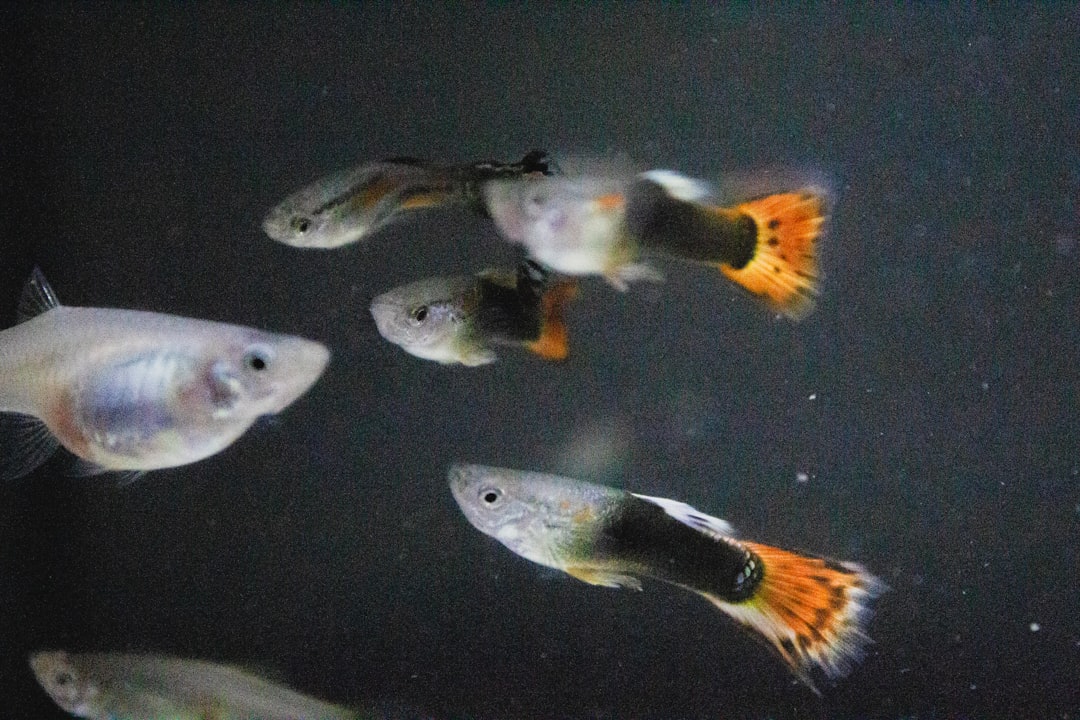
Selective breeding transforms ordinary guppies into living art — half-black AOCs, platinum mosaic tails, and albino full reds that look nothing like their pet-shop ancestors. This guppy selective breeding guide from Gensou Aquascaping at 5 Everton Park, Singapore, breaks down the genetics, line-breeding strategies, and practical steps needed to develop and maintain high-quality guppy strains. Whether you are refining an existing line or starting from scratch, understanding inheritance patterns is the foundation of progress.
Basic Guppy Genetics
Guppy colour and pattern are controlled by a complex mix of autosomal and sex-linked genes. Most ornamental traits — tail shape, dorsal form, body colour — are Y-linked (passed from father to son) or X-linked (passed from mother to son through her father). This is why experienced breeders track both male display and female lineage meticulously. Dominant genes like the Moscow gene express in a single copy, while recessive traits such as albinism require two copies to appear visually.
Choosing Your Foundation Stock
Start with the highest-quality pair or trio you can source. In Singapore, serious guppy breeders sell through Facebook groups, Carousell, and at occasional hobbyist meets. Expect to pay $15-$40 for a quality breeding pair depending on the strain. Look for fish with consistent colour saturation, symmetrical tails, and strong body shape. Avoid mixed-strain females — a female carrying genes from unknown males will produce unpredictable offspring that set your programme back by months.
Line Breeding Fundamentals
Line breeding involves mating related fish — father to daughter, son to mother, or sibling to sibling — to fix desirable traits. While this concentrates wanted genes, it also concentrates deleterious ones. Balance is critical. Maintain at least three separate lines from your original stock and cross between them every four to five generations to restore hybrid vigour. Keep detailed records: date of birth, parents, physical traits, and any health issues. A simple spreadsheet saves you from guesswork.
Setting Up a Breeding Room
Serious selective breeding requires multiple tanks. A minimum setup includes a male grow-out tank, a female grow-out tank, a breeding tank, and a fry-raising tank. Small 20-30 litre tanks work well for guppies. Sponge filters are ideal — gentle flow, biological filtration, and no risk of fry being sucked in. Singapore’s warm room temperature of 28-30°C suits guppies perfectly, eliminating the need for heaters. Perform 30-40% water changes twice weekly to maintain growth rates.
Spawning and Fry Management
Guppies are livebearers, producing 20-80 fry per drop depending on the female’s size and age. Gestation lasts approximately 28 days. Move gravid females to a separate birthing tank with dense plant cover — Java moss and floating guppy grass provide excellent fry shelter. Remove the female after she drops to prevent her from eating the fry. Feed newborns crushed flake, baby brine shrimp, and microworms from day one. Frequent small meals — four to five times daily — accelerate growth significantly.
Culling and Selection
This is the step many hobbyists find difficult but cannot skip. By four to six weeks, males begin showing colour. Evaluate each batch ruthlessly against your target standard. Fish that do not meet your criteria — poor colour, bent spines, uneven tails — should be separated. You can rehome culls as pet-quality guppies rather than destroying them. Keeping only the top 20-30% of each generation for breeding is what drives genetic improvement over time.
Common Strains and Their Challenges
Half-black (HB) strains require consistent melanophore coverage on the rear body — achieving even black without bleeding into the tail takes generations. Moscow strains breed relatively true but tend to lose body size over successive inbred generations. Albino variants show stunning colour but have weaker immune systems and shorter lifespans. Metallic and platinum strains carry the Mg gene, which intensifies iridescence but can cause wasting disease (known as “guppy plague”) if both copies are present.
Record-Keeping and Long-Term Success
The difference between a casual breeder and a successful one is documentation. Track every cross, note which pairings produced the strongest offspring, and photograph fish at consistent angles under the same lighting for fair comparison. After six to eight generations of disciplined selection, your line will look markedly different from where you started. Competitive guppy shows in the region — including IFGA-affiliated events — offer benchmarks and community feedback that sharpen your eye and refine your guppy selective breeding programme further.
Related Reading
- Endler-Guppy Selective Breeding Guide: Hybrid Strains and Purity
- Fire Red Cherry Shrimp Selective Breeding: From Sakura to Painted
- Amano Shrimp Breeding Challenges: Larval Stages and Saltwater Phase
- Endler Guppy Hybrid Colour Strains: Tiger, Cobra and Santa Maria
- Galaxy Pinto Shrimp Breeding Guide: Caridina Hybrid Patterns



