
Flash Pleco Care Guide: L204 Emperor Pleco Pattern
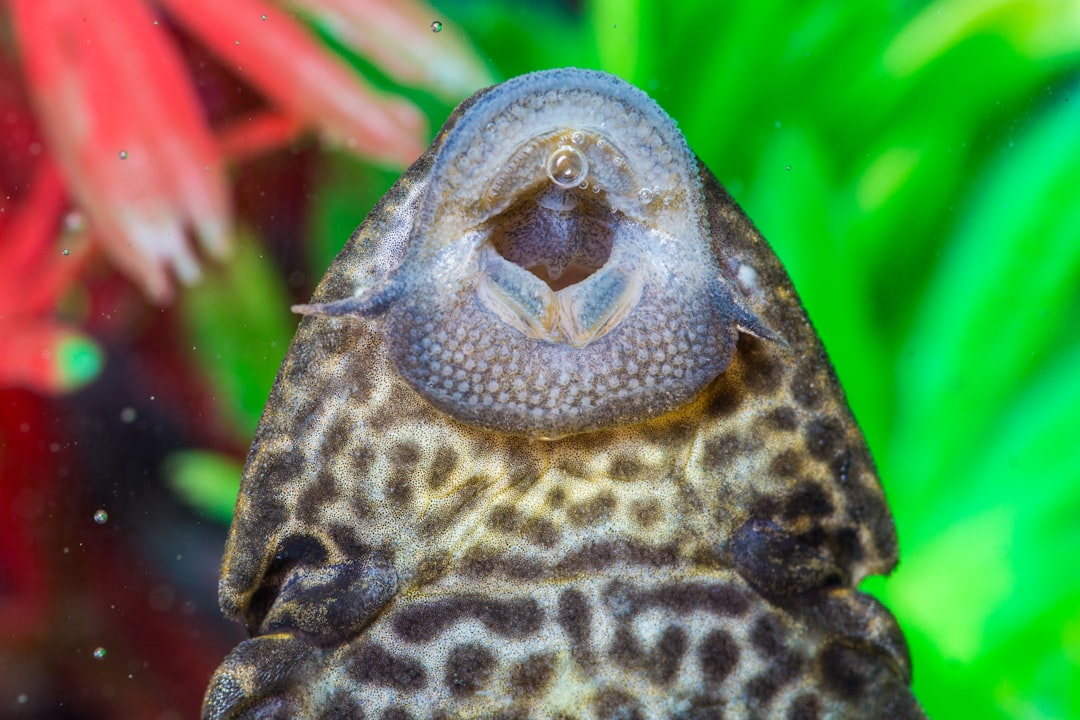
The Flash Pleco, designated L204 in the L-number system, captivates keepers with its bold pattern of bright white or yellow stripes radiating across a jet-black body. This flash pleco care guide from Gensou Aquascaping at 5 Everton Park, Singapore, covers everything from water parameters to cave breeding for this striking South American catfish. Often confused with the closely related L046 Zebra Pleco, the Flash Pleco is considerably easier to keep and far more affordable.
Species Background
Panaqolus albivermis, commonly sold as the Flash Pleco or L204 Emperor Pleco, originates from the Rio Madre de Dios drainage in Peru. Adults reach 10-13 cm — a manageable size for medium aquariums. Their striking pattern varies between individuals, with some displaying thick, well-defined stripes and others showing thinner, more maze-like lines. This variation makes collecting multiple specimens to compare patterns part of the appeal. Both sexes look similar, though mature males develop more prominent odontodal growth on the cheeks and pectoral fin spines.
Tank Setup
A 120-litre aquarium comfortably houses a small group of three to four Flash Plecos. Provide plenty of driftwood — this is a wood-eating species that requires wood fibre as part of its diet. Malaysian driftwood, spider wood, and mopani wood all work. Arrange caves using ceramic pleco caves (25-30 mm diameter for adults) or stacked slate. Each pleco needs its own hiding spot to reduce territorial disputes. A sandy or fine gravel substrate protects their delicate ventral surfaces.
Water Parameters
Flash Plecos thrive in soft, slightly acidic to neutral water — pH 6.2-7.2 and GH 3-10. Singapore’s PUB tap water, once dechlorinated, falls naturally into this range at GH 2-4, making it nearly perfect without adjustment. Temperature should sit between 25-29°C, which aligns well with our ambient room conditions. Strong oxygenation is important — use a spray bar, powerhead, or airstone to maintain dissolved oxygen levels above 6 ppm. These fish come from well-oxygenated river habitats and will stress in stagnant water.
Feeding and Wood Consumption
Unlike common plecos that are primarily algae grazers, Flash Plecos are xylivores — they rasp and consume wood fibre as a digestive aid. Always keep driftwood in the tank; without it, digestive issues arise. Beyond wood, offer sinking catfish wafers, blanched courgette, cucumber, and sweet potato. Frozen bloodworms and brine shrimp once or twice a week provide protein variety. Feed after lights-out, as L204s are nocturnal and rarely emerge during the day.
Behaviour and Tankmates
Flash Plecos are generally peaceful but become territorial with their own kind around cave entrances. Males in particular will guard a preferred cave aggressively. Keep the cave-to-pleco ratio at two-to-one minimum to prevent conflict. Suitable tankmates include tetras, rasboras, corydoras, and smaller cichlids like rams or apistos. Avoid large, boisterous species that may outcompete them for food or disturb their hiding spots during the day.
Breeding L204
Breeding Flash Plecos follows the typical cave-spawning loricariid pattern. The male claims a cave, entices a ripe female inside, and then guards the eggs after she deposits them on the cave ceiling. Clutch sizes range from 15-30 eggs. The male fans the eggs with his pectoral fins for approximately seven to ten days until they hatch. Fry emerge with a large yolk sac and begin feeding on biofilm and crushed wafers within a few days. Raising fry in the parents’ tank works if the community is peaceful; otherwise, gently extract the cave to a separate rearing tank.
Health and Maintenance
Plecos are sensitive to deteriorating water quality — elevated nitrates above 30 ppm often trigger bacterial infections or fin erosion. Weekly 25-30% water changes are essential. Treat incoming PUB water with a chloramine-neutralising conditioner. Watch for white spot (ich), which sometimes appears after temperature drops from overnight air conditioning. A stable temperature and clean water are the foundations of flash pleco health. Quarantine all new specimens for two weeks in a separate tank before adding them to your main display.
Sourcing in Singapore
L204 Flash Plecos appear regularly at aquarium shops around Serangoon North Avenue 1 and through Shopee or Carousell sellers who import from South American suppliers. Juveniles typically cost $20-$35, while proven breeding adults may reach $50-$80. Compared to the prohibitively expensive L046 Zebra Pleco, the Flash Pleco offers a similar visual impact at a fraction of the cost — making it an excellent entry point into the world of L-number collecting.
Related Reading



