
Amano Shrimp Breeding Challenges: Larval Stages and Saltwater Phase
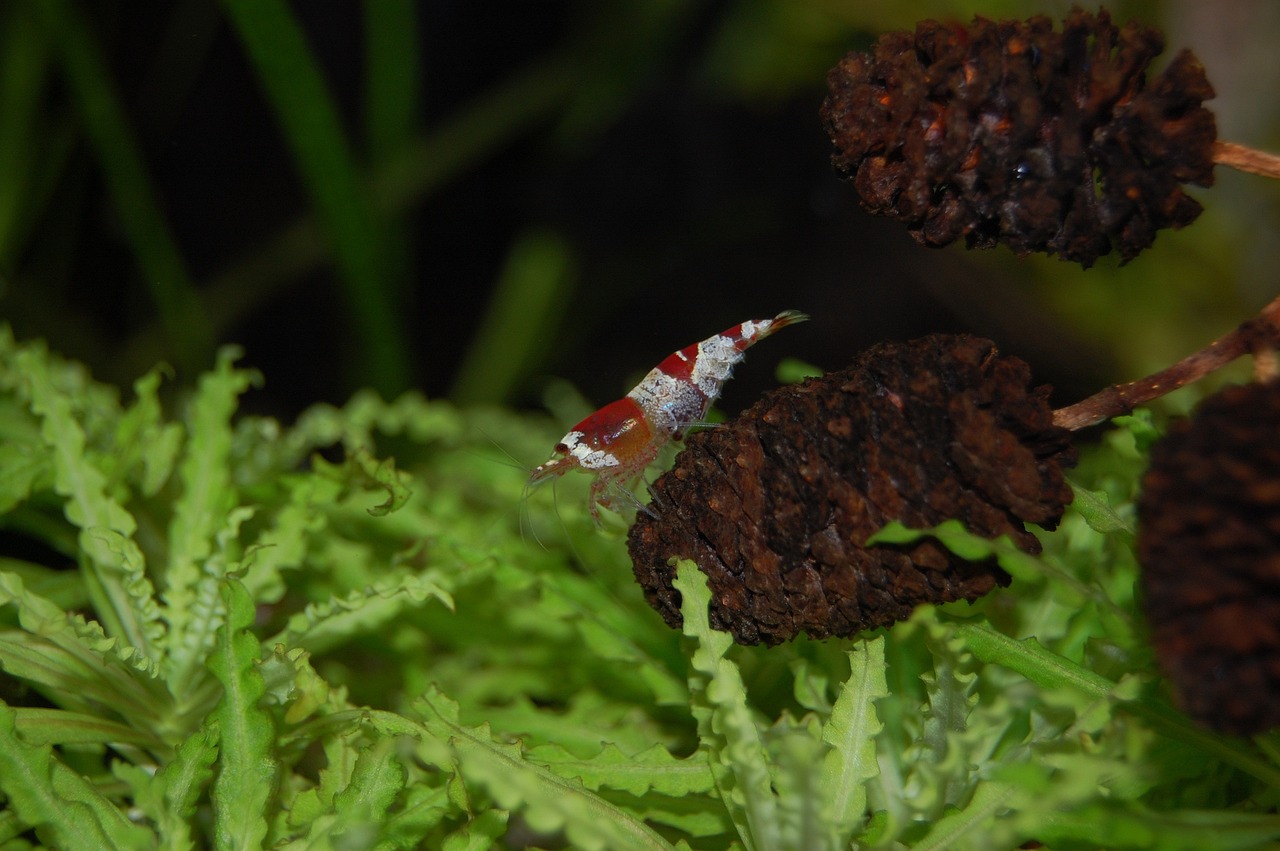
Amano shrimp are among the most useful animals in the planted tank hobby, but breeding them is a genuine challenge — one that has defeated many experienced shrimp keepers who succeed easily with Neocaridina species. The reason is biological: Caridina multidentata has a larval lifecycle that requires saltwater to complete, a requirement that evolved because natural populations spawn in freshwater streams whose larvae drift into estuarine zones to develop. This guide from Gensou Aquascaping at 5 Everton Park addresses the Amano shrimp breeding challenges head-on, with a practical system for getting larvae through the saltwater phase and back to freshwater as juvenile shrimp.
Why Amano Shrimp Are So Difficult to Breed
Most freshwater shrimp lay eggs that hatch directly as miniature juveniles capable of surviving in the same water as their parents. Amano shrimp are fundamentally different. Their eggs hatch as tiny, 1 mm zoea larvae that require brackish to marine salinity (30–35 ppt) to survive and develop. In a freshwater aquarium, these larvae die within hours of hatching — which is why accounts of “Amano shrimp eggs” in community tanks almost never progress to surviving offspring.
Identifying Gravid Females
Female Amano shrimp are larger than males — typically 4–5 cm compared to the male’s 3–4 cm — and develop a distinctive saddle of eggs visible beneath the dorsal surface before breeding. When the eggs move from the saddle to under the tail (where the female fans them), spawning is imminent. Eggs are tiny and pale green, often mistaken for debris by inexperienced observers.
A well-conditioned female in a stable, mature planted tank will carry eggs regularly. Feed adults a high-quality varied diet including blanched vegetables, spirulina-based foods, and occasional protein-rich frozen foods to maintain conditioning.
Setting Up the Saltwater Larval Tank
Prepare a separate 10–20 litre larval rearing tank before the female’s eggs hatch. Use marine-grade salt (not aquarium table salt) mixed to a specific gravity of 1.024–1.026, equivalent to approximately 32–35 ppt salinity. An RO water base produces more consistent results than tap water. Maintain temperature at 26–28°C and run a very gentle airstone — larvae are fragile and strong water movement kills them.
Keep the tank dark or dimly lit except at feeding time. Amano larvae are phototactic — they move toward light — so a small torch or LED used briefly can concentrate larvae for observation and counting. Good results from the larval phase require attention to water quality: small daily water changes of 10–15% using temperature- and salinity-matched replacement water prevent organic waste accumulation.
Transferring Larvae to the Saltwater Tank
When hatching is imminent — identifiable by larvae becoming visible within the eggs under magnification — move the gravid female to the saltwater tank in a small container of her freshwater, then allow her to complete hatching there. Once hatching is complete, return the female to the freshwater tank and let the larvae disperse into the saltwater setup.
Alternatively, collect larvae with a pipette from the freshwater tank immediately after hatching — they live for only a few hours in freshwater — and transfer them quickly to the saltwater system. Speed is essential at this stage.
Feeding Larvae Through Development
Amano shrimp larvae are filter feeders in their early stages. The most reliable larval food is phytoplankton — specifically Nannochloropsis or Tetraselmis algae cultures, available from marine aquaculture suppliers. Feed small amounts twice daily, keeping the water a very light green colour. Rotifers can be introduced from day five onward as the larvae grow.
Larval development passes through multiple zoeal stages over 30–45 days before the larvae metamorphose into post-larvae — tiny, juvenile-shaped shrimp around 3–4 mm in length. This is the most challenging period; mortality of 70–90% is common even in well-managed systems. A starting population of several hundred larvae is needed to yield a reasonable number of juveniles.
Transitioning Juveniles to Freshwater
Once post-larvae are visible — they look like tiny Amano shrimp and have switched from filter-feeding to grazing behaviour — begin transitioning them to freshwater over five to seven days. Add small amounts of aged freshwater to the saltwater tank daily while removing an equivalent volume of saltwater. This gradual change prevents osmotic shock. When salinity reaches approximately 5 ppt, the juveniles can be transferred to a freshwater grow-out tank.
Grow-out in a well-planted 10–15 litre tank with gentle filtration and daily feeding allows juveniles to reach 1.5–2 cm in about eight weeks. At this size they are robust enough for a community tank. Successfully breeding Amano shrimp through to this point is one of the more satisfying achievements in advanced shrimp keeping. Gensou Aquascaping at 5 Everton Park carries Amano shrimp stock and can advise on sourcing phytoplankton cultures and marine salt for the larval phase.
Related Reading
- How to Breed Amano Shrimp: The Challenging but Rewarding Process
- Amano Shrimp vs Cherry Shrimp: Which Is Better for Your Tank?
- Amano Shrimp vs Otocinclus: Which Algae Crew Wins?
- Cherry Shrimp vs Amano Shrimp: Which Cleaner Suits Your Tank?
- Fire Red Cherry Shrimp Selective Breeding: From Sakura to Painted



