
How to Aquascape for Stiphodon Gobies: Rocks, Flow and Algae
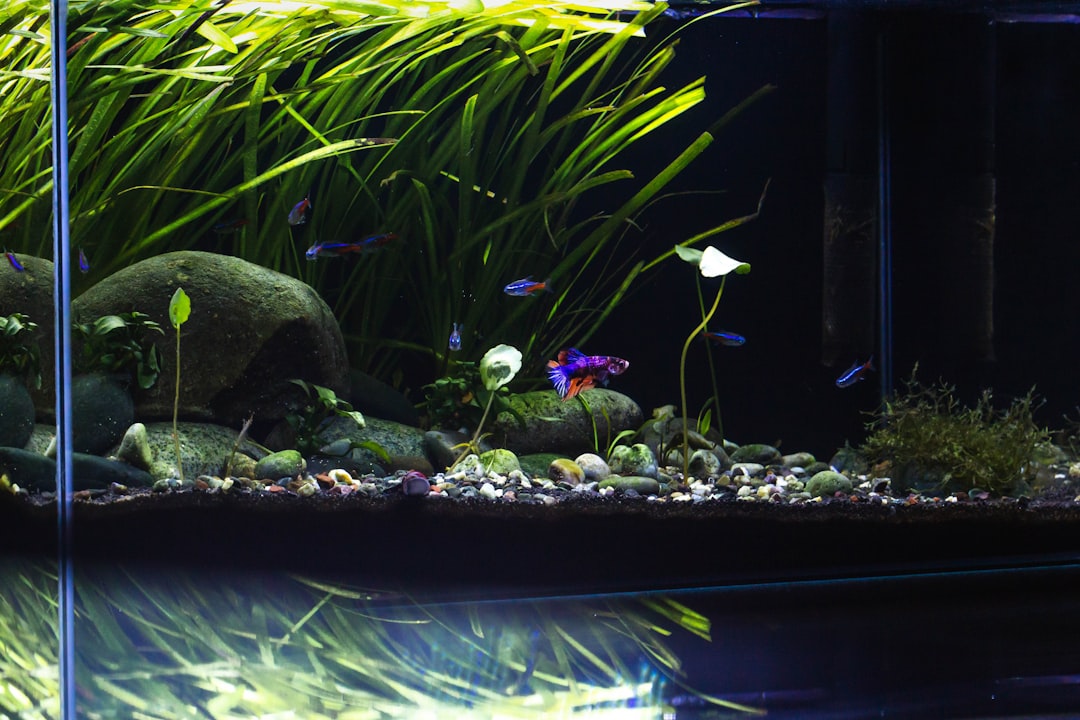
Stiphodon gobies are among the most captivating freshwater fish available in the hobby, small, brilliantly coloured and endlessly busy grazing biofilm from rock surfaces. Yet they fail in typical planted tanks because their needs are so specific. A proper aquascape for a Stiphodon goby tank prioritises strong current, smooth stones covered in algae biofilm and cool, oxygen-rich water. At Gensou Aquascaping in Singapore, we have built dedicated hillstream setups for these gobies over more than 20 years, and getting the aquascape right is the difference between thriving fish and stressed ones.
Understanding Stiphodon Habitat
Stiphodon species originate from fast-flowing streams and rivers across Southeast Asia, Japan and Oceania. Stiphodon ornatus, S. atropurpureus and S. semoni are the species most commonly seen in Singapore shops. In the wild, they cling to rocks in rapids, grazing diatoms and green biofilm. The water is cool (22-26°C), highly oxygenated and virtually free of organic waste.
Replicating this environment in a glass box requires rethinking typical aquascaping priorities. Lush plant forests and driftwood tangles give way to open rockwork and powerful water movement.
Rock Selection and Arrangement
Smooth river stones are the foundation. Gobies graze by pressing their mouths flat against surfaces, so rough or jagged rock discourages feeding and can injure their delicate lips. Source smooth, rounded cobbles in sizes ranging from 5 to 15 cm. Stack them loosely to create natural gaps and crevices where gobies shelter at night.
Arrange rocks in a downstream pattern, with larger stones upstream near the filter outlet and smaller pebbles trailing off toward the front. This mimics a natural stream bed and looks more convincing than a random pile. Leave patches of open sand between the rock clusters for visual breathing room.
Generating Strong, Oxygenated Flow
Flow is non-negotiable. A wavemaker or powerhead pushing 15-20 times the tank volume per hour creates the current Stiphodon gobies need. For a 60-litre tank, aim for a combined turnover of 900-1,200 L/h. Point the flow along the length of the tank to create a unidirectional current rather than turbulent eddies.
Surface agitation matters as much as current strength. Stiphodon gobies need dissolved oxygen above 7 mg/L. Break the water surface vigorously with the filter outlet or an air stone. In Singapore’s warm conditions, dissolved oxygen drops as temperature rises, making surface agitation even more critical during hot afternoons.
Encouraging Biofilm Growth
Biofilm is the primary food source. Under moderate lighting (6,500-7,000 K, 8-10 hours), a thin green and brown biofilm develops naturally on rock surfaces within two to four weeks of cycling. Do not scrub the rocks during maintenance. Clean only the viewing glass and leave all other surfaces for the gobies to graze.
Supplement with blanched courgette or spirulina wafers if the biofilm is thin, particularly in newly set up tanks. Once established, a healthy biofilm in a well-lit tank usually sustains four to six gobies in a 60-litre setup without supplemental feeding.
Temperature Management in Singapore
Most Stiphodon species prefer 22-26°C, which is below typical Singapore room temperature. A clip-on fan blowing across the water surface can drop the temperature by 2-4°C through evaporative cooling. For a more reliable solution, a small chiller unit keeps the tank stable at 24°C regardless of ambient heat. Budget $150-$300 for a chiller suitable for tanks up to 100 litres. High evaporation rates from fan cooling mean you will need an ATO system to maintain water levels.
Plants and Tankmates
Limit plants to species that tolerate high flow. Anubias barteri var. nana tied to rocks, Microsorum pteropus (Java fern) and Bucephalandra attached to stones all handle current well. Avoid fine-leaved stems that get battered in strong flow. Keep planting sparse so that rock surfaces remain exposed for grazing.
Compatible tankmates include hillstream loaches (Sewellia lineolata), white cloud mountain minnows and small danios that enjoy current. Avoid aggressive or territorial species that compete for rock surfaces. Shrimp coexist well but may compete for the same biofilm in small tanks.
Maintenance for a Stiphodon Tank
Perform 30-40% water changes weekly with dechlorinated water cooled to tank temperature. Siphon detritus from between the rocks but never scrub the biofilm. Test for ammonia and nitrite regularly because the strong flow and cool temperature support a smaller bacterial colony than warm, slow setups. A well-designed Stiphodon goby aquascape rewards you with some of the most natural fish behaviour you will ever see in a home aquarium.
Related Reading



