
Stiphodon Goby Species Compared: Semoni, Ornatus and Atropurpureus
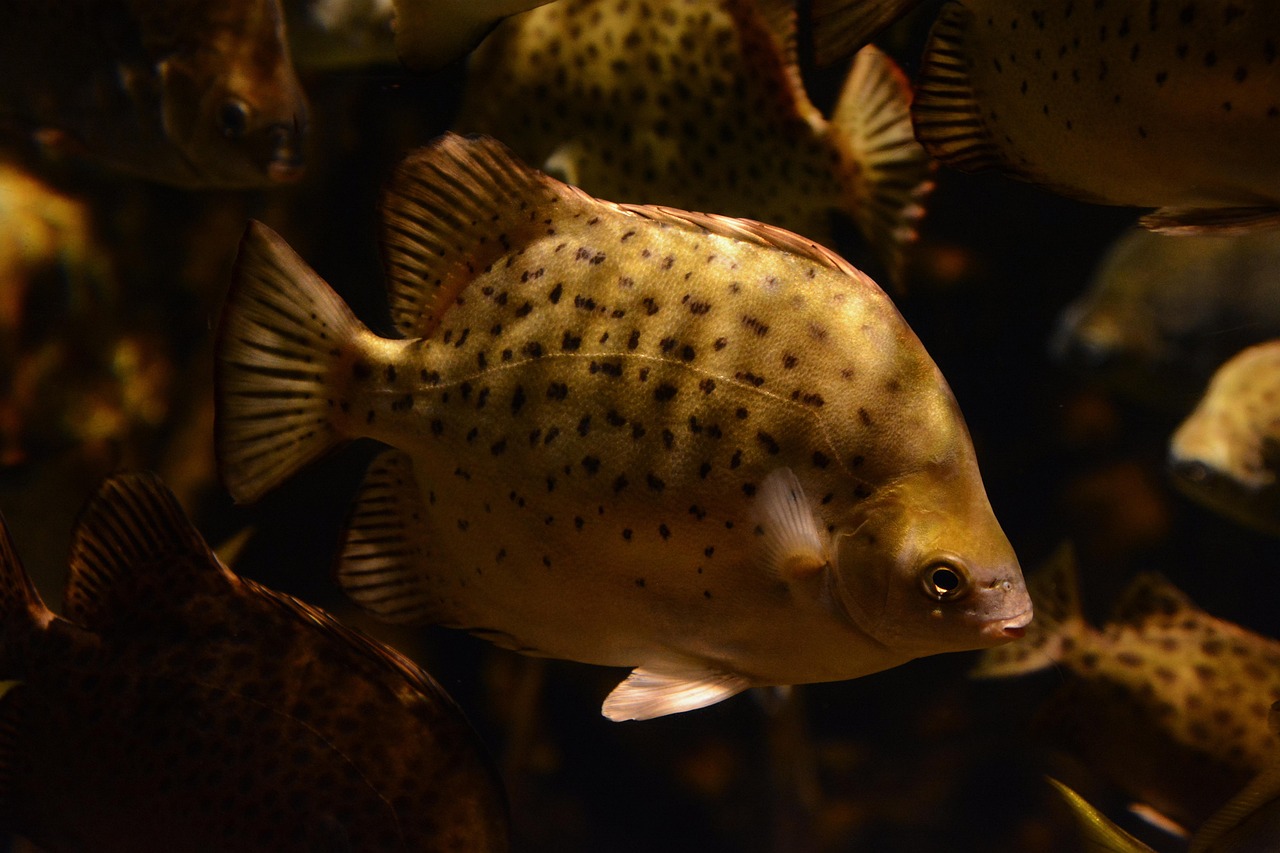
The genus Stiphodon contains some of the most visually striking gobies available to freshwater aquarists, yet many hobbyists are unaware that there are meaningful differences between the species they might encounter in a Singapore fish shop. This Stiphodon goby species comparison guide from Gensou Aquascaping at 5 Everton Park focuses on three species most likely to appear in the local trade: S. semoni, S. ornatus, and S. atropurpureus. Understanding these differences helps you choose the right fish and keep it successfully.
What Stiphodon Gobies Have in Common
All Stiphodon species share key traits: they are diadromous (larvae develop in the sea before returning to freshwater streams), they use a modified mouth to graze algae and biofilm from hard surfaces, and they need well-oxygenated, fast-flowing water to thrive in captivity. In Singapore, a powerhead or wavemaker is essential. Temperature should be kept at 24–26°C — a fan or chiller may be needed depending on your room conditions. They do not compete well with boisterous tank mates and should be kept with other peaceful, fast-water species.
Stiphodon semoni: The Neon Goby
Stiphodon semoni is the most widely distributed species and the one most commonly mislabelled as a “neon goby” in the trade. Males display a vivid electric-blue horizontal stripe along the mid-body against a tan background, which brightens dramatically when displaying to rivals or females. They reach around 5 cm. Their distribution spans from Indonesia to Pacific island streams, and they adapt relatively well to captivity, tolerating a pH range of 6.8–7.5. This is generally the most available of the three in Singapore’s fish shops.
Stiphodon ornatus: The Ornate Goby
Stiphodon ornatus is arguably the most spectacular of the three, with males carrying bold orange and blue banding on the body and ornate patterning on the dorsal fins. They originate from Sulawesi and nearby Indonesian islands. At 4–5 cm, they are similar in size to S. semoni but considerably rarer in the trade — when they do appear in Singapore, prices reflect that scarcity at $25–$50 per male. Care requirements are essentially the same, though some keepers report them as slightly more sensitive to poor water quality. Pristine, well-oxygenated water is non-negotiable.
Stiphodon atropurpureus: The Purple Goby
Stiphodon atropurpureus takes its common name from the deep blue-purple colouration adult males develop — the most subdued palette of the three but striking in the right lighting. They originate from the Philippines and are occasionally imported into Singapore, usually via specialist marine or nano fish importers. Females of all three species are cryptic brown, making it easy to underestimate what you are buying — always inspect males under good light before purchasing.
Feeding: The Critical Difference in Captive Care
All three species are obligate aufwuchs grazers — they eat biofilm, microalgae, and diatoms scraped from rocks and glass. A tank with established green or brown algae growth is far better than a spotlessly clean one. Supplement with algae wafers, blanched courgette, and spirulina-based foods sunk to the bottom. Live brine shrimp or daphnia are accepted occasionally but are not a substitute for plant-based foods. A colony of copepods in the substrate benefits them further. Without adequate algae, all three species decline quickly.
Tank Setup for All Three Species
A 60-litre tank with smooth river pebbles and flat stones, strong current from a powerhead, and minimal substrate depth suits all three. Avoid sand-dwelling tank mates that stir fine particles — Stiphodon gobies need clear, well-oxygenated water. Java fern or Anubias anchored to rocks adds cover without blocking flow. Avoid rooted plants in deep substrate; this goes against the hill-stream biotope these gobies require.
Which Species to Choose?
For a first Stiphodon tank, S. semoni is the practical choice — most available, most studied, and most forgiving of minor husbandry lapses. If you already keep hill-stream gobies and want a centrepiece species, hunt down a male S. ornatus; the colour display when males spar is genuinely extraordinary. S. atropurpureus sits between the two: moderately available, beautiful under cool white or blue-spectrum lighting, and rewarding for keepers who appreciate subtlety. All three are compatible in the same tank, but introduce only one male per species — inter-species aggression between males is common.
Related Reading
- Stiphodon Goby Feeding Guide: Algae Grazers and Biofilm Diet
- Boraras Species Guide: 5 Micro Rasboras Compared
- Bumblebee Goby Care Guide: The Bold Little Brackish Fish
- Hillstream Loach Species Comparison: Sewellia, Beaufortia and Gastromyzon
- Nerite Snail Species Comparison: Zebra, Tiger, Horned and Olive



