How to Aquascape a Taiwan Bee Shrimp Display Tank
Taiwan Bee shrimp, the dazzling hybrids that include Crystal Red, Crystal Black, Shadow Panda and King Kong varieties, are among the most prized invertebrates in the freshwater hobby. Their vivid colour patterns deserve an aquascape that shows them off rather than hides them. Designing an aquascape for a Taiwan Bee shrimp display means balancing visual impact with the stable, pristine water conditions these sensitive shrimp demand. Gensou Aquascaping in Singapore has set up shrimp display tanks for hobbyists and breeders across the island over more than 20 years, and the interplay between layout and water chemistry is where success or failure begins.
Water Parameters Come First
Taiwan Bee shrimp require soft, acidic water with extremely stable parameters. Target pH 5.8-6.5, GH 4-6, KH 0-1 and TDS 100-140. Temperature should stay between 22-25°C. In Singapore, this means a chiller or fan is essential. Ambient room temperatures of 28-32°C are too warm and will stress the shrimp, reduce breeding success and increase mortality.
Use RO/DI water remineralised with a shrimp-specific product like SaltyShrimp GH+ to achieve consistent parameters. Singapore’s PUB tap water, even dechlorinated, has variable TDS and chloramine levels that make it unreliable for these sensitive invertebrates.
Substrate Selection
Active buffering substrate is non-negotiable. ADA Amazonia Ver. 2, Tropica Soil and SL-Aqua Nature Soil all buffer pH downward and maintain the acidic conditions Taiwan Bee shrimp need. Fill the tank with 3-5 cm of active soil. Avoid inert sands or gravel as the primary substrate because they offer no pH buffering.
Active soils release ammonia during the first two to four weeks. Cycle the tank fully before adding shrimp. In Singapore’s warm conditions, cycling completes faster, typically within three weeks, but always verify with test kits showing zero ammonia and zero nitrite before stocking.
Hardscape for Display Impact
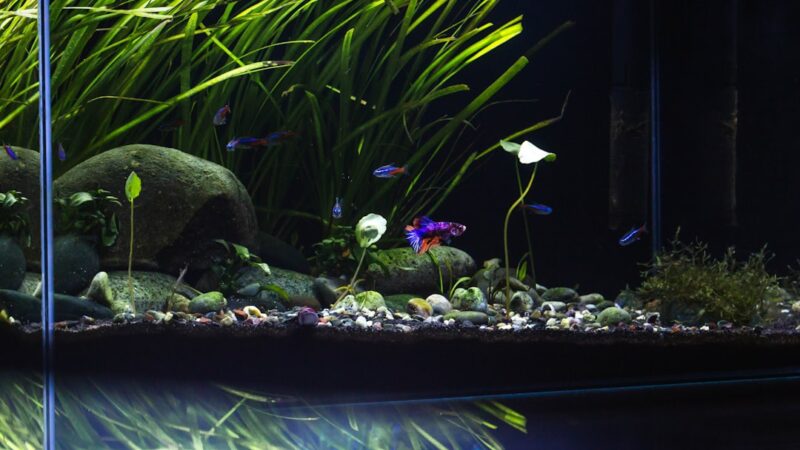
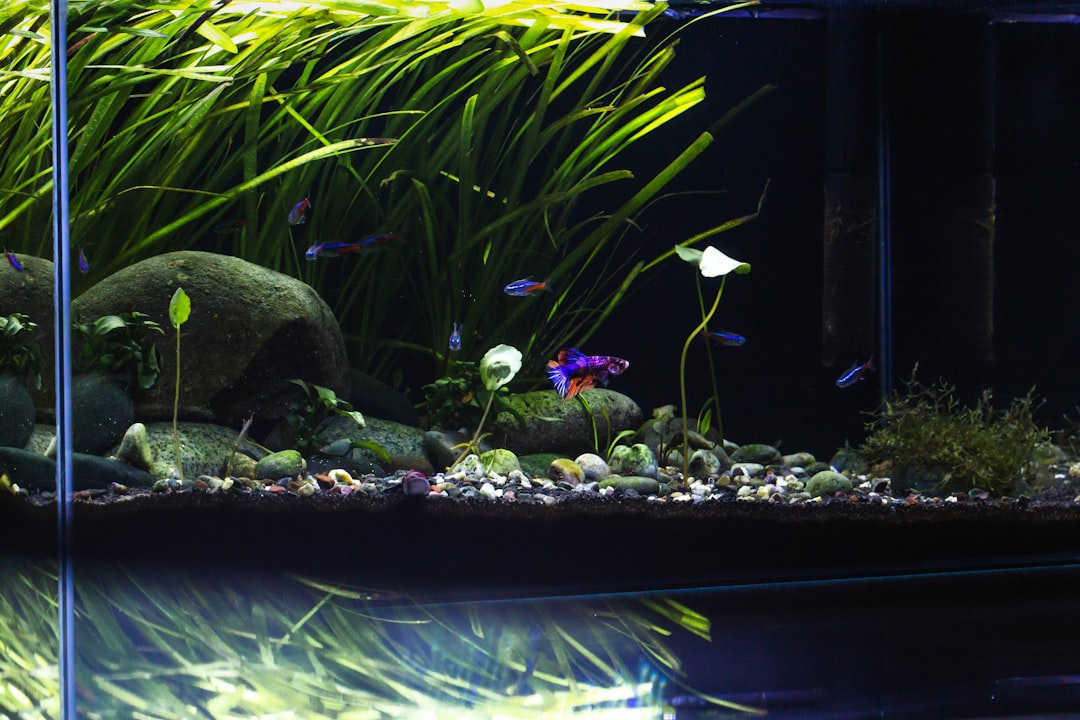
Dark hardscape makes white and red shrimp pop visually. Seiryu stone provides blue-grey tones that contrast beautifully with Crystal Red and King Kong patterns. However, seiryu stone raises KH and pH over time. If you use it, monitor KH weekly and increase water change frequency if buffering starts to shift. Dragon stone is a safer alternative that does not affect water chemistry.
Driftwood releases tannins that gently lower pH, complementing the active soil. Small pieces of cholla wood double as grazing surfaces. Shrimp love picking at the biofilm that colonises cholla’s porous texture.
Plant Choices for Shrimp Display
Keep planting moderate to leave open substrate visible for viewing the shrimp. A carpet of Eleocharis acicularis mini or Marsilea crenata across part of the foreground gives a lush base without covering everything. Attach Bucephalandra and Anubias nana petite to stones for dark green accents that frame the shrimp without overwhelming the tank.
Java moss (Taxiphyllum barbieri) is essential in any shrimp tank. Tie it to driftwood or let it grow in loose clumps. Shrimplets hide in the moss during their vulnerable first weeks, dramatically improving survival rates. Riccardia chamedryfolia (mini coral moss) adds fine texture to hardscape surfaces and serves the same sheltering function.
Lighting for Colour Vibrancy
Moderate lighting at 6,500-7,000 K brings out the true colours of Taiwan Bee shrimp without promoting excessive algae. A thin-profile LED like the Chihiros WRGB Slim or Twinstar S series suits nano shrimp tanks from 30-60 cm. Avoid very intense lighting that drives algae on the active soil surface. Run lights for 7-8 hours daily.
Filtration and Flow
Sponge filters are the safest choice because they cannot trap shrimplets. A double-sponge filter rated for the tank volume provides biological filtration and gentle water movement. If you prefer a hang-on-back or canister filter, cover the intake with a fine stainless steel mesh guard. Flow should be gentle. Taiwan Bee shrimp are not strong swimmers and spend most of their time grazing on surfaces, not fighting current.
Display Layout Strategy
Position the most visually striking hardscape in the front two-thirds of the tank where the shrimp naturally graze in view. Leave the rear corners densely planted with moss as breeding refuges. A feeding dish placed on the substrate in the open foreground concentrates the shrimp for viewing during feeding time. Powdered shrimp food like Bacter AE spread thinly across the dish brings the entire colony out into the open within minutes.
A thoughtfully designed Taiwan Bee shrimp display aquascape balances the aesthetic demands of a show tank with the exacting water quality these shrimp require. Get the chemistry right, keep the layout clean and open, and you will have a tank that stops visitors in their tracks.
Related Reading