How to Aquascape an Angelfish Display Tank: Tall Plants and Verticals
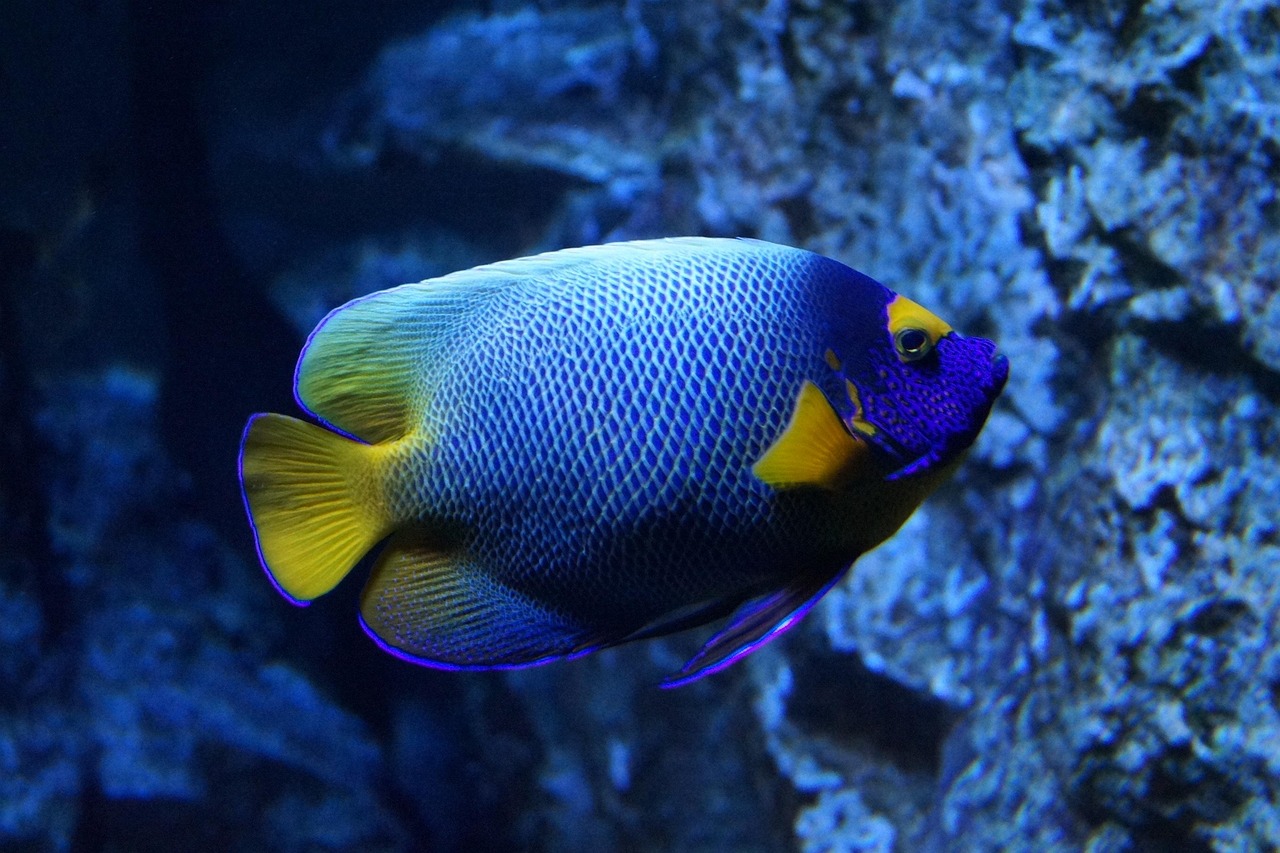
Angelfish are among the most elegant cichlids in the hobby — tall, laterally compressed, and effortlessly graceful. Yet too many hobbyists house them in scapes designed for small tetras, with low carpets and horizontal driftwood that ignore the angelfish’s vertical nature. This aquascape angelfish display tank guide from Gensou Aquascaping in Singapore focuses on building a layout that complements their height, behaviour, and territorial instincts.
Tank Dimensions: Height Matters
Standard angelfish (Pterophyllum scalare) grow to 15 cm in body length and up to 25 cm from dorsal to anal fin tip. A tank at least 45 cm tall is the absolute minimum — 50-60 cm is far better. Go for a 180-250 litre tank with a footprint of at least 90 x 45 cm to accommodate a group of four to six adults comfortably. In HDB flats, a 90 x 45 x 50 cm tank on a dedicated steel stand sits safely within floor-load limits.
Vertical Hardscape Design
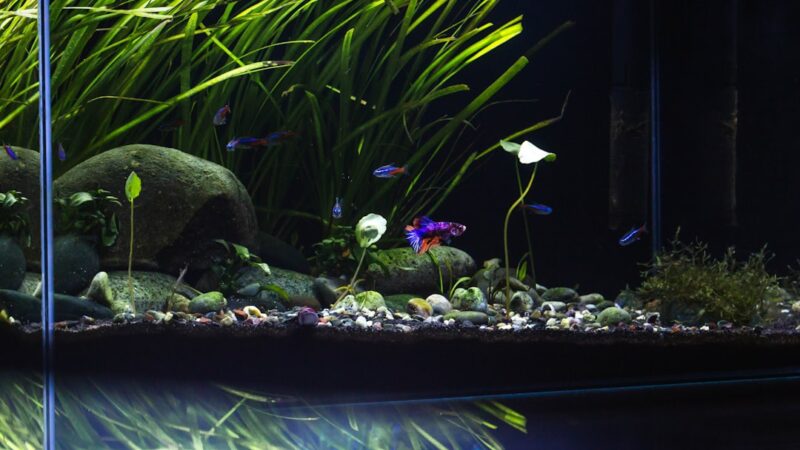
Tall, upright driftwood pieces anchor this layout. Look for branching Manzanita or tall spider wood that extends from substrate to near the waterline. Position two or three vertical pieces at staggered depths to create lanes and corridors — angelfish cruise through these gaps like ships passing through a harbour. Avoid dense tangles that could trap their long trailing fins. Supplement with a few smooth river stones at the base for grounding.
Tall Background Plants
Vallisneria spiralis or Vallisneria nana planted densely across the rear panel creates a flowing green curtain that reaches the surface. Echinodorus bleheri (Amazon sword) serves as a dramatic centrepiece plant — its broad leaves provide spawning sites that angelfish actively seek out. Crinum calamistratum adds twisted, ribbon-like leaves that sway beautifully in filter current. These species all tolerate the moderate lighting typical of deeper tanks.
Midground and Foreground
Keep the midground relatively open. Angelfish need clear swimming lanes across the tank’s width — dense midground planting frustrates their natural patrolling behaviour. A few clusters of Cryptocoryne wendtii or Anubias barteri attached to stones provide visual interest without obstructing movement. Foreground carpets are optional; a clean sand bed actually showcases the fish better than a manicured carpet, especially with darker substrates that contrast against the angelfish’s silver and black colouration.
Lighting and CO2 for a Deep Tank
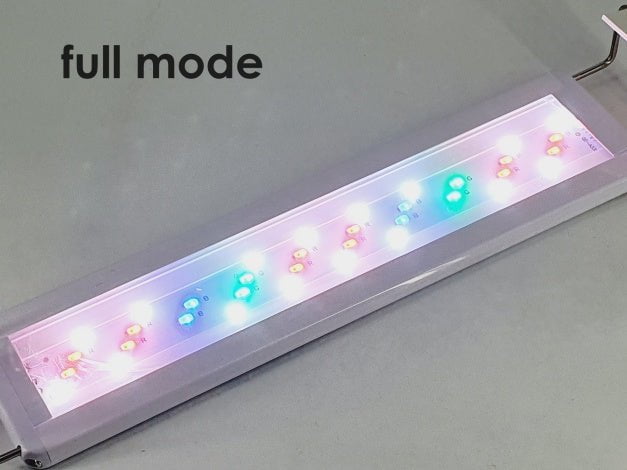
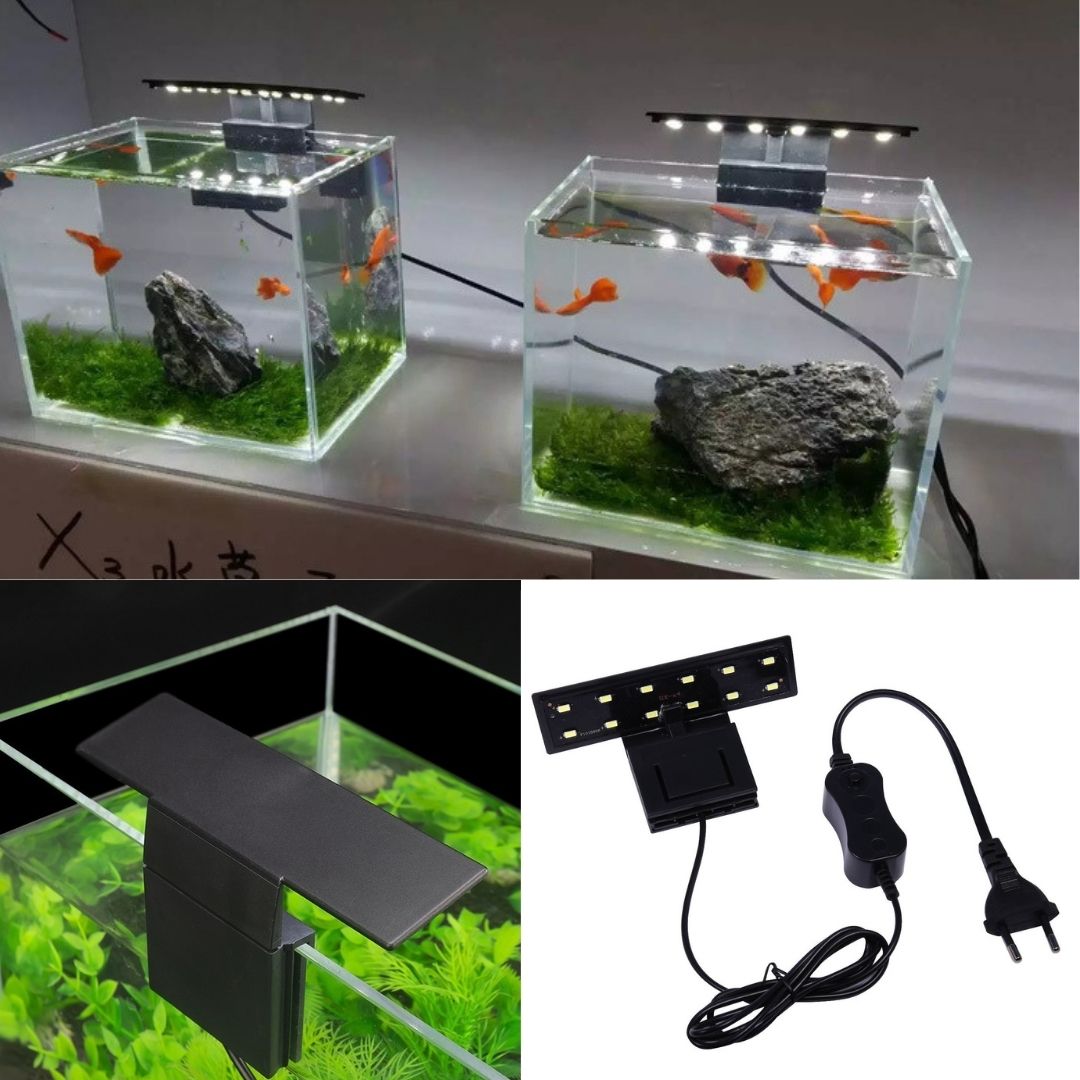
Light intensity drops significantly with water depth. A tank 50 cm tall needs a strong LED fixture — 70-90 PAR at the surface to deliver 30-40 PAR at substrate level. Chihiros VIVID II or Twinstar S series are popular choices locally, priced from $80-180 on Shopee. CO2 injection is beneficial but not essential if you stick to undemanding plants. If you inject, use an inline diffuser rather than a ceramic disc — angelfish sometimes pick at in-tank equipment.
Water Parameters and Tropical Comfort
Angelfish thrive at 26-30 °C — perfectly aligned with Singapore’s ambient water temperature. Target pH 6.5-7.2 and GH 4-10. PUB tap water sits on the softer end, which suits wild-type angels and most captive-bred strains. Perform 25-30 % weekly water changes and treat with a dechlorinator that neutralises chloramine. Angelfish are sensitive to ammonia spikes, so maintain robust biological filtration — a canister rated for at least 1.5 times your tank volume.
Stocking Companions
Choose tank mates that occupy different water levels and will not fit in an adult angelfish’s mouth. Corydoras species work perfectly as bottom dwellers. Larger tetras — rummy-nose, congo, or lemon tetras — shoal in the mid-water without becoming prey. Avoid neon tetras and small rasboras with adult angelfish; those will eventually be eaten. A small group of Otocinclus handles algae duty without provoking territorial responses.
Bringing the Display Together
The key to a successful angelfish display tank aquascape is vertical emphasis and open space. Tall wood, tall plants, and clear swimming lanes let these fish do what they do best — glide, display, and command attention. Resist the temptation to fill every gap. Negative space is not wasted space; it is the stage on which your angelfish perform.
Related Reading