
How to Aquascape an Outdoor Koi Pond in Singapore
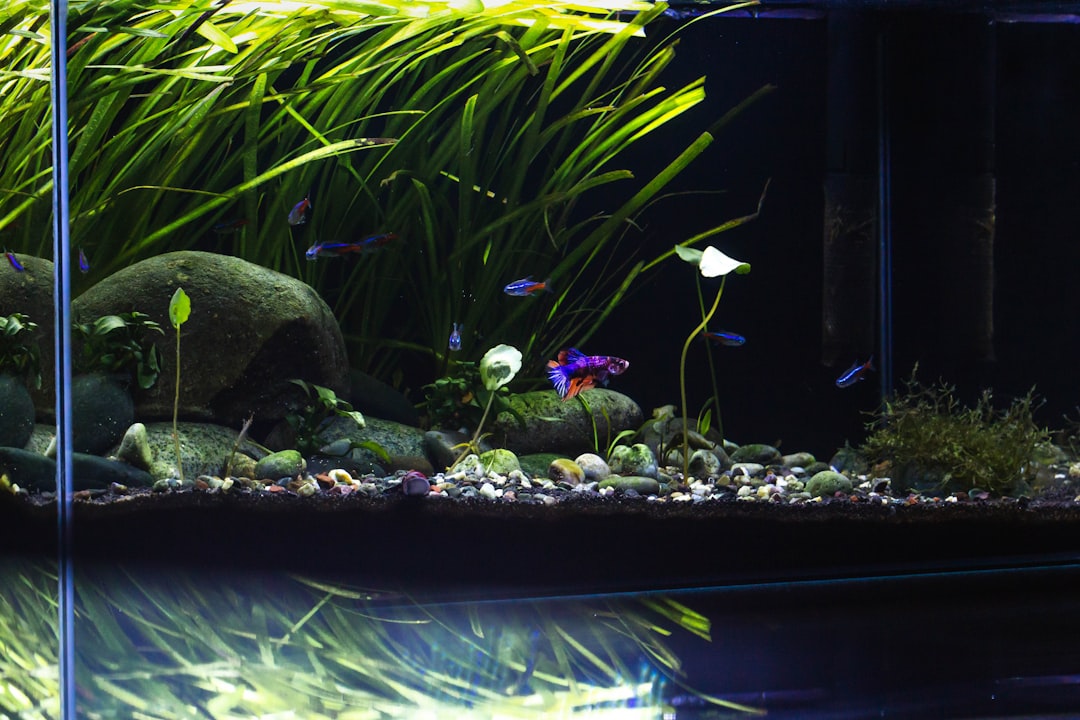
Koi keeping in Singapore presents unique opportunities and challenges. The tropical climate means your fish grow year-round without the winter dormancy that slows koi in temperate countries, but it also means algae never sleeps, predators are active all year and afternoon thunderstorms can dump litres of acidic rainwater into an uncovered pond. Aquascaping an outdoor koi pond in Singapore requires a design that balances beauty with the practical realities of our equatorial environment. At Gensou Aquascaping, based at 5 Everton Park, we have designed and maintained koi ponds for landed homes and commercial properties over more than 20 years.
Pond Size and Depth Guidelines
Koi need space. A minimum pond volume of 5,000 litres supports three to four adult koi comfortably. Depth should be at least 1.2 m in the deepest zone, which provides a cool retreat during the hottest hours when surface temperatures climb above 32°C. Shallow shelves of 30-40 cm around the perimeter create planting ledges and make maintenance access easier.
For landed properties, a pond footprint of 3 x 2 m is a practical starting point. Condo ground-floor patios can accommodate smaller raised ponds, but check with your MCST for approval before construction. Weight is significant: 5,000 litres of water alone weighs 5 tonnes before adding rock and equipment.
Aquascaping Materials for Koi Ponds
Koi are bulldozers. They root through substrate, upend plants and knock over unsecured rocks. Use large, heavy boulders of at least 20-30 kg that the fish cannot shift. Granite, limestone and local river stone are all suitable. Arrange rocks around the perimeter and at pond edges to create natural-looking banks while protecting the liner from UV exposure.
Avoid gravel or small pebbles on the pond floor. Koi sift substrate constantly, stirring up debris and making the water permanently cloudy. A bare liner or smooth concrete finish is easier to clean and keeps the water clear.
Plant Selection for Singapore Koi Ponds
Plants and koi have a difficult relationship. Koi eat most soft aquatic plants, so only tough species survive. Nelumbo nucifera (lotus) grows vigorously in Singapore’s sun and heat, with stems thick enough to resist nibbling. Plant lotus in heavy pots submerged on the shallow shelf and protect young shoots with a mesh cage until they grow above the water.
Cyperus alternifolius (umbrella palm) and Thalia dealbata are marginal plants that grow in pots on the shelf with roots submerged but foliage above the water, safely out of reach. Eichhornia crassipes (water hyacinth) floats on the surface and absorbs nitrate aggressively, but koi shred the roots. Corral floating plants in a netted section to protect them while they filter the water.
Filtration for Outdoor Tropical Ponds
Biological filtration must be oversized for Singapore conditions. Warmer water holds less oxygen and higher metabolic rates produce more ammonia. A multi-chamber gravity-fed filter or a pressurised bead filter rated for at least twice your pond volume is the minimum. Include a settlement chamber for solids, a bio-media section with Japanese matting or K1 moving bed, and a UV clarifier rated at 25-40 watts per 5,000 litres to control green water algae.
Bottom drains are highly recommended. They pull debris from the deepest point of the pond to the filter, preventing anaerobic sludge from building up. Retrofit bottom drains are available if your pond was built without one, though installation requires temporarily draining the pond.
Dealing With Singapore’s Climate
Afternoon thunderstorms can drop pH rapidly. Rainwater is typically pH 5.0-5.5, and a heavy downpour dilutes pond water significantly. A partial cover, whether a pergola, shade sail or overhanging trees, reduces direct rain ingress. Keep crushed coral or oyster shell in the filter to buffer pH and KH against sudden rain events.
Temperature management is less of a concern because koi tolerate 24-32°C well. However, surface temperatures above 33°C in direct midday sun cause stress. Shade from trees, floating plants or a pergola keeps the surface cooler. Aeration is critical during hot spells. Run air pumps and venturi returns 24 hours a day to maintain dissolved oxygen above 6 mg/L.
Predator Protection
Herons, kingfishers and otters are genuine threats to koi in Singapore. Otters have been spotted at landed properties near reservoirs and waterways. A pond depth of 1.2 m deters most wading birds, but a taut net over the pond during dawn and dusk provides reliable protection. Motion-activated sprinklers deter herons without harming them. Secure the pond perimeter with fencing if otters are known in your area.
Bringing It All Together
A well-aquascaped koi pond in Singapore combines heavy, immovable rockwork, tough marginal and floating plants, oversized filtration and thoughtful climate management. Keep the design simple and robust. Koi are active, messy and long-lived fish that can reach 60-70 cm over a decade, so every element of the pond should be built to last. With proper planning, an outdoor koi pond becomes the centrepiece of any Singapore garden, combining the tranquillity of water with the beauty of these magnificent fish.
Related Reading



