How to Start an Aquarium Maintenance Business in Singapore
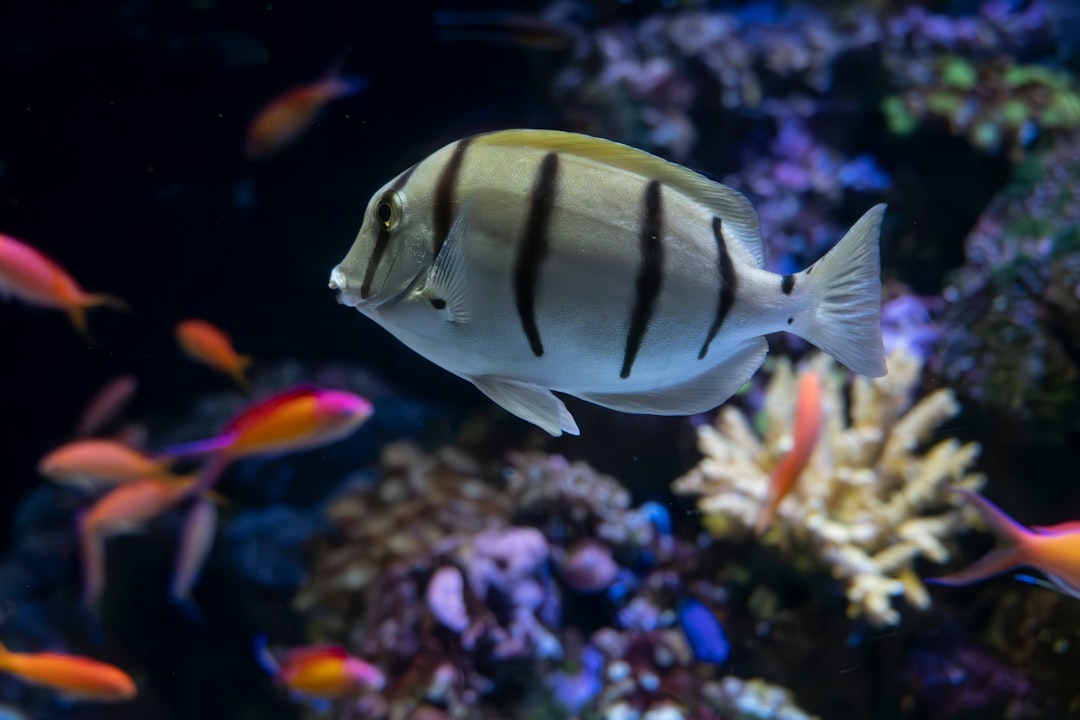
Singapore’s dense urban landscape is packed with restaurants, clinics, offices, and condominiums — many of which already have or want an aquarium but lack the time or knowledge to maintain one. Starting an aquarium maintenance business in Singapore can be a rewarding venture if you understand the local market, regulations, and logistics. Gensou Aquascaping at 5 Everton Park has operated in this space for over 20 years, and this guide shares the practical steps to get you started.
Understanding the Market
Commercial aquarium maintenance in Singapore serves two segments: residential clients (condos, landed homes) and commercial clients (restaurants, hotels, medical clinics, corporate lobbies). Commercial accounts are more lucrative and stable, typically signing 12-month service contracts worth $200-600 per month per tank. Residential clients pay less — $80-200 monthly — but tend to refer friends actively.
Competition exists but is not saturated. Most established companies focus on large commercial installations. A solo operator can carve out a niche with personalised service, faster response times, and specialisation in planted tanks or specific fish communities.
Business Registration and Licensing
Register your business with ACRA as a sole proprietorship or private limited company. The process takes one day online via BizFile+ and costs $115 for a sole proprietorship or $315 for a Pte Ltd. You do not need a specific licence to maintain aquariums, but if you plan to sell fish, plants, or livestock, you must obtain an AVS (Animal and Veterinary Service) licence under NParks.
Consider professional indemnity insurance. Accidents happen — a cracked tank flooding a client’s restaurant can result in claims running into thousands of dollars. Basic commercial liability coverage starts at around $300-500 annually.
Essential Equipment and Setup Costs
Your startup kit does not need to be expensive. A reliable vehicle is your biggest investment — a van or large car with space for buckets, hoses, and equipment. Budget roughly $2,000-3,000 for initial supplies: a battery-powered siphon, 20-litre buckets, algae scrapers, test kits (API Master Kit at around $40), nets, towels, and a portable water pump.
Carry spare parts — heater, air pump, filter media, dechlorinator — so you can handle minor repairs on the spot. Clients value a technician who solves problems in one visit rather than scheduling follow-ups.
Pricing Your Services
Structure pricing by tank size and visit frequency. A common model in Singapore looks like this:
- Tanks under 100 litres: $80-120 per month (fortnightly visits)
- Tanks 100-300 litres: $150-250 per month (fortnightly visits)
- Tanks 300-600 litres: $250-400 per month (weekly or fortnightly)
- Large installations above 600 litres: $400-800+ per month (weekly visits)
Include water testing, glass cleaning, water changes, filter maintenance, and a basic health check of livestock in your standard package. Charge separately for fish replacements, equipment upgrades, and emergency callouts.
Finding and Retaining Clients
Your first clients will likely come through word of mouth and online visibility. Set up a Google Business Profile targeting “aquarium maintenance Singapore” and related keywords. Post before-and-after photos of your work on social media — transformations of neglected tanks generate strong engagement. List your services on Carousell, where many Singaporeans search for home services.
Retention depends on reliability and communication. Send clients a brief WhatsApp summary after each visit — water parameters, any issues spotted, livestock condition. This transparency builds trust and justifies recurring fees.
Common Challenges
Scheduling is the biggest operational headache. Most commercial clients want servicing during off-peak hours — before 10 am for restaurants, after 6 pm for offices. Plan routes geographically to minimise travel time across the island. A client in Jurong followed by one in Pasir Ris wastes half your day in transit.
Singapore’s climate creates specific maintenance patterns. Algae growth accelerates year-round due to warm water and high ambient light. Evaporation is significant in open-top tanks, especially in air-conditioned spaces. Educate clients on realistic expectations — a planted tank will never look like day one forever without regular professional care.
Scaling the Business
Once you manage 15-20 regular accounts, you will need help. Hire a trained assistant or partner with freelance aquarists. Document your service procedures so quality remains consistent regardless of who performs the visit. Consider expanding into design and installation — the margins on new aquarium setups ($1,500-10,000+) far exceed maintenance revenue and feed your recurring service pipeline naturally.
Related Reading

emilynakatani
Still Have Questions About Your Tank?
Drop by Gensou Aquascaping — most walk-in questions get answered in under 10 minutes by someone who has set up hundreds of tanks.
5 Everton Park #01-34B, Singapore 080005 · Open daily 11am – 8pm