
Best Anti-Siphon Dosing Tubes for Aquarium Auto Dosers
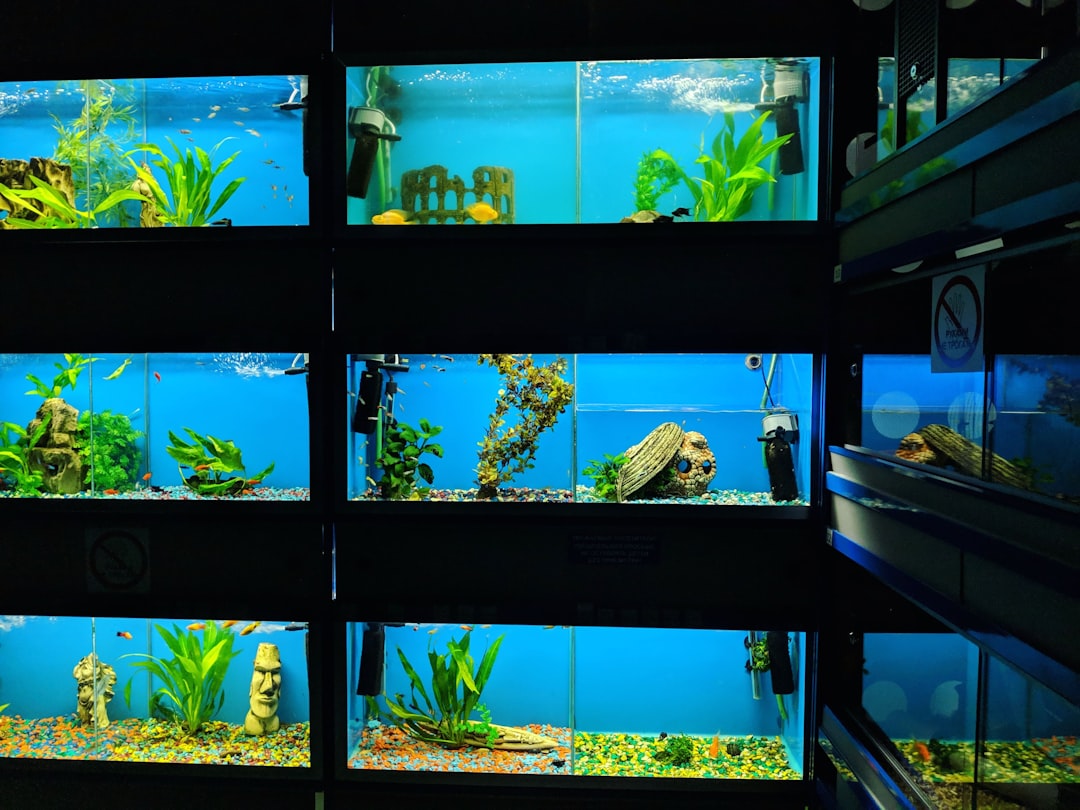
Back-siphoning is every dosing-pump owner’s nightmare — a single failed check valve can dump an entire container of liquid fertiliser or calcium solution into your tank overnight. Choosing the best anti-siphon dosing tube for your aquarium eliminates that risk with a simple physical safeguard. Gensou Aquascaping in Singapore has seen this issue ruin tanks more than once, so we take tube routing and anti-siphon design seriously on every installation.
What Causes Back-Siphoning
When a dosing pump stops, any tubing submerged below the water line creates a gravity-fed siphon. Liquid from the reservoir flows through the tube, past the idle pump head, and directly into the aquarium. Peristaltic pumps do offer some resistance when off, but they do not fully seal. A tube positioned with a high loop above the water line breaks the siphon, but if that loop sags or someone bumps it, protection vanishes instantly.
How Anti-Siphon Tubes Work
An anti-siphon dosing tube includes a small air-break hole drilled or moulded near the discharge end. When the pump runs, water pressure seals the hole with flow. The moment the pump stops, air enters through that hole, breaking the siphon immediately. Some designs use a spring-loaded check valve instead of an air break, though the air-break style is simpler and has no moving parts to fail.
Top Picks
The GHL dosing tube set is the gold standard — precision-moulded with a reliable air break and colour-coded caps for different solutions. At around $15-$20 for a set of four, they fit most peristaltic dosers. Kamoer also sells anti-siphon tube kits designed for their FX-STP and X1 Pro dosers, typically $10-$15 per set.
Budget-conscious hobbyists on Carousell or Shopee can find generic anti-siphon tips that press onto standard 4 mm or 6 mm silicone tubing. These cost $3-$5 each and work surprisingly well, though the fit can be loose on some tubing brands — secure them with a tiny cable tie.
Tube Material Matters
Silicone tubing is the preferred choice because it resists kinking and tolerates the slight acidity of fertiliser solutions. PVC tubing is cheaper but hardens over time, especially in Singapore’s warm ambient temperatures of 28-32°C. Hardened tubing cracks at bends and connection points, creating drips that corrode your cabinet interior. Replace silicone dosing tubes annually as a precaution; they stretch and lose their grip on barbed fittings after prolonged use.
Routing Best Practices
Even with an anti-siphon tip, proper tube routing adds a layer of safety. Run the tube upward from the dosing pump to a point at least 10 cm above the tank’s water line before looping it down to the discharge point. Secure it to the wall or cabinet with adhesive cable clips so it cannot sag. Keep the discharge end above the waterline — never submerge it. A drip into the surface is fine and actually helps with even distribution.
Matching Tubes to Your Doser
Check your dosing pump’s specifications for recommended tubing inner diameter. Most aquarium peristaltic dosers use 2 mm, 3 mm, or 4 mm ID silicone tubing. Using the wrong size causes poor calibration — too large and the pump over-doses per revolution, too small and it under-doses. GHL, Jebao, and Kamoer all publish their recommended diameters in the user manual.
Testing Your Anti-Siphon Setup
After installation, fill the reservoir with plain RO water and run a test dose. Then power off the doser and watch the tube for two to three minutes. No dripping should occur at the discharge end. If water continues to trickle, the air break may be blocked or the tube diameter does not match the anti-siphon tip properly. Fix it before loading any concentrated solution.
Protecting Your Investment
A planted aquarium dosing setup might hold 500 ml of concentrated potassium or iron solution. An accidental full dump can spike nutrient levels to toxic concentrations, killing shrimp within hours and stressing fish severely. Spending $15-$20 on the best anti-siphon dosing tubes is cheap insurance. Gensou Aquascaping Singapore fits anti-siphon tips on every dosing installation as standard — it is simply not worth the risk to skip them.
Related Reading



