
Aquarium for Yoga Retreats in Singapore: Breath and Flow
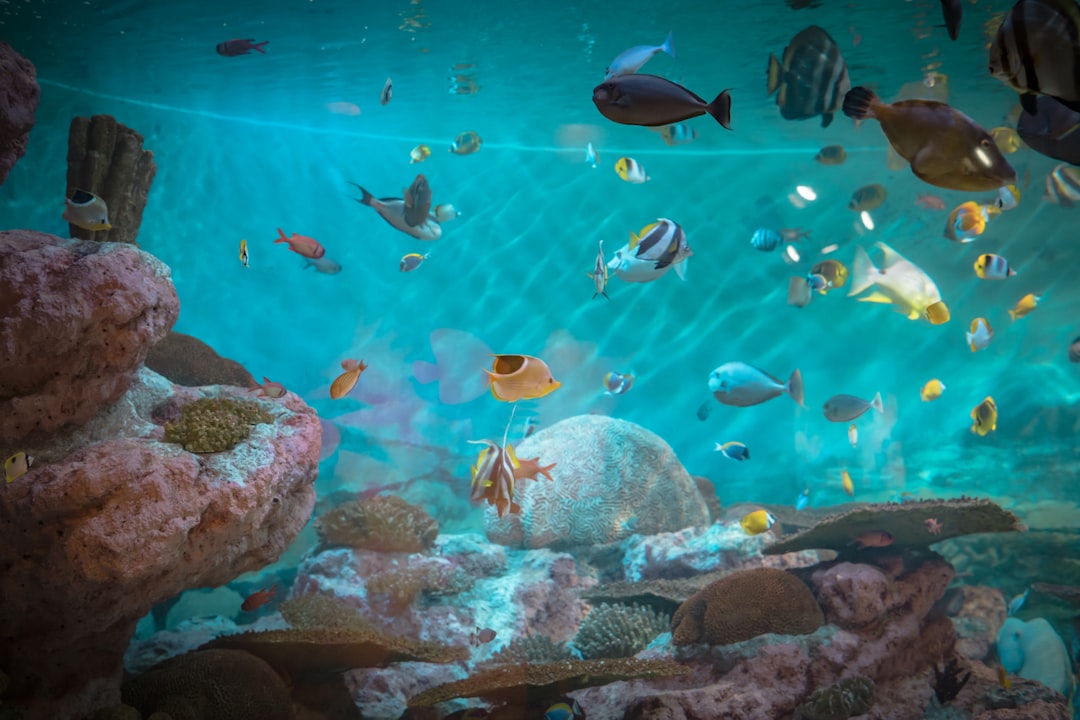
A yoga retreat is fundamentally about creating conditions for stillness — and few environmental elements support that intention as naturally as a living aquarium. The slow, rhythmic movement of fish, the sound of gentle water flow, and the visual depth of a well-planted display tank all reinforce the breath-focused, inward attention that yoga practice cultivates. For aquariums in yoga retreats across Singapore, the design challenge is aligning the tank’s visual and auditory character with the space’s existing energy — calm, intentional, and free of distraction. This guide from Gensou Aquascaping at 5 Everton Park, Singapore, covers everything retreat operators need to know.
The Connection Between Water and Mindful Spaces
Many contemplative traditions use water as a focal point — Japanese Zen gardens, Thai temple ponds, Balinese water shrines. An aquarium brings this principle indoors in a form that is practical, hygienic, and maintainable. The key distinction between a wellness-aligned aquarium and a generic fish tank is intention: every element of the setup should contribute to calm rather than visual noise. That means simple, uncluttered layouts, natural materials, muted colours, and species that move with slow grace rather than frantic energy.
Design Principles for Retreat Environments
Choose a minimalist hardscape. A single piece of driftwood, a few carefully placed stones, and a moss-covered surface create a more meditative impression than a densely arranged Dutch-style planted tank. Anubias species attached to wood, Fissidens fontanus moss, and a single slow-growing carpet plant like Cryptocoryne parva are natural-looking without requiring constant trimming. A dark substrate — ADA La Plata sand in darker tones, or fine black sand — grounds the design visually. Avoid plastic decorations, bright artificial ornaments, and novelty elements entirely. The aesthetic goal is something that could exist in a Southeast Asian river valley, translated cleanly into glass.
Species That Embody Flow
Fish selection should emphasise slow, graceful movement over speed or energy. Wild-type bettas (Betta imbellis or B. splendens) in a species tank move with quiet elegance and provide a single visual focus. A school of harlequin rasboras (Trigonostigma heteromorpha) — native to Singapore’s surrounding region — schools with a cohesion that is genuinely hypnotic to watch. Dwarf gouramis (Trichogaster lalius) drift through mid-water with unhurried purpose. All three are hardy, peaceful, and available from Singapore fish shops. Avoid fast-moving, darting species that create visual anxiety.
Sound Considerations
In a yoga space, sound is as important as sight. A filter return that creates loud splashing or gurgling immediately breaks the atmosphere. Use a pre-filter sponge and return the water below the surface level via a spray bar or lily pipe to eliminate almost all water noise. A canister filter positioned in a cabinet produces a low, gentle hum that is either inaudible or reads as ambient white noise — far preferable to a loud hang-on-back filter. Consider that many yoga studios also use music or sound bowls; your filter should not compete.
Lighting for a Contemplative Atmosphere
Bright, white LED arrays optimised for plant growth produce harsh, clinical lighting that conflicts with a retreat’s soft atmosphere. Choose a fixture with warm-spectrum LEDs (3000–4000K colour temperature) and a dimmer. Run the tank lights at 60–70% intensity rather than maximum, and consider programming a gradual sunrise and sunset cycle of 30–60 minutes at the beginning and end of the day. This creates a living, slowly shifting light quality in the tank that mirrors natural rhythms. In practice, retreats that keep their aquarium lighting soft and warm consistently report that members are drawn to the tank naturally during breaks and transitions between classes.
Placement and Feng Shui Considerations
Singapore’s multicultural wellness community often draws on feng shui principles, and many retreat clients and operators value this framework. Water elements in feng shui are associated with flow, abundance, and clarity — placing an aquarium in the entrance area or reception is considered auspicious in many systems. Avoid placing tanks where they create a visual distraction during active practice; a tank visible from the main yoga floor may draw wandering eyes during asana sequences. The ideal placement is in the reception, meditation room, tea area, or corridor — spaces where practitioners pause and rest between active sessions.
Professional Setup and Ongoing Care
Wellness businesses have a particular reputation to protect. A poorly maintained aquarium — cloudy water, dead fish, algae-covered glass — communicates neglect and undermines the brand promise of the space. Gensou Aquascaping provides full-service installation and maintenance contracts for commercial clients across Singapore. We handle the initial design consultation, tank build, livestock sourcing, and regular maintenance visits, ensuring your aquarium always reflects the standard of care your retreat space promises. A well-maintained tank in a yoga retreat pays dividends in atmosphere, client loyalty, and the simple daily pleasure of having something beautiful alive in your space.
Related Reading



