
Aquascaping With Petrified Wood Only: Ancient Texture Hardscape
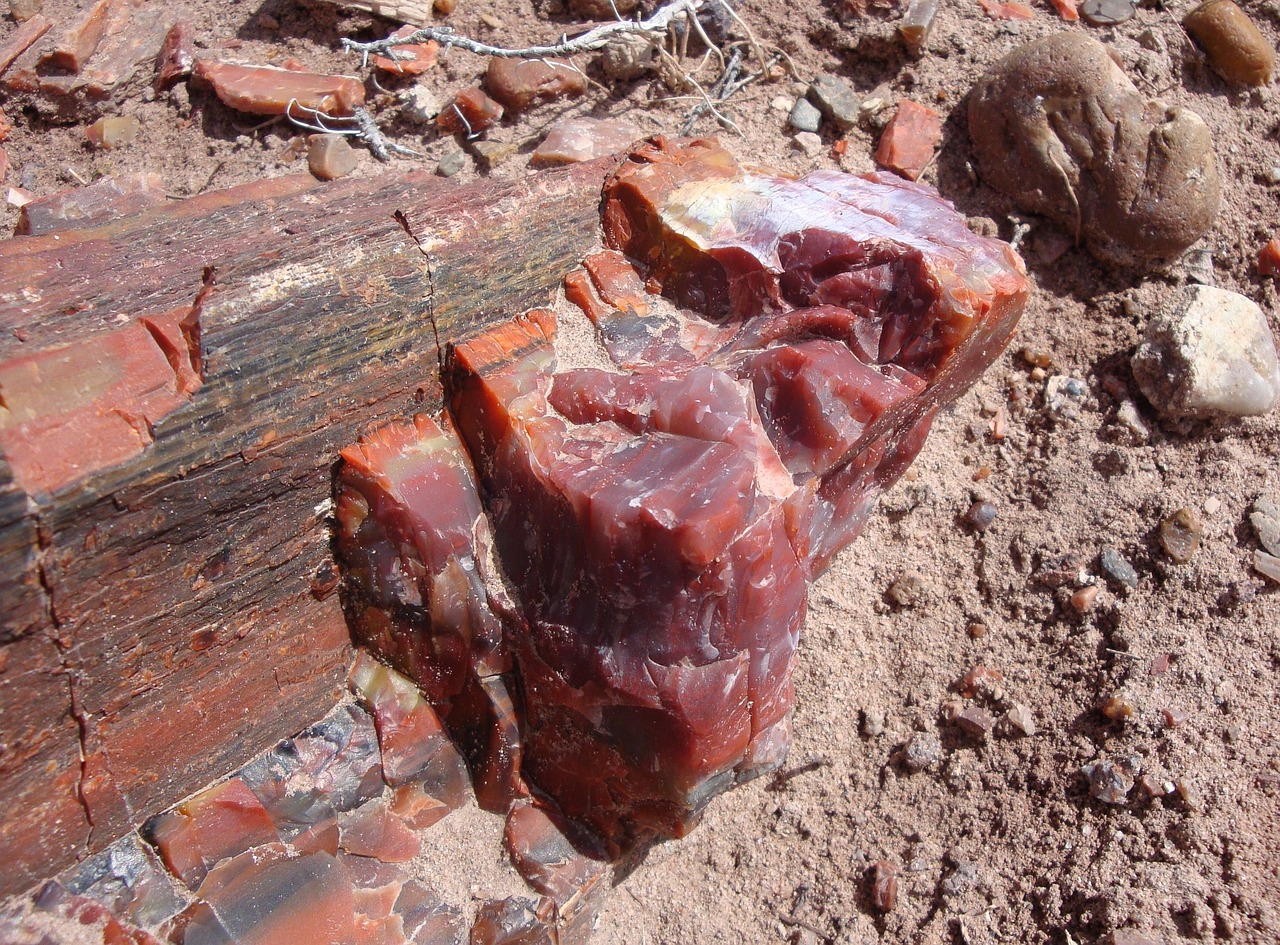
Petrified wood is fossilised tree material replaced over millions of years by silica, creating stone with the grain patterns of wood and the durability of rock. In an aquascape, it occupies a unique aesthetic space: organic in pattern and texture, geological in permanence, and visually unlike any other hardscape material. An aquascape built on petrified wood only — without mixing other stone types — achieves a compositional unity and prehistoric atmosphere that mixed hardscape rarely matches. Gensou Aquascaping at 5 Everton Park, Singapore regularly works with petrified wood for clients seeking unusual, conversation-starting centrepieces.
What Makes Petrified Wood Unique as Hardscape
Unlike volcanic stones such as seiryu or dragon stone, petrified wood is sedimentary in origin. Its surface shows genuine wood grain: growth rings, branch attachment scars and fibrous texture preserved in stone form. Colour varies by mineral content — ochre and warm brown from iron oxides, grey from silica, occasional red from manganese. A collection of petrified wood pieces from the same source shares tonal consistency while offering genuine variation in form. No two pieces look alike, which makes composition intuitive: the differences between pieces do the visual work for you.
Aquarium Safety and pH Impact
Petrified wood is inert in aquarium water. Unlike limestone or other calcareous rocks, it contains no calcium carbonate to dissolve and raise pH. This makes it genuinely safe for soft-water tanks, Caridina shrimp setups and blackwater biotopes where pH stability matters. Verify your source material by testing: place a drop of vinegar on the stone surface — no fizzing confirms it’s free of carbonate minerals. Import-grade pieces sold by reputable aquarium suppliers are tested and safe. Avoid roadside geological specimens of unknown mineral composition without testing first.
Composition: Working With Irregular Geometry
Petrified wood lacks the clean angularity of seiryu stone or the dramatic silhouette of tall lava rock. Its shapes are irregular, often chunky and horizontal. Work with this rather than against it: compose low, wide arrangements that emphasise the geological layering effect. A classic approach is a three-piece arrangement using one large anchor stone, a medium secondary piece at an oblique angle, and a small foreground fragment, all oriented with their natural grain lines running in compatible directions. The compositional rhythm of wood grain across multiple pieces, even in stone form, is visually cohesive in a way that geometrically varied stone types cannot replicate.
Plant Pairings That Complement Petrified Wood
The warm, earthy colouration of petrified wood pairs exceptionally well with plants in contrasting greens and reds. Bucephalandra species attached directly to wood-grain surfaces look remarkably natural — as though they’ve always grown on ancient root wood. Fine-leaved mosses like Christmas moss or Taxiphyllum barbieri draped over crevices add biological texture to the stone surface. For background plants, Rotala h’ra or Ludwigia species in warm orange and red tones echo the iron oxide colours in the stone. Bright green hairgrass (Eleocharis) in the foreground provides a crisp colour contrast that makes the earthy tones of the wood stone read more intensely.
Sourcing Petrified Wood in Singapore
Petrified wood for aquascaping is available at specialist aquarium hardscape suppliers, occasionally appearing at shops along the Serangoon North Avenue 1 strip and through Carousell sellers who import directly. Prices vary significantly by size and quality: small pieces (5–10 cm) suitable for nano tanks can be found at $8–20 each; larger specimen pieces for 90 cm tanks run $50–150. When selecting, look for pieces with clearly visible grain and consistent mineral composition — pieces that feel light for their size may contain hollow sections that could break under the weight of other stones.
Maintenance and Long-Term Stability
Petrified wood requires almost no maintenance beyond the standard algae management routine. Its dense, smooth-grained surface is less prone to algae colonisation than porous volcanic stones, though BBA (black beard algae) will attach to any surface given sufficient opportunity. A weekly wipe with a soft cloth during water changes keeps the surface clean. Unlike driftwood, petrified wood does not leach tannins, does not soften or break down and does not alter water chemistry over time — once placed and planted, the hardscape foundation of a petrified wood scape can last a decade without replacement.
Recommended Livestock
The warm-toned, geological atmosphere of a petrified wood scape suits fish with complementary earthy or vivid contrasting colouration. Wild-type or “Long Fin” Danio rerio, cardinal tetras, and ember tetras all photograph strikingly against the warm stone background. For something more unusual, Oryzias woworae (daisy’s ricefish) with their vivid blue-white spot patterning provide a cool-versus-warm colour counterpoint. Visit Gensou Aquascaping at Everton Park for sourcing advice on petrified wood pieces and fish that suit this striking hardscape style.
Related Reading



