Aquascaping With Spider Wood Only: Branching Root Structures
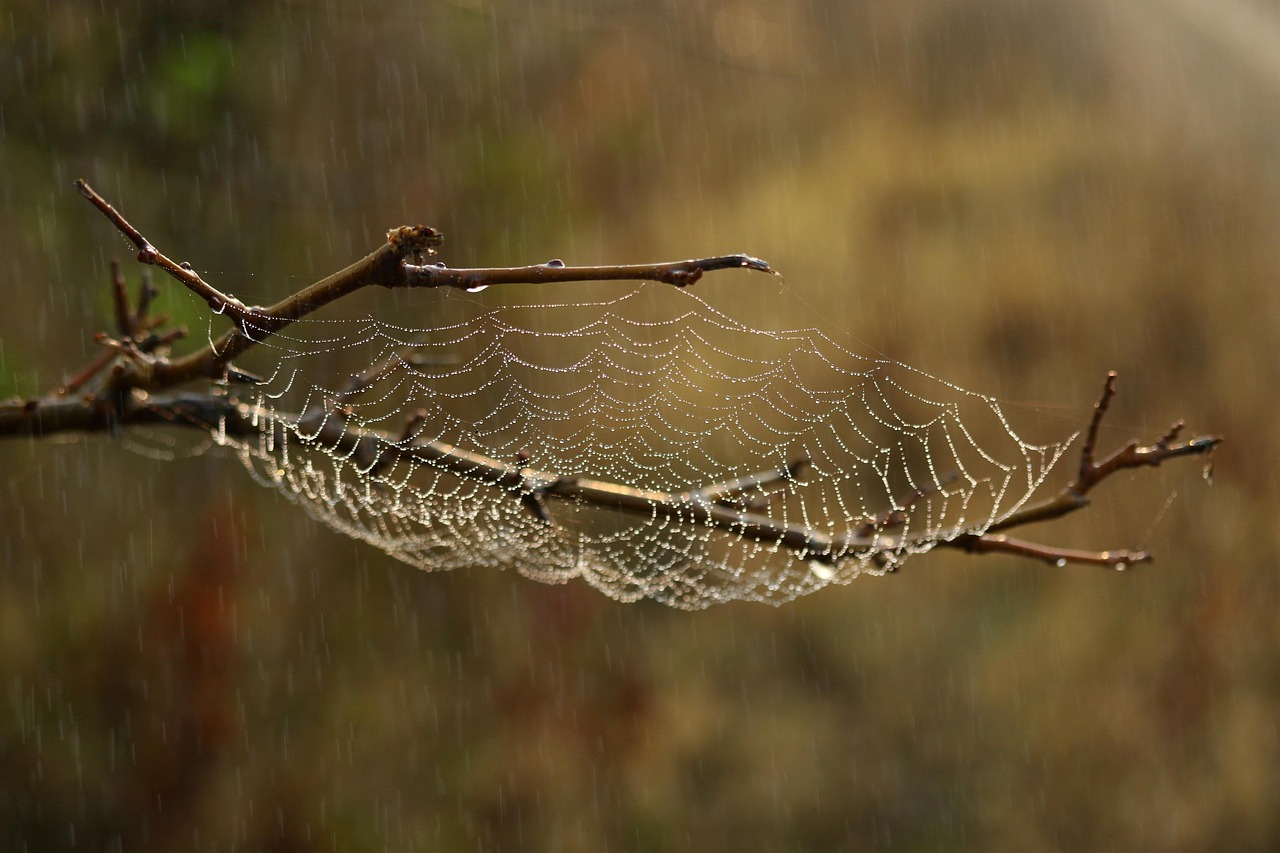
Spider wood‘s gnarled, branching form evokes tree roots reaching into water, and building an entire aquascape with spider wood only creates layouts with unmatched organic drama. No other hardscape material offers the same combination of delicate twigs, sweeping limbs, and open negative space. This guide from Gensou Aquascaping at 5 Everton Park, Singapore, covers piece selection, structural techniques, and planting strategies for a spider-wood-only design.
What Makes Spider Wood Special
Also sold as azalea root or red moor wood, spider wood is the dried root system of azalea shrubs. Its hallmark is the fine, branching structure that radiates outward like a miniature tree canopy. Unlike dense mopani or Malaysian driftwood, spider wood is lightweight and airy, which creates visual transparency. Light passes through the branches, and fish weave between the limbs naturally. This open quality is why spider wood dominates modern nature-style aquascaping.
Selecting Pieces at the Shop
Visit a physical store rather than buying online. Spider wood varies enormously in shape, and photographs rarely convey scale or branch angles accurately. Look for one large centrepiece with 3-5 major branches and several smaller accent pieces. Check that branches are firmly attached and not cracking at the joints. Prices in Singapore range from $8 for a small piece to $40-$60 for a dramatic centrepiece. Shops around Serangoon North and various online sellers on Carousell stock a good selection.
Preparation: Soaking and Waterlogging
Fresh spider wood floats stubbornly. Soak it in a bucket for 1-3 weeks until it becomes waterlogged enough to stay submerged. Change the soaking water every few days to leach out tannins, unless you want the amber tint in your display tank. For faster results, pour boiling water over the wood and weigh it down with a rock. Once it sinks on its own, it is ready. Some hobbyists skip soaking entirely and anchor the wood to a slate base with stainless steel screws, hiding the slate under substrate.
Composing the Layout
Think of spider wood as a fallen tree or an exposed root system. Position the thickest trunk section at the base, buried partially in substrate, with branches extending upward and outward. Angle the main piece so branches reach toward the light source, mimicking a tree growing toward the sun. Add smaller pieces leaning against or emerging from the base to suggest a natural tangle. Odd numbers of pieces create more dynamic compositions than even groupings.
Leave open swimming corridors between branch clusters. An overly dense arrangement defeats the purpose of spider wood’s airy character.
Anchoring and Joining Pieces
If a single piece does not give you the shape you want, join multiple pieces together. Stainless steel screws hidden behind moss or inside the substrate lock pieces at fixed angles. Aquarium-safe cyanoacrylate glue (superglue gel) bonds smaller branches to larger trunks effectively. Zip ties work for temporary positioning during setup and can be removed once plants conceal the attachment points. Test stability by gently pushing the structure before flooding.
Plants That Complement Spider Wood
Epiphytic plants are the natural partners. Taxiphyllum barbieri (Java moss) and Vesicularia montagnei (Christmas moss) draped over branches soften the angular lines and add lush green texture. Microsorum pteropus ‘Narrow’ (narrow leaf Java fern) attached to thicker limbs creates a canopy effect. Bucephalandra species glued to the base trunk add colour variation. Avoid heavy planting on the finest twigs, as dense moss obscures the delicate branching that makes spider wood distinctive.
Fish That Suit a Spider Wood Layout
Small, active schooling fish look spectacular weaving through the branches. Rasboras like Boraras brigittae and Trigonostigma espei bring warm orange-red tones that contrast against the brown wood and green plants. Otocinclus catfish perch on branches and graze algae naturally. Avoid large, boisterous species that may dislodge moss or snap delicate twigs. A school of 10-15 nano fish in a 60-litre spider wood tank creates constant, mesmerising movement.
Long-Term Maintenance
Spider wood softens over time as biofilm and beneficial bacteria colonise the surface. This is normal and actually desirable, as shrimp and fry feed on it. Moss growth needs trimming every 3-4 weeks to maintain shape and prevent lower portions from dying off due to light deprivation. Over 1-2 years, very thin branch tips may deteriorate. Simply snap off any soft or decaying ends. A well-maintained spider wood layout matures beautifully, looking more natural with each passing month.
Related Reading