
How to Breed Otocinclus: Triggering Spawns in Planted Tanks
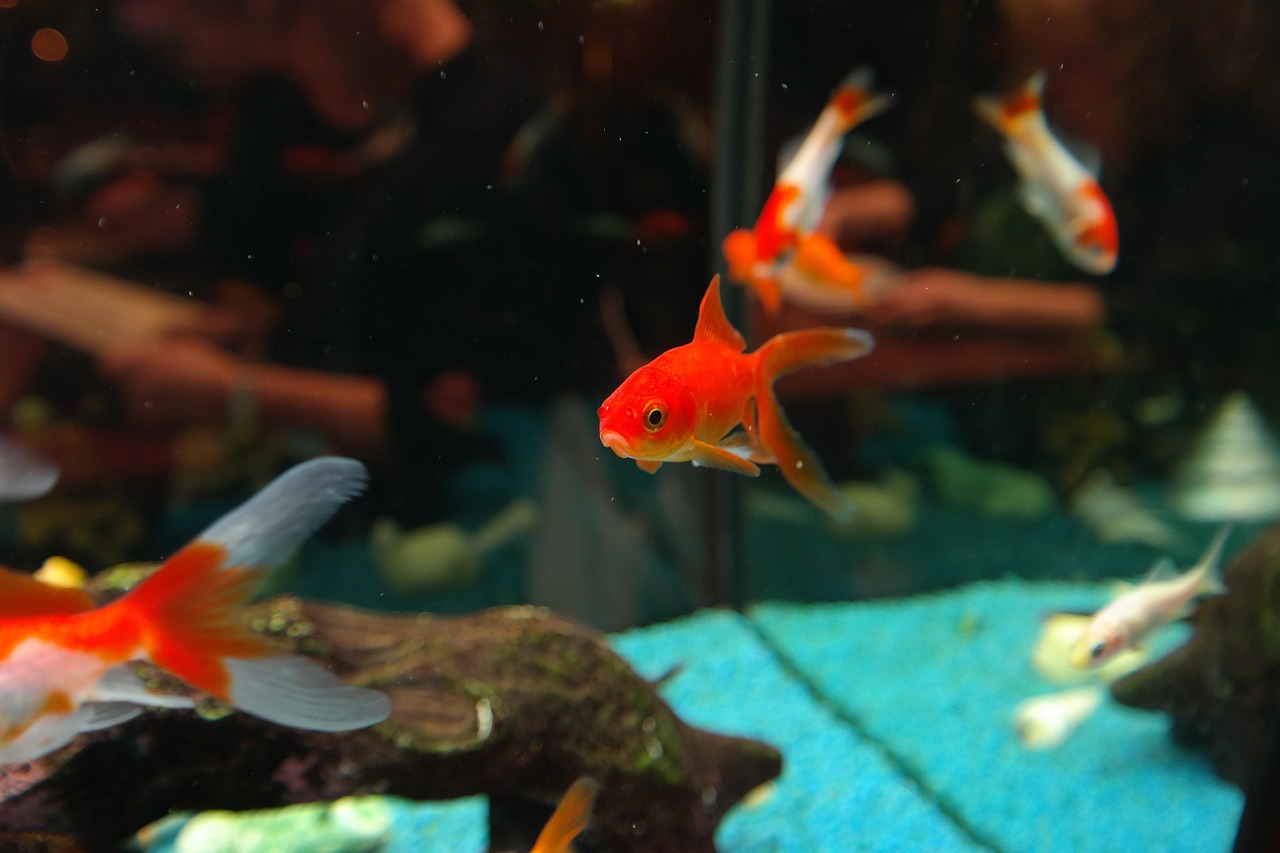
Otocinclus catfish are beloved algae eaters, but breeding them in home aquariums remains an achievement that eludes most hobbyists. These tiny catfish need precise conditions and careful conditioning before they will spawn. This breed otocinclus guide from Gensou Aquascaping at 5 Everton Park, Singapore walks you through the practical steps to trigger spawning and raise fry successfully.
Understanding Otocinclus Reproduction
Most otocinclus sold in Singapore are Otocinclus vittatus or Otocinclus cocama, though species identification is often unreliable at the retail level. They are egg scatterers, depositing small clutches of 30-50 adhesive eggs on plant leaves, glass and smooth surfaces. Males are typically slimmer, while gravid females appear noticeably rounder when viewed from above.
Wild populations spawn seasonally in response to rainfall and environmental cues. Replicating these triggers in the aquarium is the key to success.
Setting Up the Breeding Tank
A 40-60 litre planted tank works well for a breeding group of eight to ten otocinclus. Dense vegetation is essential; Anubias nana, java moss and Echinodorus species provide ideal egg deposition sites. Keep the substrate fine sand or bare bottom for easy fry observation. A gentle sponge filter maintains water quality without creating dangerous suction for tiny fry.
Lighting should be moderate, enough to sustain plant growth and biofilm production on surfaces. Otocinclus rely heavily on natural aufwuchs as their primary food source.
Water Parameters and Conditioning
Maintain pH at 6.5-7.0, GH 4-8, KH 2-4 and temperature at 24-26 degrees C during the conditioning phase. Singapore’s soft tap water suits otocinclus well after dechlorination. Feed generously with blanched courgette, spirulina wafers, cucumber slices and live biofilm on rocks rotated from a sunlit container. Conditioning takes four to six weeks of consistent, high-quality nutrition.
Gravid females become visibly plump, and males begin chasing them actively around the tank. This courtship chase is the first sign that spawning is imminent.
Triggering the Spawn
Simulate the onset of the rainy season with a large, cool water change. Replace 50-60 percent of the tank water with dechlorinated water 2-3 degrees C cooler than the tank temperature. Drop the conductivity slightly by using a mix of RO and tap water. This sudden environmental shift mimics the influx of fresh rainwater that triggers spawning in the wild.
Spawning typically occurs within 24-48 hours of the trigger. Males chase females vigorously, and the pair assumes a T-position similar to corydoras breeding. The female deposits one to three eggs at a time on leaves and glass before moving to the next spot.
Egg Care and Hatching
Otocinclus eggs are tiny, translucent and roughly 1.5 mm in diameter. They hatch in 48-72 hours at 25 degrees C. Fertile eggs remain clear, while infertile ones turn white with fungus within 24 hours. Some breeders add a few drops of methylene blue to prevent fungal spread, though a well-planted tank with good water flow usually manages without it.
Remove adult fish after spawning if possible, as they may eat their own eggs. Alternatively, the dense plant cover in a well-planted breeding tank provides enough refuge for most eggs to survive.
Raising the Fry
Newly hatched fry absorb their yolk sac for two to three days before becoming free-swimming. At just 3-4 mm, they are extremely small and need microscopic food. Biofilm on plant leaves and glass is their primary first food. Supplement with powdered spirulina, infusoria and green water if biofilm is insufficient.
Growth is slow. Fry reach 1 cm after roughly six weeks and begin to resemble miniature adults. Maintain impeccable water quality with daily 10 percent water changes using temperature-matched, dechlorinated water. Mortality is highest in the first two weeks, often due to starvation rather than water quality issues.
Common Challenges
The biggest obstacle is keeping otocinclus alive and healthy long enough to breed. Wild-caught specimens often arrive emaciated and parasitised after a stressful import chain. Quarantine new arrivals for three to four weeks, deworm with a gentle treatment, and ensure abundant biofilm before considering them ready for a breeding project. Once established and well-fed for several months, healthy otocinclus breed more readily than most hobbyists expect.
Related Reading
- How to Breed Amano Shrimp: The Challenging but Rewarding Process
- Amano Shrimp vs Otocinclus: Which Algae Crew Wins?
- How to Breed Assassin Snails: Slow but Steady Reproduction
- How to Breed Bamboo Shrimp: Larval Stages and Brackish Requirements
- How to Breed Betta Imbellis: Peaceful Wild Betta Spawning



