
Fishkeeping Mistakes That Kill Shrimp: Copper, pH Swings and More
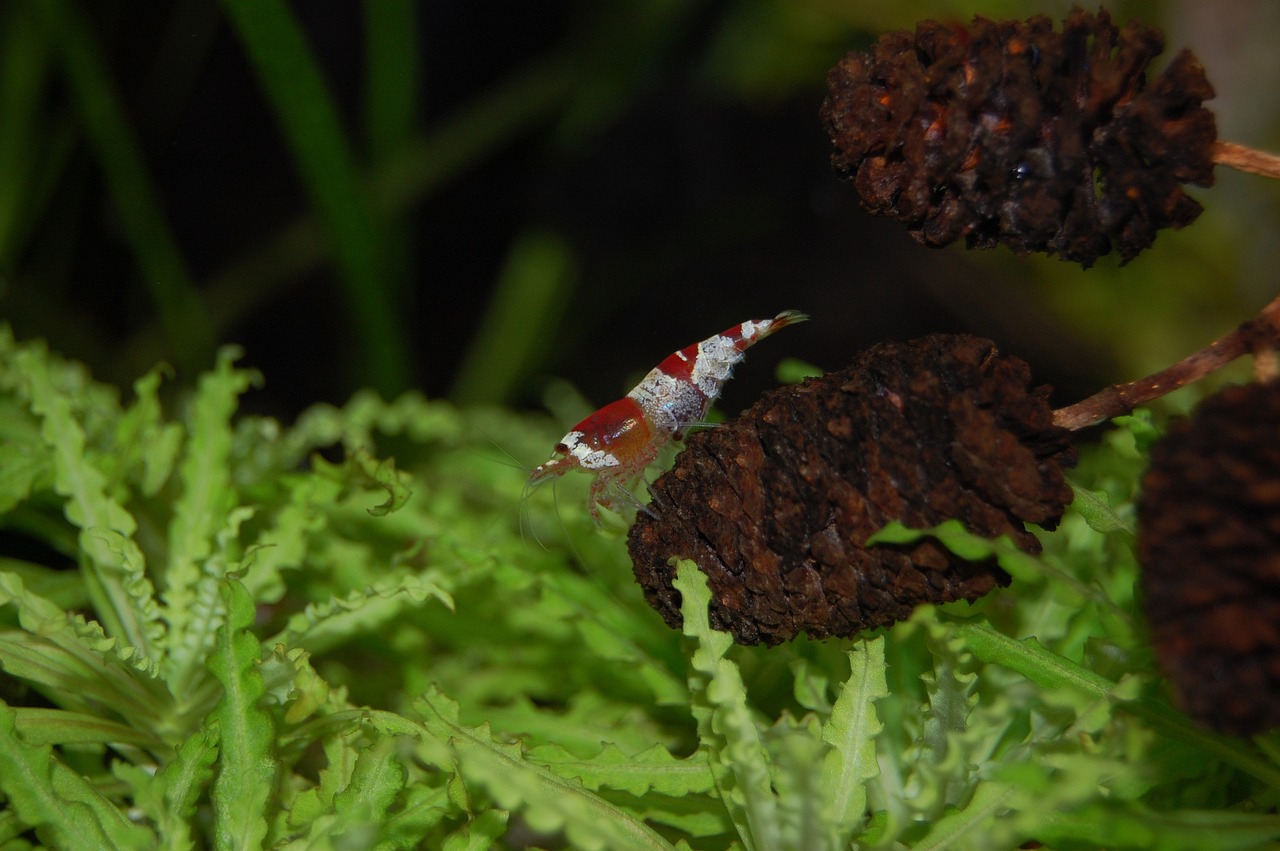
Shrimp are among the most rewarding invertebrates to keep, but they are also far less forgiving than fish when conditions go wrong. Understanding the fishkeeping mistakes that kill shrimp can save you from devastating overnight losses. At Gensou Aquascaping in Singapore, we have helped hundreds of shrimp keepers troubleshoot colony crashes over more than 20 years, and the same handful of errors come up again and again.
Copper: The Silent Killer
Copper is lethal to shrimp at concentrations as low as 0.03 ppm — a level that most fish tolerate without any visible stress. The most common source is fish medication. Products containing copper sulphate, such as certain ich treatments and anti-parasitic formulas, will wipe out a shrimp colony within hours. Always read medication labels carefully and never dose copper-based treatments in a tank containing shrimp.
Less obvious sources include new brass fittings on plumbing, copper pipes in older buildings, and some cheap fertilisers that list copper as a micronutrient. If you suspect contamination, Seachem CupriSorb removes copper from the water column, but prevention is far better than cure.
pH Swings From Poor Buffering
Singapore’s PUB tap water is soft with low KH, often below 2 dKH. Without adequate buffering, pH can crash overnight — dropping from 6.8 to 5.5 or lower as biological processes generate acid. Shrimp tolerate a range of pH values, but rapid swings of more than 0.5 units in a few hours cause moult failure, stress, and death. Add crushed coral, mineral stones, or a KH-boosting remineraliser to stabilise your water.
Improper Acclimation
Dumping shrimp straight into the tank after floating the bag is a recipe for shock. Shrimp are far more sensitive to TDS and pH differences than fish. Drip acclimation over 60-90 minutes — using airline tubing tied in a loose knot to regulate flow — is the safest method. Match the drip rate to roughly two to three drops per second. This gradual transition prevents osmotic shock, the most common cause of new-arrival deaths within the first 48 hours.
Overfeeding and Water Quality Collapse
Shrimp produce far less waste than fish of equivalent size, but they live in the same water. Overfeeding leads to uneaten food decomposing on the substrate, spiking ammonia and nitrite. Feed shrimp-specific pellets or blanched vegetables two to three times per week, removing any uneaten food after two hours. In a well-planted tank with biofilm, healthy Neocaridina colonies need very little supplemental feeding.
Using Tap Water Without Conditioner
Chloramine in Singapore’s tap water does not gas off like chlorine. It persists in the water column and damages shrimp gills on contact. Every water change must be treated with a conditioner that specifically neutralises chloramine — Seachem Prime is the most widely used option locally. Even small top-offs of untreated tap water can push chloramine levels high enough to stress a colony.
Tankmate Incompatibility
Many popular community fish eat juvenile shrimp. Angelfish, bettas, gouramis, and most cichlids view baby shrimp as a convenient snack. Even species marketed as “shrimp safe” — like certain rasboras — will pick off shrimplets under 5 mm. If breeding is your goal, keep shrimp in species-only tanks or with truly tiny, peaceful companions like Boraras brigittae or Otocinclus.
Ignoring TDS in Caridina Tanks
Caridina shrimp — Crystal Reds, Taiwan Bees, and their variants — require specific TDS ranges, typically 100-150 ppm. Using unmineralised RO water or over-remineralised water pushes them outside this comfort zone. Invest in a TDS meter (under $15 on Shopee) and test every batch of water change water before adding it to the tank. Consistency matters more than hitting a perfect number.
Skipping the Nitrogen Cycle
Adding shrimp to an uncycled tank is the single most common fatal mistake beginners make. Shrimp are more sensitive to ammonia and nitrite than nearly all freshwater fish. Even 0.25 ppm ammonia causes visible distress — erratic swimming, loss of colour, and lethargy. Cycle your tank fully before introducing shrimp, and verify with liquid test kits that ammonia and nitrite both read zero on two consecutive days.
Related Reading



