Borneo Peat Forest Biotope Aquascape: Blackwater and Leaf Litter
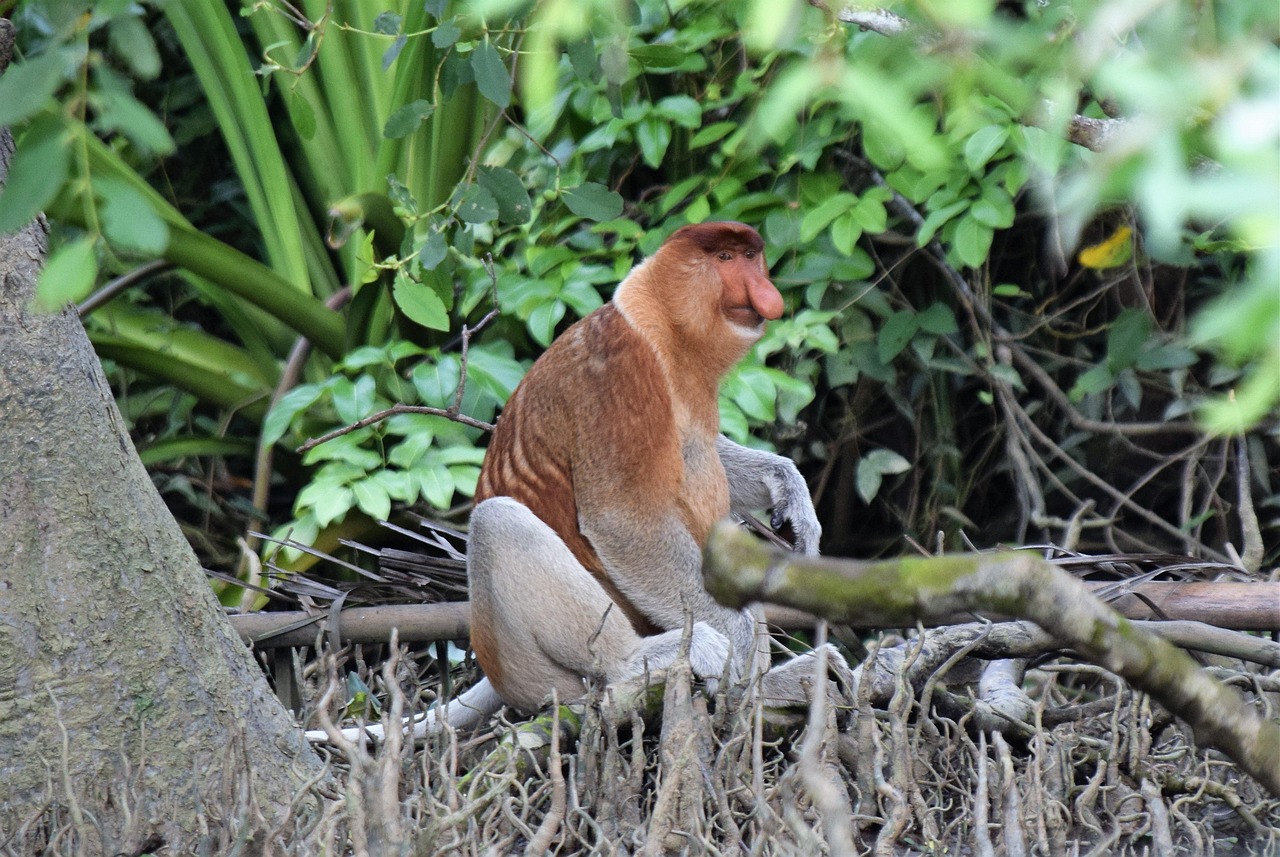
Beneath the canopy of Borneo’s peat swamp forests, streams run dark as tea, stained by humic acids leaching from centuries of decomposed plant matter. A Borneo peat forest biotope aquascape guide lets you bring this mysterious Southeast Asian habitat into your living room, with tannin-rich water, a carpet of fallen leaves, and fish species found just a short flight from Singapore. At Gensou Aquascaping, 5 Everton Park, Singapore, we find this biotope especially rewarding because many of the species involved are practically local neighbours.
The Peat Swamp Ecosystem
Bornean peat forests accumulate organic matter over thousands of years, creating a waterlogged, acidic substrate that stains the water a deep amber. The pH in these habitats can drop as low as 3.5-4.5, with virtually zero hardness and extremely low mineral content. Underwater visibility ranges from 30-80 cm depending on tannin concentration. For an aquarium recreation, you do not need to match these extremes, but understanding them helps you select the right livestock and materials.
Substrate and Base Layer
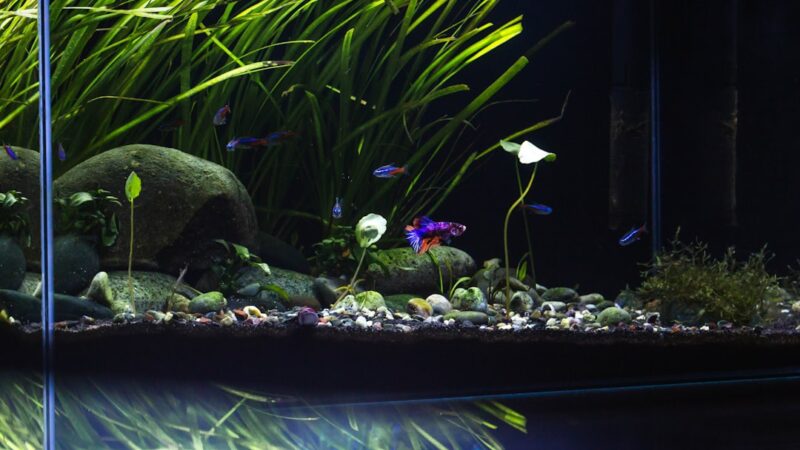
Start with a thin layer of dark aquarium soil or fine black sand, approximately 2-3 cm deep. Over this, scatter dried leaves generously: Indian almond leaves (Terminalia catappa), ketapang bark, and dried jackfruit leaves all release tannins and create the authentic leaf-litter bed. In Singapore, you can find Indian almond leaves for $2-$5 per bag at most local fish shops, or simply collect fallen leaves from the trees that grow abundantly across the island.
Hardscape: Roots and Botanicals
Gnarled driftwood with branching roots captures the look of submerged forest floor. Mopani wood and redmoor root are excellent choices. Supplement with seed pods such as alder cones, casuarina cones, and small coconut shell halves, all of which release tannins and provide hiding spots for small fish and shrimp. Arrange the wood horizontally rather than vertically to mimic fallen branches partially buried in leaf litter.
Achieving Blackwater Conditions
The leaves and botanicals alone will tint the water lightly, but for a true blackwater look, steep Indian almond leaves or peat granules in your filter. Rooibos tea bags (caffeine-free) provide a quick tannin boost without affecting water chemistry dramatically. Target a pH of 4.5-6.0 and GH below 4 for authentic conditions. Singapore’s PUB tap water starts soft, so modest additions of botanicals are usually enough. Avoid running activated carbon, as it strips the tannins you are working to build.
Native Fish Species
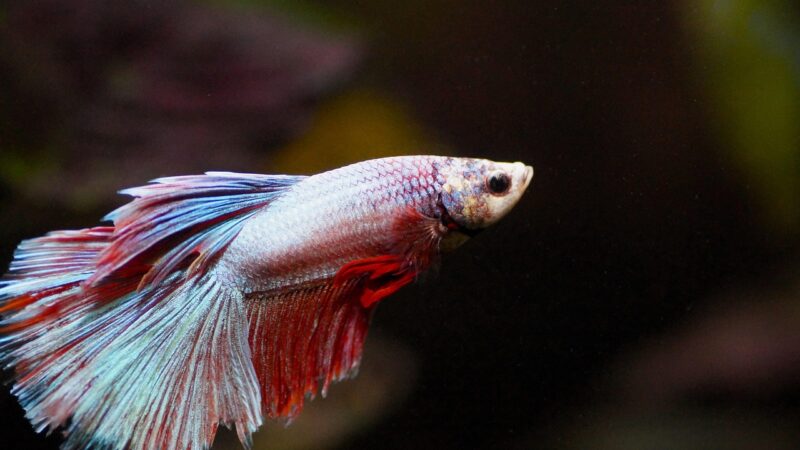
Chocolate gouramis (Sphaerichthys osphromenoides) are the star of any Bornean peat biotope, with their chocolate-brown bodies and intricate mouthbrooding behaviour. Pair them with Sundadanio axelrodi, a tiny rasbora that glows blue-green under subdued light. Parosphromenus species (licorice gouramis) are another authentic choice, though they demand very soft, acidic water and live or frozen foods. Keep the stocking light, as peat swamps are naturally low in nutrients and dissolved oxygen.
Plants: Less Is More
Peat forests support very few aquatic plants due to extreme acidity and low light penetration. Cryptocoryne species, particularly C. cordata and C. griffithii, are among the few that grow in these conditions. Place a small cluster or two emerging from the leaf litter for subtle greenery. Floating plants like Salvinia cucullata dim the light further and complete the shaded, mysterious atmosphere. Overly planted tanks contradict the biotope’s character.
Lighting and Ambience
Dim, warm-toned lighting replicates the heavily shaded forest canopy. Set your LED to 30-40 percent brightness with a colour temperature of 3000-4000 K. The tannin-stained water further softens and warms the light, creating a rich amber glow that is dramatically different from the bright, green-dominated look of a typical planted tank. This moody aesthetic pairs beautifully with darker furniture and living spaces.
Maintenance and Water Changes
Replace decomposing leaves every three to four weeks to maintain the leaf bed and tannin supply. Perform small water changes of 10-15 percent weekly rather than large ones, as a sudden influx of fresh tap water raises pH and hardness sharply, stressing sensitive blackwater species. Pre-treat replacement water with tannin extract or steeping a few leaves in it for 24 hours before adding to the tank. This gentle approach keeps your peat forest biotope stable and your fish thriving.
Related Reading
- Borneo Stream Biotope: Crystal Water and Ancient Fish
- Flooded Forest Biotope Aquascape: The Amazon Igapó
- Sumatra Peat Swamp Biotope Aquascape: Dark Acidic Wilderness
- Sumatran Peat Swamp Biotope Aquascape: Dark Tannin Waters
- West African Forest Stream Biotope: Kribensis and Anubias
If a Borneo peat-forest biotope draws you toward lush, atmospheric scenes, you’ll enjoy the misty mossy aesthetic in our cloud forest aquascape guide.
A Borneo peat forest biotope leans on a wooded, shaded look, so if you want to push that style further our guide on how to create a forest aquascape covers the techniques.