
Aquascaping With Lava Rock Only: Porous Texture and Plant Anchoring
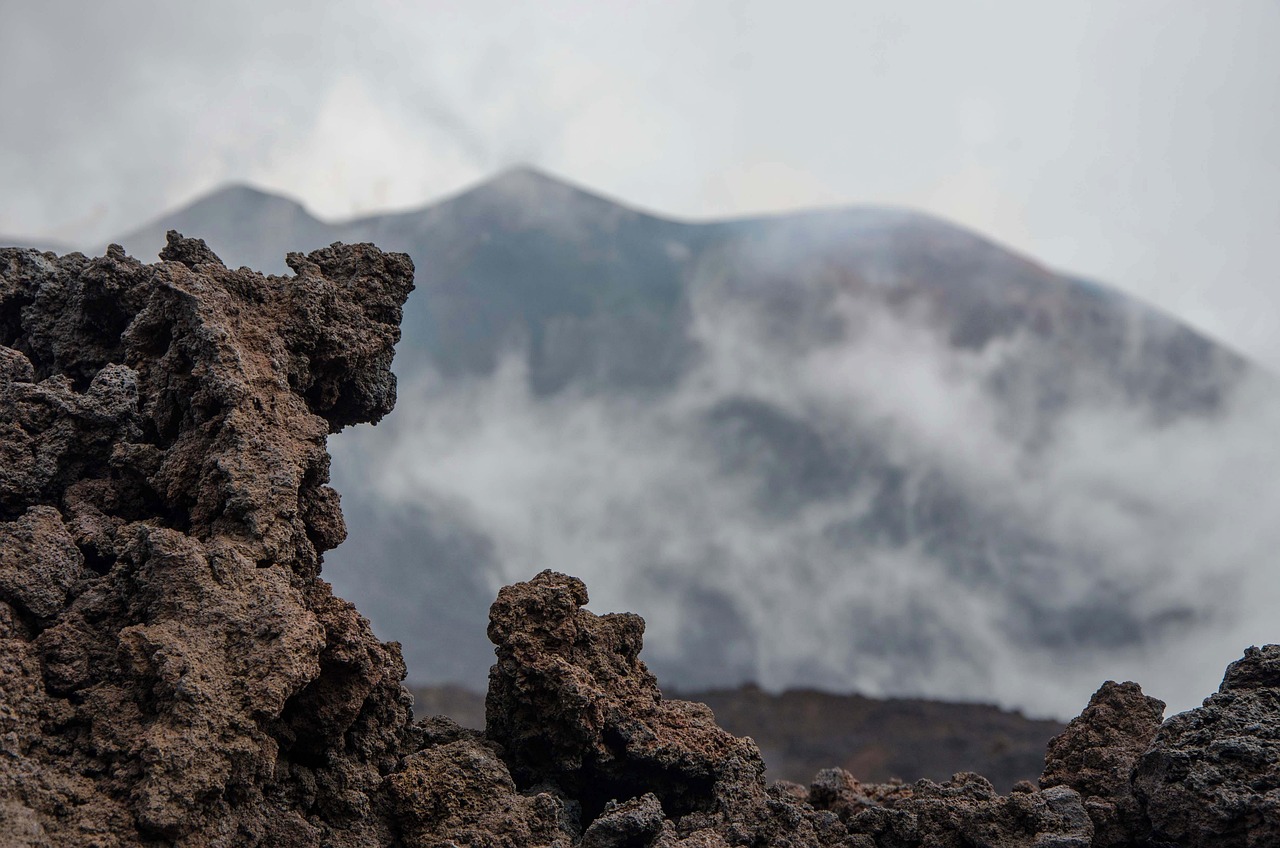
Lava rock is one of the most underrated hardscape materials in aquascaping. While seiryu stone and dragon stone dominate Instagram feeds, lava rock offers something neither can match: a porous surface that plants root into naturally without glue or thread. This aquascape lava rock only guide from Gensou Aquascaping at 5 Everton Park, Singapore shows how to build compelling layouts using nothing but this volcanic material, which happens to be one of the most affordable hardscape options available locally.
Properties of Lava Rock
Formed from cooled volcanic magma, lava rock is riddled with gas pockets that create its characteristic rough, cratered surface. It is extremely lightweight for its size, roughly a third the weight of seiryu stone per volume. The porous structure harbours beneficial bacteria, effectively turning each rock into a supplementary biological filter. Critically for aquascapers, lava rock is chemically inert and will not raise pH or hardness, making it safe for soft-water species and shrimp.
Sourcing and Cost in Singapore
Black and red-brown lava rock is readily available at local aquarium shops for around $3-$8 per kilogram, significantly cheaper than dragon stone ($8-$15 per kilogram) or premium seiryu ($12-$20 per kilogram). Shopee and Lazada sellers offer bulk bags of 5-10 kg that bring the cost down further. Garden centres also stock decorative lava rock, but check for chemical treatments or dyes before using it in an aquarium. Natural, untreated pieces are what you want.
Selecting Pieces With Character
Not all lava rocks look the same. Some pieces have dramatic overhangs and deep crevices, while others are uniformly rounded. Spend time sorting through available stock to find pieces with interesting profiles, visible pore structures, and flat bases that sit stable without support. Pieces with elongated shapes work well as peaks, while flatter slabs create natural ledges and terraces. Buying 50 percent more than you think you need gives you creative flexibility during layout.
Layout Techniques
Stack lava rocks to build height, using the natural irregularity of porous surfaces to interlock pieces without adhesive. For added security, apply a thin line of aquarium-safe cyanoacrylate gel between contact points. Build an asymmetric mountain or island formation, placing the tallest structure at roughly one-third from the left or right. Leave negative space between rock clusters to create visual breathing room and to define planting areas. A 60 cm tank typically needs 4-6 kg of lava rock for a balanced layout.
Anchoring Plants Directly to Lava Rock
This is where lava rock truly shines. Press Bucephalandra rhizomes into crevices, and their roots will grip within two to three weeks without any thread or glue. Anubias species attach similarly, their roots weaving into the porous surface. Mosses like Taxiphyllum barbieri (Java moss) and Fissidens fontanus can be stuffed into larger pores and will establish quickly. The result looks far more natural than plants tied to smooth stones with fishing line.
Planting Around the Base
Fill the substrate areas between rock clusters with rooted plants. Cryptocoryne species are ideal companions, as their broad leaves soften the angular rock edges. Staurogyne repens or Marsilea hirsuta create low carpets that creep up to and around the rock bases. The dark colour of lava rock provides excellent contrast against bright green carpeting plants, giving your layout strong visual definition without needing dramatic lighting.
Algae Management on Porous Surfaces
The same porosity that benefits plant attachment also gives algae a foothold. Green dust algae and hair algae can colonise lava rock surfaces if lighting and nutrients are not balanced. Prevent this by keeping the photoperiod under 8 hours, maintaining steady CO2 if you run a high-tech setup, and introducing algae grazers early. Otocinclus catfish and Caridina multidentata shrimp are particularly effective on the textured surfaces of lava rock.
Long-Term Maturation
Over months, lava rock develops a thin biofilm that softens its appearance and provides grazing surfaces for shrimp and snails. Plants attached to the rock grow outward, gradually covering the stone and creating a lush, natural look that is difficult to achieve with smoother hardscape materials. After six to twelve months, a lava rock layout takes on a mature, established character that improves with time rather than requiring the constant replanting that other styles demand.
Related Reading



