Aquascaping With Volcanic Rock Only: Porous and Bold
This aquascape volcanic rock only guide explores the raw beauty of lava stone as the sole hardscape material. Volcanic rock is porous, lightweight, richly textured, and available in colours ranging from charcoal black to rusty red — a single material with enough character to carry an entire aquascape. At Gensou Aquascaping Singapore, with over 20 years of hands-on experience at 5 Everton Park, we often reach for volcanic rock when clients want bold, dramatic layouts without the cost of premium imported stone.
Types of Volcanic Rock for Aquascaping
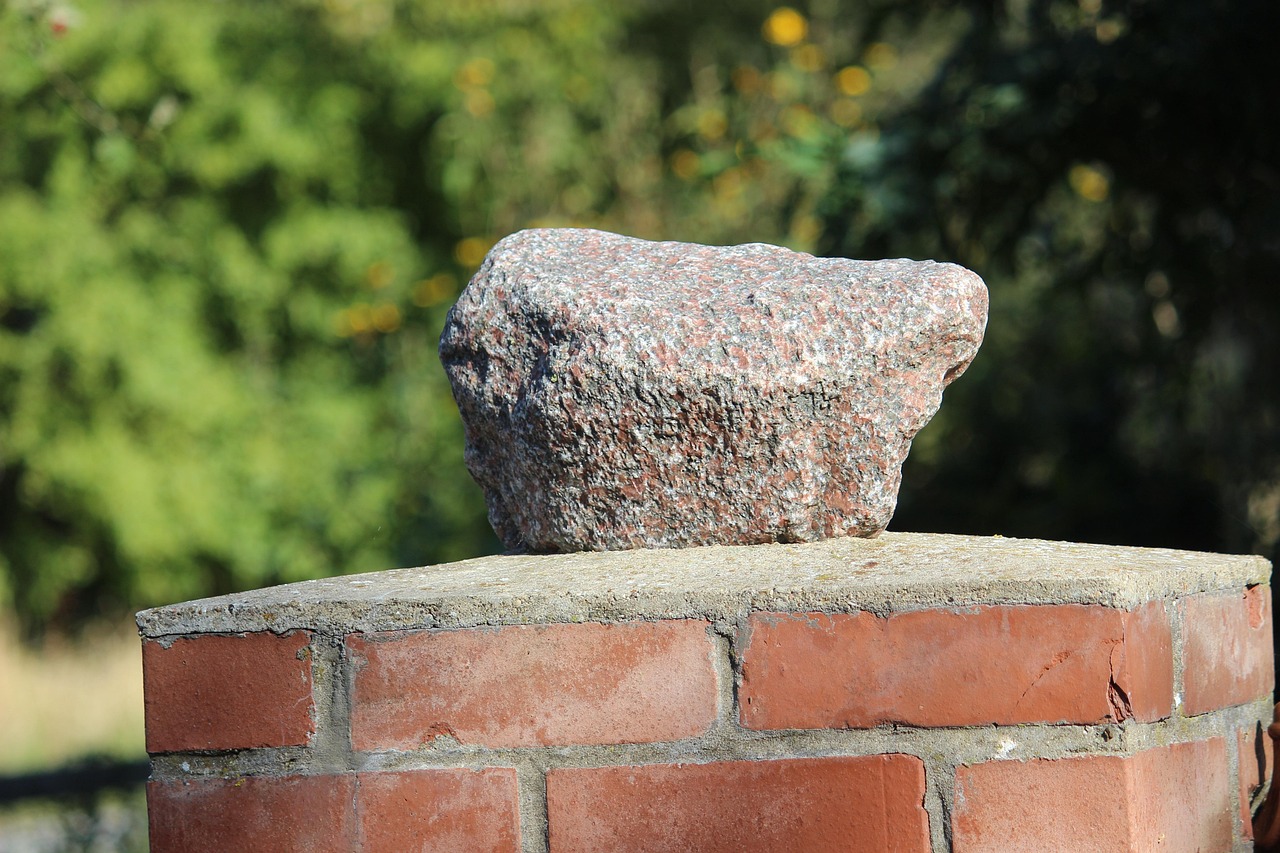
Black lava rock is the most common variety. Its rough, cratered surface and deep charcoal colour create striking contrast against green plants and pale substrates. It is chemically inert and will not alter your water parameters — safe for shrimp, soft-water fish, and planted setups alike.
Red lava rock contains higher iron oxide content, giving it a warm, earthy tone. It works beautifully in nature-style layouts that evoke arid volcanic landscapes. Some pieces combine both black and red zones, adding visual complexity within a single stone.
Pumice, the lightest volcanic rock, floats until waterlogged. While impractical as primary hardscape, small pumice pebbles serve as excellent substrate filler beneath heavier display rocks, reducing weight and preventing anaerobic pockets.
Why Volcanic Rock Excels in Aquariums
Porosity is the key advantage. Volcanic rock is riddled with tiny gas pockets formed when molten lava cooled rapidly. These pores harbour beneficial nitrifying bacteria, effectively turning every rock into a biological filter. A tank filled with lava rock has significantly more bio-filtration surface area than one using solid granite or quartz.
Weight is another benefit. Lava rock weighs roughly half as much as equivalent-sized limestone or seiryu stone. This matters for large installations where total hardscape weight can stress tank seams and stands. A dramatic 60 cm layout built entirely from lava rock might weigh only 8-12 kg — manageable for standard HDB furniture.
Sourcing and Pricing in Singapore
Black lava rock sells at $2-$5 per kg in local aquarium shops and garden centres. Red varieties are slightly pricier at $3-$7 per kg. Shopee and Lazada offer bulk bags of 5-10 kg at discounted rates, often with free delivery. For large projects, landscaping suppliers sell lava rock by the sack at under $2 per kg.
Select pieces personally if possible. Shapes vary enormously — flat slabs, jagged peaks, rounded boulders — and choosing complementary forms in person gives you far more creative control than ordering online sight-unseen.
Layout Techniques for Rock-Only Scapes
Without driftwood to provide organic curves, the composition relies entirely on stone placement. Use the Iwagumi principle: one dominant main stone (oyaishi), one or two secondary stones (fukuishi), and smaller accent stones (soeishi). Odd numbers feel more natural than even arrangements.
Vary height aggressively. A flat arrangement of similarly-sized rocks looks like a pile, not a landscape. Tilt your tallest piece at a slight angle and support it with smaller wedge stones. Create elevation changes that suggest ridgelines, valleys, or volcanic slopes.
Negative space between rock clusters is just as important as the rocks themselves. Leave open sand or gravel gaps that serve as visual pathways, guiding the viewer’s eye through the layout from foreground to background.
Planting on and Around Volcanic Rock
The porous surface is perfect for attaching epiphyte plants. Bucephalandra, Anubias ‘Petite’, and various mosses grip lava rock tenaciously — their roots penetrate the tiny pores and hold fast without glue or thread. Simply wedge a plant’s rhizome into a crevice, and within weeks it anchors itself permanently.
Carpet plants around the base of rock formations soften the transition between stone and substrate. Marsilea hirsuta or Micranthemum ‘Monte Carlo‘ growing up against dark lava creates a satisfying contrast of texture and colour.
Water Parameters and Compatibility
Black and red lava rock is pH-neutral and does not leach minerals. It suits Singapore’s soft, slightly acidic PUB tap water without modification. Shrimp keepers prize lava rock for this inertness — Crystal Red Shrimp and Taiwan Bees thrive in lava-rock-only setups where parameter stability is critical.
Rinse new lava rock thoroughly before use. The porous surface traps fine dust during transit that clouds water badly if not removed. Soak pieces in a bucket and agitate them vigorously until the water runs clear. This may take 3-4 rinse cycles.
Combining Textures Within One Rock Type
Break large pieces to expose fresh internal surfaces — smoother and lighter in colour than the weathered exterior. Position broken faces toward the viewer for variety. Contrast rough exterior surfaces on some stones with the smooth fractured faces of others. This creates textural depth within a single-material aquascape volcanic rock only guide approach.
Stacking flat lava slabs into layered cliff formations mimics sedimentary geology. Tilt each slab at a slight angle and offset successive layers to prevent the stack from looking artificial. Wedge small fragments between layers for stability.
Long-Term Maintenance
Algae colonises lava rock’s rough surface more readily than smooth stone. Spot-treat with liquid carbon (Seachem Excel or equivalent) applied directly via syringe. Otocinclus and Amano shrimp graze biofilm and soft algae from the pores, keeping the rock looking clean. Over time, a thin biofilm patina actually enhances the natural appearance — the rocks look settled and aged rather than freshly placed. Embrace the gradual maturation. An aquascape volcanic rock only guide setup improves with age, growing more beautiful as biology and geology merge into a living composition.
Related Reading