
Aquascaping With Lava Rock Only: Porous Texture and Plant Anchoring
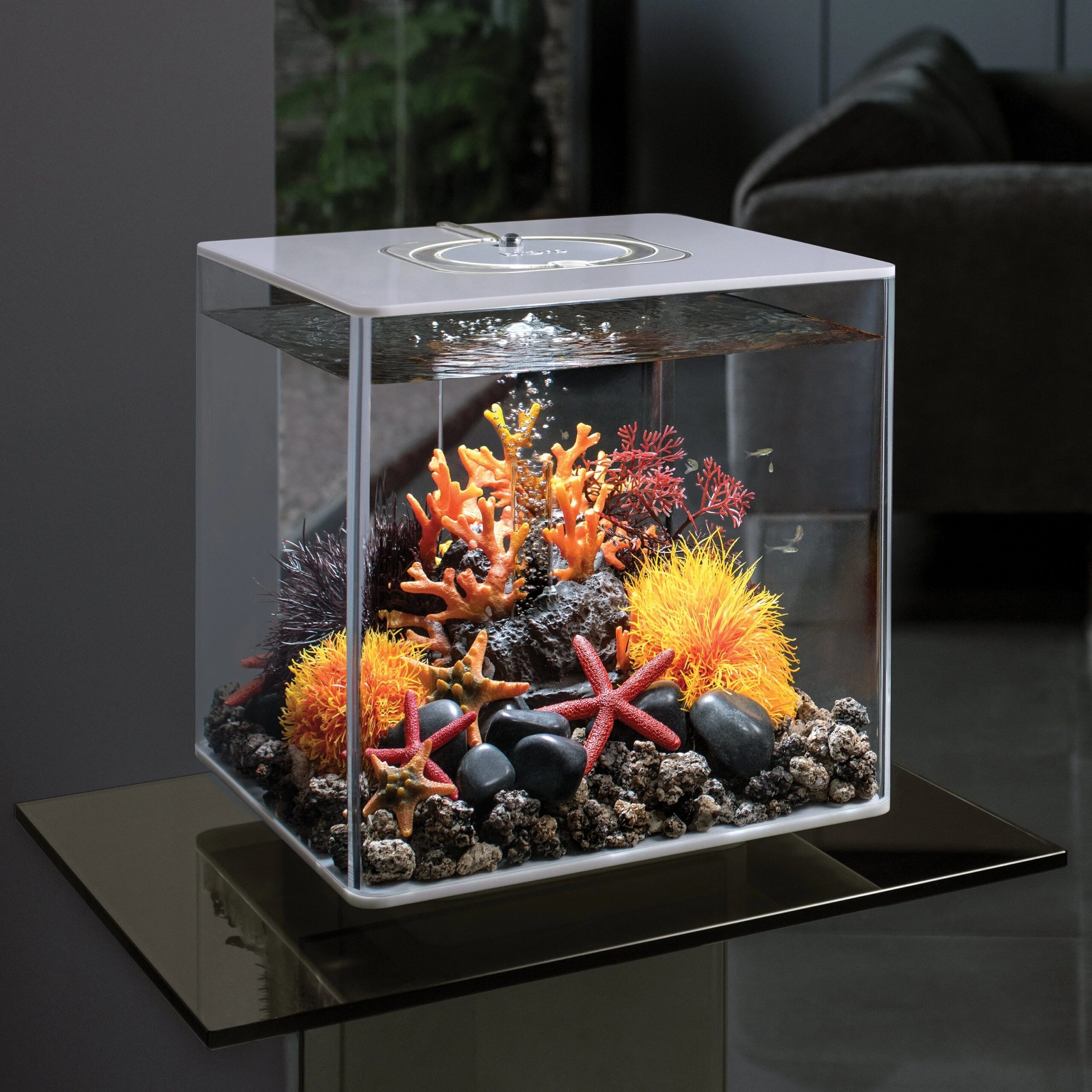
Lava rock is the most forgiving hardscape material in aquascaping. It’s lightweight, extremely porous, takes plants exceptionally well, buffers neither significantly acidic nor alkaline (remaining largely inert once leached), and its rough, cavernous texture creates visual complexity that polished stones cannot. An aquascape with lava rock only uses this versatility fully — building composition from surface texture variation and structural form alone, without mixing multiple stone types. Gensou Aquascaping at 5 Everton Park, Singapore, finds this constraint liberating: when the hardscape material is fixed, compositional decisions clarify considerably.
Why Lava Rock Suits a Single-Material Approach
Most hardscape materials look monotonous when used exclusively — a tank full of identical smooth pebbles or uniform slate sheets reads as flat and undifferentiated. Lava rock is different because its surface varies dramatically even within a single piece. Cavities, ridges, smooth flow-formed channels, and rough vesicular pockets all occur on the same rock, creating micro-landscapes that reward close observation. Large pieces anchor the composition; smaller fragments fill gaps and provide varied foreground texture. The visual interest comes from the material itself rather than from contrast with a second stone type.
Sourcing and Preparation
Lava rock is widely available from Singapore aquarium retailers and landscape suppliers. Red lava rock (more iron-oxidised) and black lava rock (basaltic, less oxidised) both work, though black varieties read more naturally in most aquascape styles. Pieces range from $2–$15 each depending on size. Before placing in the tank, scrub lava rock thoroughly with a stiff brush under running water and soak in fresh water for 24–48 hours. The initial soak releases fine particles and any residual surface dust that would otherwise cloud the tank for days. No further chemical treatment is necessary — lava rock is inert once clean.
Composition Principles for a Rock-Only Layout
The golden ratio and odd-number groupings apply as clearly to lava rock as to any other hardscape. Use one dominant focal stone — the largest and most interesting piece — positioned off-centre, approximately at the 1/3 or 2/3 horizontal mark in the tank. Secondary stones of varying heights build outward from the focal point. Lean some pieces against each other to create natural-looking supported formations rather than isolated standing stones. Leave the foreground largely open — 40–50% of the substrate area with minimal rock coverage — to preserve visual breathing room and allow the focal rock to dominate.
Plant Integration With Lava Rock
Lava rock’s porosity is its greatest asset for plant attachment. Mosses, ferns, and anubias all grip the rough surface with remarkable speed — faster than on smooth granite or glass. Taxiphyllum barbieri (Java moss) tied or glued to lava rock surfaces establishes within 2–3 weeks in Singapore’s warm conditions. Microsorum pteropus (Java fern) rhizomes wedged into rock crevices anchor naturally without thread. Anubias barteri var. nana grows from rhizomes placed in larger cavities. For a lava-rock-only aquascape, these attach-and-grow epiphytes maintain the visual clarity of the hardscape while adding a green layer that softens the rock’s industrial texture.
Colour and Light Interaction
Black lava rock absorbs light rather than reflecting it, creating deep shadow in crevices and cavities that adds visual depth far beyond the actual physical depth of the tank. This effect is strongest under directional lighting — a single overhead LED with a narrow beam angle rather than diffuse spread emphasises the three-dimensional character of the rock surfaces. Red lava rock, conversely, reflects warm tones and reads as warmer and more organic. In a high-tech planted tank setup, black lava rock against bright green moss — particularly the compact dense growth of Taxiphyllum ‘Peacock’ or ‘Mini Taiwan’ moss — creates a high-contrast composition with strong visual impact.
Avoiding Common Mistakes
The most common error in lava rock compositions is placing too many pieces of similar size across the full tank footprint. This creates a crowded, museum-display appearance where no single element dominates. Edit ruthlessly: remove pieces that aren’t contributing to the composition, and resist the urge to fill every space. A second common mistake is placing all rocks at the same height — a flat-topped horizon line of rocks regardless of size looks artificial. Vary the height profile significantly, with the focal point clearly the tallest element and foreground pieces at substrate level or just above.
Long-Term Maintenance
Lava rock’s porosity also means it accumulates debris more readily than smooth stones. Detritus settles into surface pockets and crevices. During water changes, a small pipette or fine siphon directed at these accumulation points removes debris without disturbing the layout. Biofilm will develop on submerged lava rock surfaces within the first month — this is normal and beneficial, providing grazing material for shrimp and small bottom feeders. If the biofilm becomes visually heavy, a toothbrush can clean individual rock surfaces without removal from the tank. The porous structure also colonises with beneficial bacteria, making mature lava rock a useful biological filtration medium that supplements the main filter.
Related Reading



