
How to Treat Fin Rot in Bettas: Early Detection and Recovery
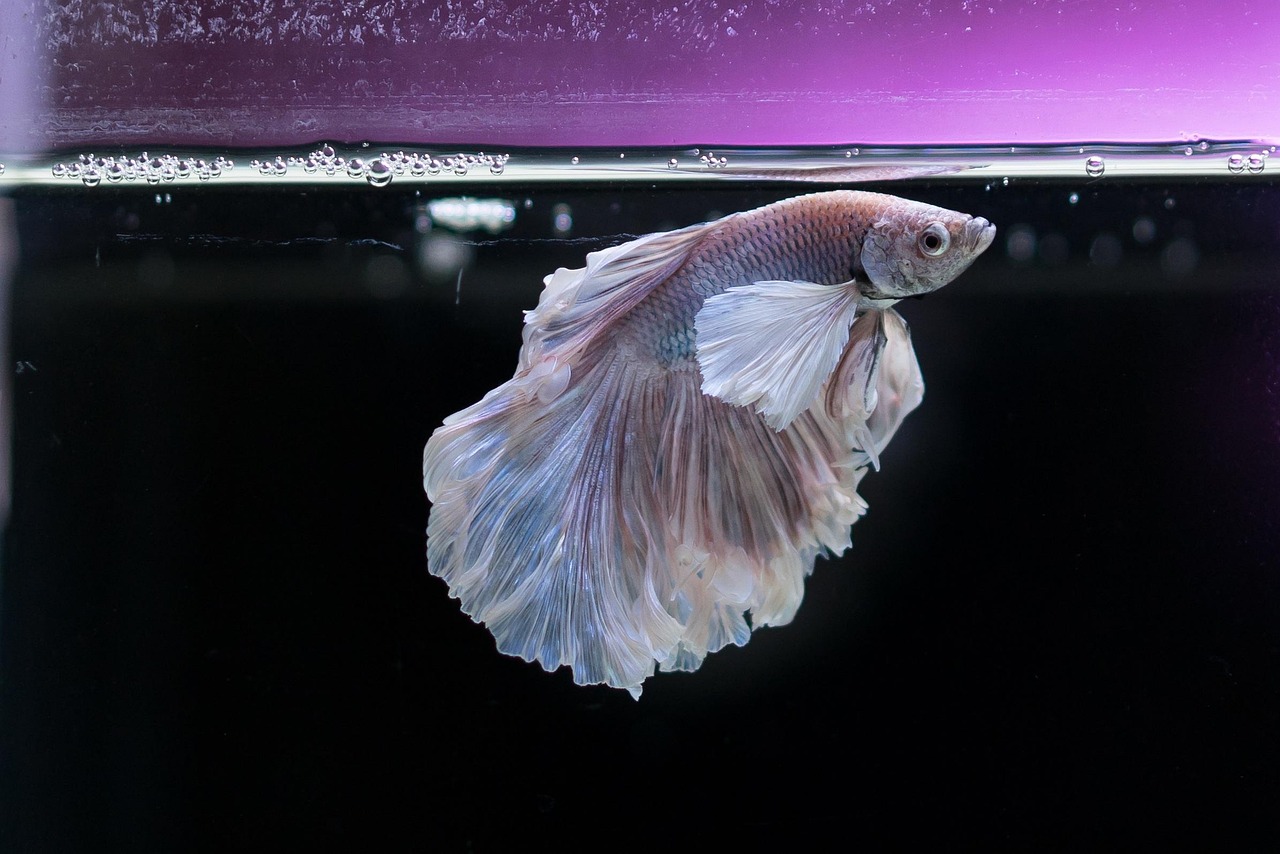
Fin rot is the most common ailment betta keepers face, and in Singapore’s warm climate where bacterial growth accelerates, it can progress alarmingly fast if left unchecked. The good news: caught early, fin rot is entirely treatable and bettas can regrow their magnificent finnage fully. This treat fin rot betta guide from Gensou Aquascaping at 5 Everton Park, Singapore, covers identification, treatment stages, and prevention so your betta stays healthy and vibrant.
What Causes Fin Rot
Fin rot is a bacterial infection, most commonly caused by Pseudomonas, Aeromonas, or Flavobacterium species. These bacteria exist in every aquarium but only attack fish with compromised immune systems. Poor water quality is the number one trigger — elevated ammonia, nitrite, or nitrate weakens a betta’s natural defences. Stress from small, unfiltered containers, temperature fluctuations, or aggressive tank mates opens the door further. The warm water temperatures in Singapore (28-30 degrees C ambient) mean bacteria multiply rapidly once conditions deteriorate.
Identifying Fin Rot Early
Early-stage fin rot shows as slightly ragged or fraying fin edges, often with a thin white or translucent rim. The fin membrane between rays begins receding unevenly. At this stage, the damage is purely cosmetic and highly reversible. Moderate fin rot presents as noticeably shorter fins with dark or reddish edges — the bacteria have penetrated deeper. Advanced fin rot reaches the fin base, causing tissue to disintegrate into the body. Catching it early makes the difference between a simple water-change fix and a prolonged medication course.
Step One: Improve Water Quality
Before reaching for medication, address the root cause. Perform an immediate 50% water change with dechloraminated, temperature-matched water. Test for ammonia, nitrite, and nitrate — all should read zero, zero, and below 20 ppm respectively. If your betta is in an unfiltered bowl or vase, this is the moment to upgrade to a proper filtered tank of at least 10 litres. A small sponge filter provides gentle biological filtration without creating currents that stress long-finned varieties. Clean water alone resolves mild fin rot within one to two weeks.
Step Two: Salt Treatment for Mild Cases
Aquarium salt (not table salt or marine salt) at a dose of 1 teaspoon per 10 litres creates a mildly antiseptic environment that inhibits bacterial growth while the fish’s immune system handles recovery. Dissolve the salt in a cup of tank water before adding it gradually. Maintain this concentration for 7-10 days, replacing the proportional amount of salt with each water change. Salt is safe for bettas but harmful to live plants and shrimp, so treat in a hospital tank if your betta lives in a planted community setup.
Step Three: Medication for Moderate to Severe Cases
When fin erosion progresses beyond mild fraying, medication becomes necessary. Products containing methylene blue, erythromycin, or kanamycin target the gram-negative bacteria responsible. Follow dosing instructions precisely — overdosing stresses an already weakened fish. Locally, antibacterial fish medications are available at aquarium shops around Serangoon North and online through Shopee for $8-20 SGD. Indian almond leaves added to the treatment tank provide mild antibacterial tannins and reduce stress. Continue treatment for the full recommended duration even if improvement appears quickly.
Supporting Recovery
During treatment, maintain water temperature at a stable 27-28 degrees C to support immune function without accelerating bacterial growth excessively. Feed small, high-quality meals of frozen bloodworms, daphnia, or premium betta pellets — nutrition fuels the energy-intensive process of fin regeneration. Avoid overfeeding, which fouls the water and undermines your treatment efforts. Dim the lighting slightly to reduce stress. A recovering betta should show signs of new fin growth — clear, translucent tissue at the edges — within one to two weeks of effective treatment.
Preventing Recurrence
Consistent water maintenance prevents virtually all fin rot cases. Perform 25-30% water changes weekly in filtered tanks, or 50% twice weekly in smaller setups. Use a liquid test kit monthly to catch parameter drift early. Avoid sharp plastic decorations that tear delicate betta fins, creating entry points for bacteria — smooth driftwood, silk plants, or live plants are safer. Keep the tank covered to prevent temperature drops from air conditioning at night, a common issue in Singapore bedrooms.
Full Fin Regrowth Timeline
Bettas regrow fins slowly but completely if the infection is resolved before it reaches the body. Expect translucent new growth visible within 2-3 weeks, with full colour returning over 6-12 weeks depending on the extent of damage. The new growth may appear lighter or slightly different in pattern initially — this is normal. Following this treat fin rot betta guide consistently gives your betta the best chance of a complete recovery, returning its finnage to full, flowing glory.
Related Reading



