
Honey Gourami vs Dwarf Gourami: Temperament, Size and Hardiness
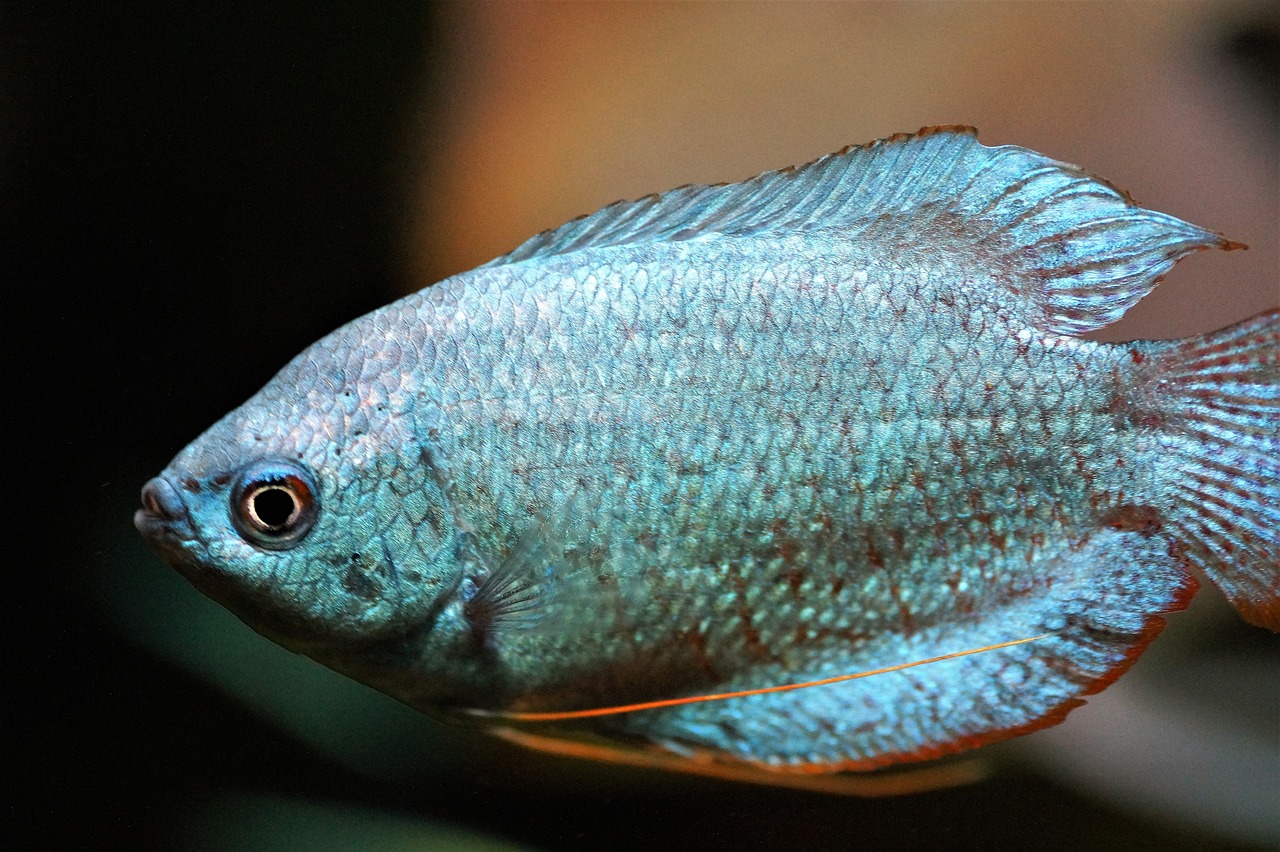
Choosing between a honey gourami and a dwarf gourami is one of the most common dilemmas facing community tank keepers in Singapore. Both species are colourful labyrinth fish that thrive in warm, soft water, yet they differ sharply in honey gourami vs dwarf gourami comparison points like temperament, adult size and vulnerability to disease. This guide from Gensou Aquascaping at 5 Everton Park, Singapore draws on over 20 years of hands-on experience to help you pick the right gourami for your setup.
Size and Appearance at a Glance
The honey gourami (Trichogaster chuna) tops out at around 5 cm, making it genuinely nano-tank friendly. Males develop a rich amber-to-burnt-orange body with a dark throat blaze during breeding condition. Dwarf gouramis (Trichogaster lalius) grow noticeably larger at 7-8 cm and come in several selectively bred colour morphs including neon blue, flame red and powder blue. If your tank is 40 litres or smaller, the honey gourami is usually the more practical choice.
Temperament and Tank Mate Compatibility
Honey gouramis are among the most peaceful freshwater fish available. They rarely nip fins, seldom squabble even in pairs, and coexist happily with shrimp as small as cherry reds. Dwarf gouramis can be territorial, especially males kept together in tight quarters. A single male dwarf gourami in a 60-litre community tank is typically fine, but adding a second male often leads to persistent chasing. For densely planted setups housing small rasboras or pygmy corydoras, the honey gourami is far less likely to cause stress.
Water Parameters for Singapore Tap Water
Singapore’s PUB tap water sits at roughly GH 2-4 and a slightly acidic to neutral pH, which suits both species well. Neither fish typically needs a heater in local conditions since ambient room temperature in HDB flats and condos hovers between 28-31 degrees C year-round. If you keep your tank in an air-conditioned room that drops below 24 degrees C at night, a small 25 W heater provides adequate insurance for either species.
The Dwarf Gourami Disease Problem
Dwarf gourami iridovirus (DGIV) is the elephant in the room. This viral infection is widespread in mass-bred stock from Southeast Asian farms, and there is no known cure. Symptoms include lethargy, loss of colour, and sudden death weeks after purchase. Honey gouramis are not susceptible to DGIV, which gives them a significant advantage in long-term survivability. When buying dwarf gouramis locally, inspect them carefully at the shop, avoid specimens that look pale or lethargic, and quarantine for at least two weeks.
Feeding and Diet Preferences
Both species accept a similar diet of quality micro pellets, frozen bloodworms and daphnia. Honey gouramis have smaller mouths, so crush larger pellets or choose a granule size under 1 mm. Dwarf gouramis handle standard community pellets without trouble. Live foods like baby brine shrimp bring out the best colour in both species and are easy to hatch at home with a simple DIY brine shrimp setup costing under $15 on Shopee.
Breeding Difficulty
Both gouramis are bubble-nest builders, but honey gouramis breed more readily in community settings. The male constructs a fragile nest at the surface among floating plants like Salvinia or water lettuce. Dwarf gouramis also build nests, though their larger size and aggression during spawning can disrupt tank mates. For a first-time breeding project in a nano tank, honey gouramis offer a gentler introduction to labyrinth fish reproduction.
Price and Availability in Singapore
Standard honey gouramis retail for $2-4 each at most local fish shops around the Serangoon North area, while dwarf gouramis range from $4-8 depending on the colour morph. Premium variants like the sunset honey gourami or neon blue dwarf gourami sit at the higher end. Both species are always in stock across Singapore, so availability is never an issue. Check Carousell for hobbyist-bred stock, which tends to be healthier than mass-imported fish.
Which Gourami Should You Choose?
If you value a peaceful, hardy fish for a smaller tank with minimal disease risk, the honey gourami is the stronger pick. Dwarf gouramis reward keepers who want bolder colours and a slightly larger centrepiece fish, provided you source healthy stock and accept the DGIV gamble. Either way, both species thrive in Singapore’s warm, soft water with minimal fuss, making them perennial favourites among local hobbyists at Gensou Aquascaping and beyond.
Related Reading



