
Bristlenose Pleco Diet and Feeding Guide: Algae, Veggies and Wood
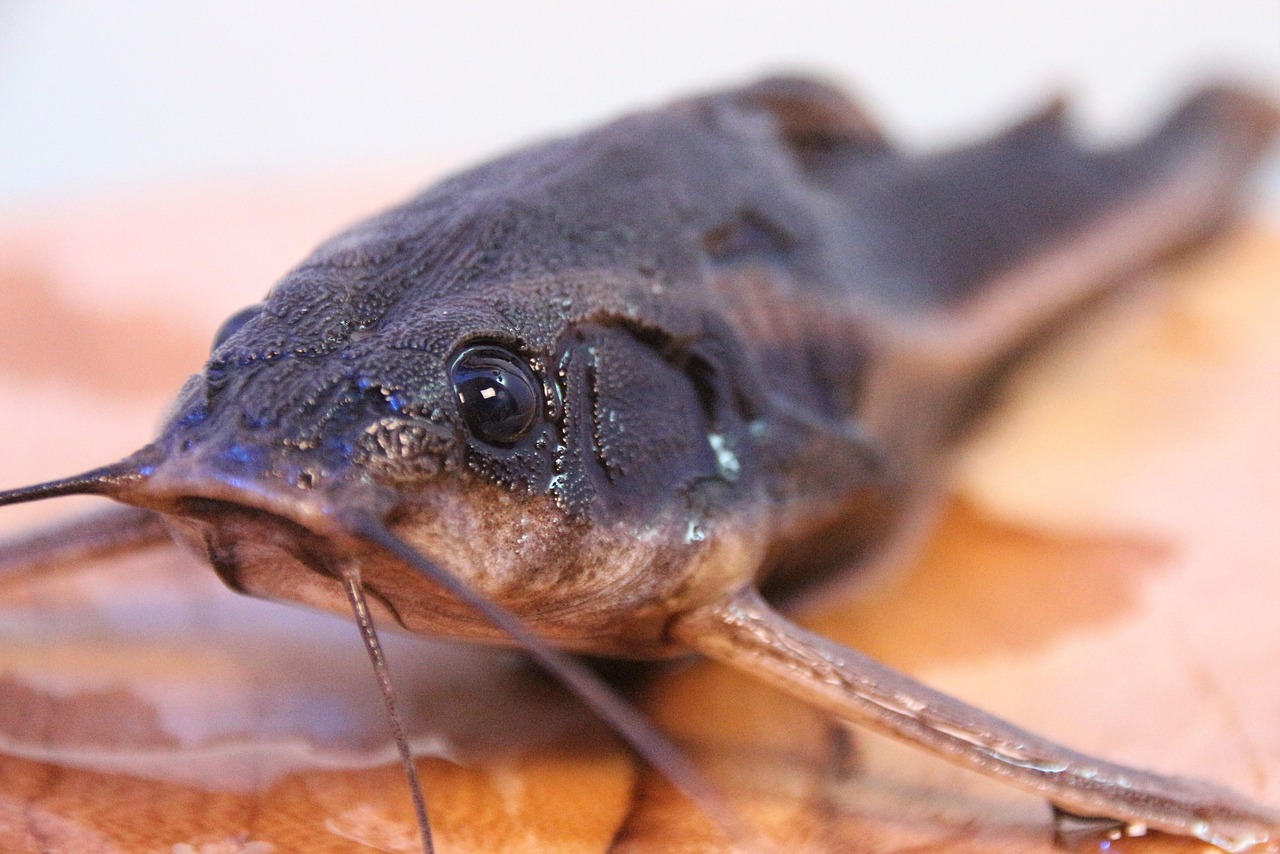
The bristlenose pleco (Ancistrus sp.) is one of the most popular algae-eating catfish in the hobby, yet many keepers underfeed them or offer the wrong foods. A proper bristlenose pleco diet feeding guide covers far more than dropping an algae wafer into the tank each night. At Gensou Aquascaping, 5 Everton Park, Singapore, we have kept and bred bristlenose plecos for over two decades and can confirm that a varied diet is the key to healthy growth, vibrant colour and successful spawning.
Why Algae Alone Is Not Enough
A common myth is that bristlenose plecos survive entirely on tank algae. In reality, most aquariums simply do not produce enough biofilm and green algae to sustain a growing pleco past juvenile size. An adult bristlenose reaches 12-15 cm and has a substantial appetite. Without supplemental feeding, you will notice a concave belly, faded colour and sluggish behaviour within weeks.
Algae Wafers and Sinking Pellets
High-quality sinking wafers form the staple of any captive bristlenose diet. Look for brands where spirulina or kelp appears in the first three ingredients, and avoid wafers bulked out with wheat flour. Feed one wafer per pleco every evening, adjusting quantity based on how quickly it disappears. Hikari Algae Wafers and Northfin Kelp Wafers are both widely available in Singapore for around $8-14 per tub on Shopee or at local fish shops along Serangoon North Avenue 1.
Blanched Vegetables: A Vital Supplement
Fresh vegetables offer fibre and micronutrients that processed foods lack. Zucchini rounds, peeled cucumber slices and blanched romaine lettuce are all eagerly accepted. Blanch the vegetable in boiling water for 30-60 seconds so it sinks, then skewer it on a stainless steel veggie clip or weigh it down with a plant weight. Remove uneaten portions after 12 hours to prevent fouling. Sweet potato and pumpkin also work well and add beneficial carotenoids for colour development.
The Importance of Driftwood
Bristlenose plecos are among the few aquarium fish that genuinely require access to wood. They rasp the surface to ingest lignin and cellulose, which aids digestion. Malaysian driftwood and spider wood are readily available locally and cost between $5-30 depending on size. If your pleco is not rasping wood, check that the piece is genuine hardwood and not a resin decoration. You will know it is working when you see fine sawdust-like waste in the substrate near the wood.
Protein Foods for Growth and Breeding
While primarily herbivorous, bristlenose plecos benefit from occasional protein. Frozen bloodworms, sinking shrimp pellets and blanched prawns offered once or twice a week support growth in juveniles and egg production in females. Overfeeding protein leads to bloating and poor water quality, so keep portions small. A single cube of frozen bloodworm split across the tank is ample for two or three adult plecos.
Feeding Schedule and Quantity
Bristlenose plecos are nocturnal feeders, so drop food in just after lights-out for the best response. A practical weekly schedule might look like this: algae wafers on four nights, blanched vegetables on two nights, and a protein treat on one night. Juveniles under 5 cm benefit from daily feeding to support rapid growth, while adults do well with a single rest day per week. Monitor belly shape regularly; a gently rounded underside indicates good nutrition.
Common Feeding Mistakes
Relying solely on algae growth tops the list of errors. Another frequent mistake in Singapore is feeding during the hottest part of the afternoon when dissolved oxygen dips. Uneaten food at 30 degrees C decomposes rapidly, spiking ammonia. Overfeeding wafers is also problematic; if you find intact wafer remnants the next morning, reduce your portion. Finally, never use copper-based medications in a tank housing plecos, as catfish are exceptionally sensitive to copper.
Signs of a Well-Fed Bristlenose
A healthy bristlenose pleco has a smoothly rounded belly, actively rasps surfaces at night, and displays rich dark colouration with clearly defined spots. Males develop prominent forked bristles on the snout from around 6 months of age, and well-fed females will plump with eggs visibly when conditioned for breeding. With the right diet, these hardy catfish routinely live 10-15 years, making them one of the most rewarding long-term residents in any community tank.
Related Reading
- Albino Bristlenose Pleco Care Guide: Pale and Popular
- How to Breed Bristlenose Plecos: Caves, Fry and Tips
- Bristlenose Pleco Colour Morphs: Albino, Super Red and Longfin
- Clown Pleco vs Bristlenose Pleco: Size, Diet and Algae Eating
- Rope Fish Feeding and Diet Guide: What Do Ropefish Actually Eat?
Bristlenose plecos are grazers, but their pricier cousin eats quite differently — see our Zebra Pleco L46 diet guide for how to feed this protein-leaning species.



