
Sparkling Gourami vs Honey Gourami: Nano Gourami Compared
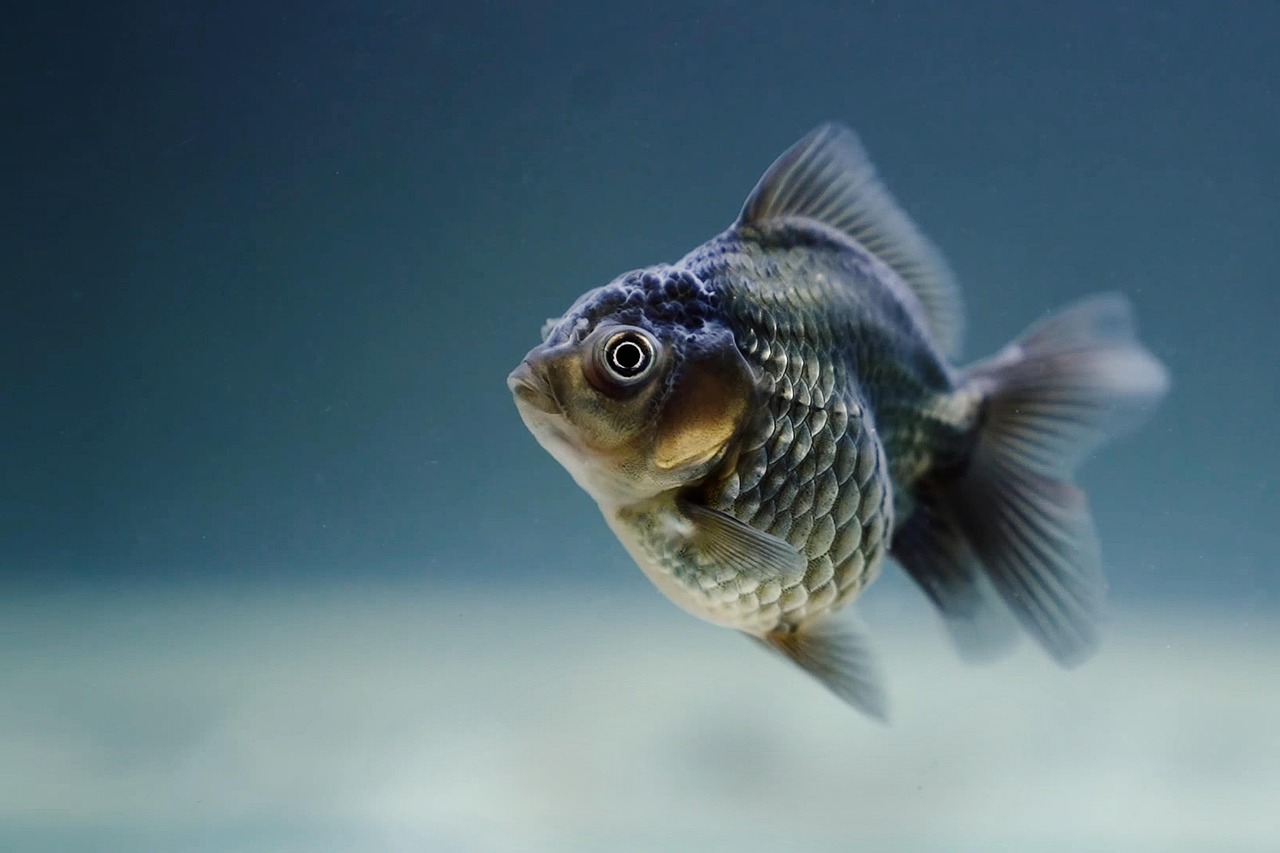
Both fit comfortably in a nano planted tank, both are peaceful and both display remarkable personality for their size. Yet the sparkling gourami vs honey gourami comparison reveals enough differences to make your choice matter. Gensou Aquascaping at 5 Everton Park, Singapore has kept both species extensively, and this guide highlights what each brings to a small aquarium setup.
Size and Physical Appearance
The sparkling gourami (Trichopsis pumila) is one of the smallest gouramis available, maxing out at around 3.5 cm. Its body shimmers with iridescent blue-green speckles over a brown base, and its eyes gleam electric blue under direct light. The honey gourami (Trichogaster chuna) is noticeably larger at 5 to 7 cm. Males in breeding colour display a rich golden-orange body with a dark throat and ventral fins. Females of both species are subtler in colouration.
Tank Size Requirements
Sparklers thrive in tanks as small as 20 litres for a pair or trio. Honeys need a bit more room; 40 litres is a comfortable minimum for a pair. Both appreciate dense planting, floating plants and subdued lighting. Sparklers in particular do poorly in bare, brightly lit tanks, retreating to corners and losing colour. If your space is limited to a desktop nano, the sparkling gourami is the better fit.
Behaviour and Temperament
Sparkling gouramis are famous for their croaking sound, an audible clicking produced during social interactions and territorial displays. It is surprisingly loud for such a tiny fish and endlessly entertaining. They are mildly territorial among themselves but rarely cause harm. Honey gouramis are gentler still, among the most peaceful community fish available. Males occasionally spar with slow, balletic displays, but aggression is almost non-existent.
Both species are timid around boisterous tankmates. Pair either with calm, small fish like rasboras, small tetras or corydoras.
Water Parameters
Sparklers prefer soft, acidic water: pH 5.5 to 7.0, GH 2-8. They do particularly well in tannin-stained blackwater setups. Honeys are more adaptable, comfortable in pH 6.0 to 7.5 and GH 4-12. Singapore’s tap water suits both species after dechlorination, though sparklers benefit from the addition of Indian almond leaves to lower pH slightly. Temperature-wise, both thrive at 24 to 28 degrees C, perfectly aligned with local ambient conditions.
Feeding
Both species accept a wide range of foods. High-quality micro pellets or crushed flake make a good staple. Sparkling gouramis are more enthusiastic about live and frozen foods; daphnia and baby brine shrimp bring out their best colour. Honey gouramis eat almost anything offered, including algae wafers and blanched vegetables. Feed twice daily in small amounts. Their small stomachs mean overfeeding leads to bloat and water quality problems quickly.
Breeding Differences
Both build bubble nests, a hallmark of gourami reproduction. Sparkling gouramis construct small, inconspicuous nests among floating plants, and the male guards eggs and fry for several days. Clutch size is typically 10 to 40 eggs. Honey gouramis build larger, more elaborate nests and can produce 200 or more eggs per spawn. Breeding honeys is straightforward in a dedicated tank; breeding sparklers requires more attention to soft water conditions and very small first foods for the tiny fry.
Colour and Display Value
Under the right lighting, sparkling gouramis produce a subtle, jewel-like shimmer that photographs beautifully. Their appeal is understated. Honey gouramis offer bolder, warmer colour that is visible from across a room. For a planted tank centrepiece in a living room or office, the honey gourami makes a stronger visual statement. For a close-up nano tank on a desk, the sparkling gourami rewards careful observation.
Availability and Cost in Singapore
Sparkling gouramis are widely available at $2 to $4 each. Honey gouramis cost $3 to $6, with the sunset or red-gold variants occasionally priced higher. Both are stocked regularly at Serangoon North area shops and C328 Clementi. Avoid purchasing so-called honey gouramis that appear bright orange or red throughout the body; these are often dyed or mislabelled thick-lipped gouramis. True honeys have a soft golden tone with a characteristic dark lateral stripe in relaxed individuals.
Related Reading



