
Fire Red Cherry Shrimp Selective Breeding: From Sakura to Painted
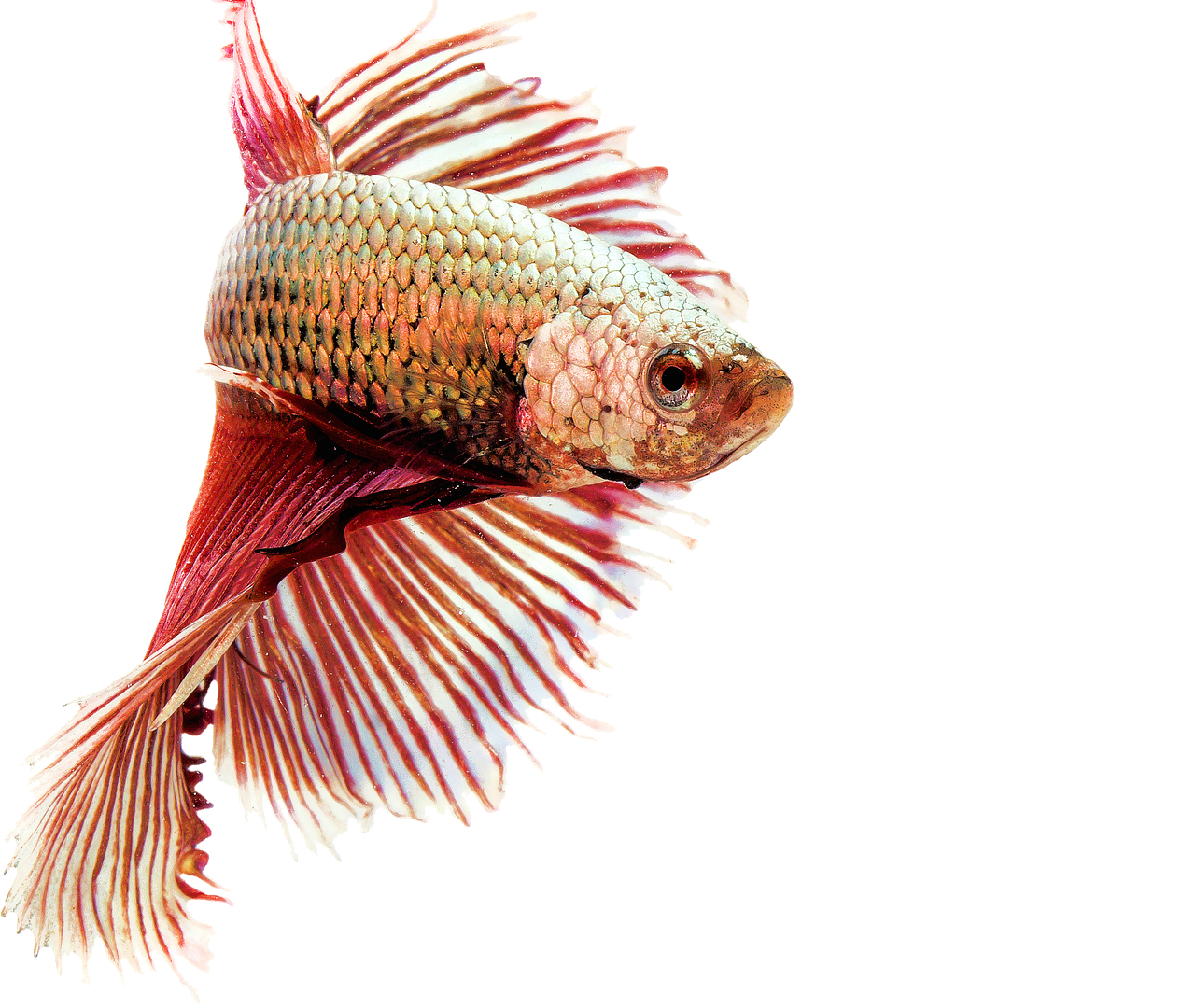
Cherry shrimp (Neocaridina davidi) come in a spectrum of red intensity, from pale wild-type females to the opaque, deep crimson of painted fire red specimens. A proper fire red cherry shrimp selective breeding guide explains how to systematically improve colour grade over successive generations. Gensou Aquascaping at 5 Everton Park, Singapore has been selectively breeding cherry shrimp for years, and the process is accessible to any hobbyist willing to invest patience and a few extra tanks.
Understanding the Grading Scale
Cherry shrimp colour grades typically run from lowest to highest: wild-type (translucent with red specks), cherry (light red patches), sakura (solid red body with some translucent areas), fire red (deep solid red across the body) and painted fire red (opaque red covering legs, swimmerets and even the head with no translucent patches). Each step up the scale represents greater pigment density and more consistent coverage. Grading is somewhat subjective, but most breeders agree on these general categories.
Setting Up a Selective Breeding Colony
Start with the highest-grade shrimp you can afford. A colony of 15-20 fire red or high-sakura grade shrimp gives a solid genetic foundation. House them in a dedicated 20-30 litre tank with a mature sponge filter, a thin layer of inert substrate and plenty of moss or Taxiphyllum barbieri for biofilm grazing. Avoid housing breeding colonies in community tanks where you cannot control which shrimp breed together.
Culling: The Essential Step
Selective breeding requires culling, which means removing lower-grade individuals from the breeding colony and relocating them to a separate tank. Every generation produces a range of colour quality. By keeping only the top 30-40% in the breeding tank and moving paler individuals out, you concentrate the genetics for deeper red pigment over time. Cull shrimp make excellent residents for planted community tanks, so nothing goes to waste. Many Singapore breeders sell their cull-grade shrimp on Carousell at $1-2 each.
Selecting Breeders: What to Look For
Examine potential breeders under consistent lighting, ideally a neutral white LED, to assess colour accurately. Look for shrimp with solid red coverage extending onto the legs and rostrum, not just the body shell. Females are easier to grade because they are naturally larger and show more pigment. Males tend to be paler, so choosing the reddest males you can find has an outsized impact on offspring quality. Flip the shrimp gently using a clear cup to inspect the underside for coverage.
Water Parameters for Optimal Colour
Colour expression in Neocaridina is influenced by both genetics and environment. Soft, slightly acidic water around pH 6.8-7.2 and GH 4-8 supports vibrant colour. Singapore’s PUB tap water at GH 2-4 is slightly soft for ideal neocaridina keeping; adding a mineral supplement like Salty Shrimp GH+ brings parameters into the sweet spot. Temperature should stay between 22-26 degrees C for active breeding. Higher temperatures above 28 degrees C shorten lifespan and may reduce colour vibrancy.
Diet and Colour Enhancement
High-quality food supports both health and pigment development. Alternate between a staple shrimp pellet, blanched spinach, mulberry leaves and occasional protein foods like frozen bloodworm or bee pollen. Astaxanthin-rich foods such as colour-enhancing pellets and spirulina powder boost red pigmentation noticeably over four to six weeks. Avoid overfeeding; shrimp tanks with visible leftover food develop water quality issues quickly. Feed small portions every other day and let biofilm supplement their diet naturally.
Timeline and Expectations
Selective breeding is a multi-generational project. Cherry shrimp produce a new generation roughly every two to three months. Noticeable colour improvement typically emerges after three to four generations of consistent culling, which translates to about nine to twelve months of work. Moving from sakura to fire red grade is achievable within this timeframe. Reaching painted fire red status can take a year or more and demands strict culling standards. Patience separates hobbyists who achieve premium grades from those who plateau.
Avoiding Common Mistakes
Introducing new shrimp of unknown lineage into an established breeding colony is the fastest way to undo months of progress. If you want to refresh genetics, quarantine and grade new stock separately before adding them. Another pitfall is grading shrimp under warm-toned lighting, which makes colours appear richer than they are. Always grade under neutral white light for honest assessment. Finally, keep colony size manageable; overcrowded tanks stress shrimp and make individual grading difficult.
Related Reading
- Fire Red Shrimp Care Guide: The Brightest Neocaridina
- Painted Fire Red Shrimp Care Guide: The Highest Grade Neocaridina
- Amano Shrimp Breeding Challenges: Larval Stages and Saltwater Phase
- Amano Shrimp vs Cherry Shrimp: Which Is Better for Your Tank?
- Cherry Shrimp Colour Grading Guide: From Lowest to Painted Fire Red



