
Amano Shrimp vs Cherry Shrimp: Which Is Better for Your Tank?
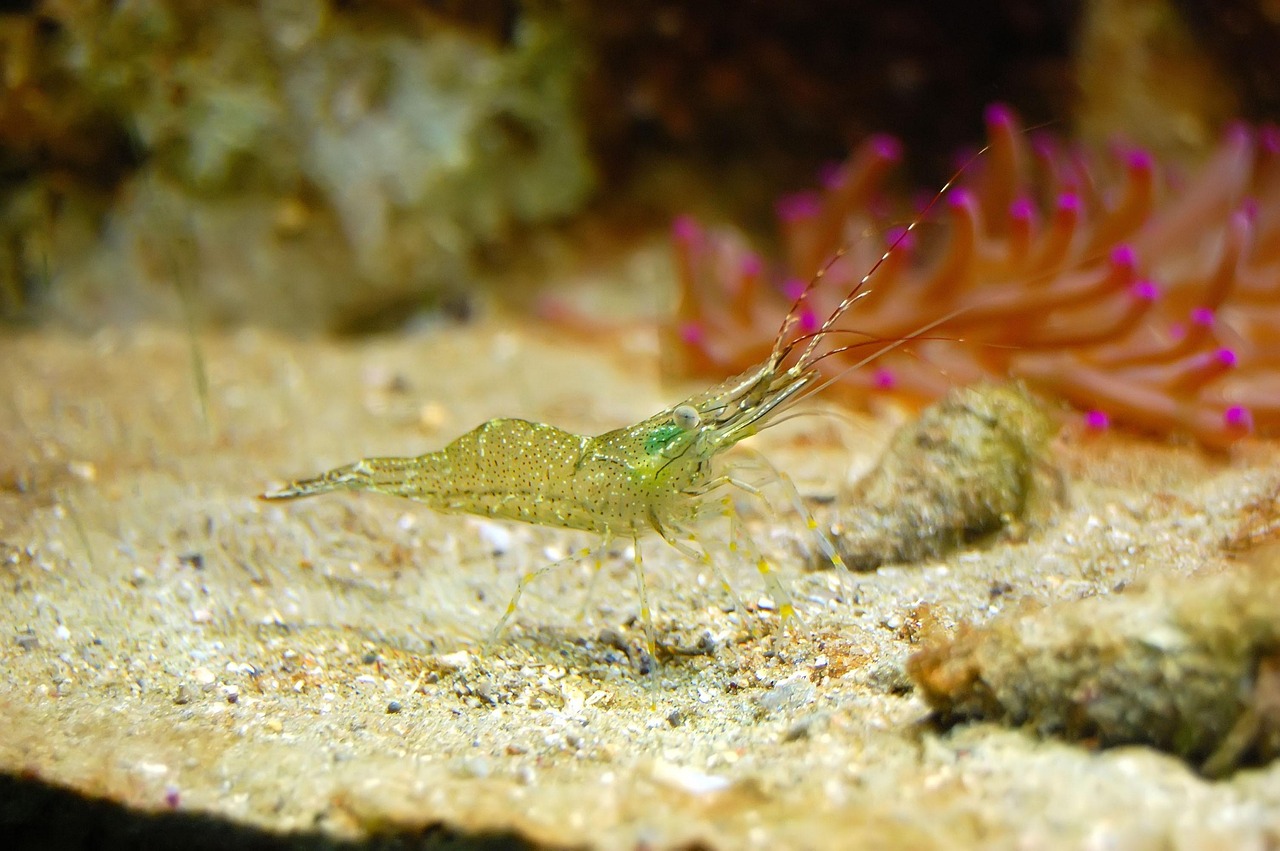
Amano shrimp and cherry shrimp are the two most popular freshwater shrimp in the aquarium hobby, and for good reason. Both are readily available in Singapore, both contribute to tank cleanliness and both add visual interest to planted aquariums. But they are fundamentally different animals suited to different purposes. This detailed comparison will help you decide which is the better choice for your tank, or whether you should keep both.
Quick Comparison Table
| Feature | Amano Shrimp | Cherry Shrimp |
|---|---|---|
| Scientific name | Caridina multidentata | Neocaridina davidi |
| Adult size | 4-6 cm | 2-3 cm |
| Lifespan | 2-3 years | 1-2 years |
| Colour | Transparent grey-green with dots | Red (varies by grade) |
| Algae-eating ability | Excellent (best in class) | Moderate |
| Breeding in freshwater | No (larvae need brackish water) | Yes (breeds readily) |
| Hardiness | Hardy | Very hardy |
| Temperament | Bold, can be pushy at feeding time | Peaceful, timid |
| Cost per shrimp (SG) | $2-5 | $1-3 (grade dependent) |
| Self-sustaining colony | No (must replace) | Yes (colonies grow over time) |
| Minimum group size | 5-6 | 10+ |
| Temperature range | 22-28 C | 18-30 C |
| pH range | 6.5-7.5 | 6.5-8.0 |
Amano Shrimp Profile
The Amano shrimp (Caridina multidentata) was popularised by the legendary aquascaper Takashi Amano, who championed them as the ultimate algae-eating team for planted aquariums. Native to Japan and Taiwan, they are the largest commonly kept freshwater aquarium shrimp, with females reaching up to 6 cm.
Amano shrimp are transparent grey-green with lines of reddish-brown dots running horizontally along the body. Males have evenly spaced dots, while females display elongated dashes rather than round dots. They are not particularly colourful, but their functional value is immense.
Key characteristics of Amano shrimp:
- Voracious algae eaters: they consume a wider range of algae types and in greater quantities than any other commonly available freshwater shrimp
- Bold personality: Amano shrimp are confident, active and unafraid of most tank mates. They will snatch food from fish and even wrestle each other for prized morsels.
- Cannot breed in freshwater: their larvae require brackish to marine conditions to survive, meaning your Amano population will not grow on its own. Every shrimp must be purchased.
- Long-lived: with proper care, they live two to three years, sometimes longer
- Excellent escape artists: Amano shrimp are notorious climbers and will exploit any gap in a tank lid. Ensure your tank is well covered.
Cherry Shrimp Profile
Cherry shrimp (Neocaridina davidi) are the most widely kept ornamental shrimp in the world. Originally from Taiwan and mainland China, selective breeding has produced a range of colour grades from pale pink to deep, opaque red. For more detailed information, see our cherry shrimp care guide.
Cherry shrimp are small, reaching 2-3 cm at most. Their appeal lies in their vivid colour, ease of breeding and remarkably hardy nature. They come in several quality grades:
| Grade | Appearance | Relative Cost |
|---|---|---|
| Cherry (lowest) | Mostly transparent with red patches | $ |
| Sakura | More solid red, some transparency | $$ |
| Fire Red | Solid red body and legs | $$$ |
| Painted Fire Red | Deep, opaque red throughout | $$$$ |
Key characteristics of cherry shrimp:
- Breed readily in freshwater: given reasonable conditions, cherry shrimp breed prolifically, and a small starting group quickly becomes a self-sustaining colony
- Colourful: vibrant red colour adds visual interest to planted tanks, contrasting beautifully against green plants
- Very hardy: cherry shrimp tolerate a wide range of water parameters and temperature, making them arguably the most forgiving shrimp species
- Peaceful: they are non-aggressive and entirely harmless to all tank mates
- Moderate algae eaters: they graze on biofilm and some soft algae but are far less effective than Amano shrimp at tackling established algae
Algae-Eating Ability
This is the category where the two species differ most dramatically:
Amano Shrimp: The Superior Algae Crew
Amano shrimp are, without question, the most effective algae-eating shrimp available. Their larger size means they consume significantly more algae per individual. They tackle a broader range of algae types, including:
- Green hair algae
- Soft green algae on glass and surfaces
- Brush algae (they nibble at it, though do not eliminate it entirely)
- Diatoms
- Film algae
- Decaying plant matter
A team of ten to fifteen Amano shrimp in a planted aquarium provides noticeable algae control. Takashi Amano himself recommended substantial numbers for effective results in aquascaped tanks.
Cherry Shrimp: Grazers, Not Cleaners
Cherry shrimp do eat algae, but their contribution is more about grazing than active cleaning. They pick at biofilm, soft green algae and decaying plant matter. However, they are simply too small and not vigorous enough to make a meaningful dent in a serious algae problem.
Cherry shrimp are better thought of as supplementary grazers that help maintain a clean tank rather than active algae remediation. If you have a significant algae issue, cherry shrimp alone will not solve it.
Breeding Differences
The breeding biology of these two species could not be more different, and this has major practical implications:
Cherry Shrimp: Simple Freshwater Breeding
Cherry shrimp breed readily in standard freshwater aquariums. Females carry eggs under their abdomen for approximately 30 days, then release miniature versions of the adults. The baby shrimp require no special food, feeding on biofilm and micro-organisms from day one. In a mature, well-planted tank, a starting group of ten can grow to a colony of hundreds within six months.
This self-sustaining nature is one of cherry shrimp’s greatest advantages. Once established, a colony maintains itself indefinitely. Losses to old age or predation are continuously replaced by new generations.
Amano Shrimp: Complex Life Cycle
Amano shrimp have a complex larval stage that requires brackish to marine water. Females carry eggs and release tiny larvae, but these larvae cannot survive in freshwater. Raising Amano shrimp larvae requires a separate brackish-water setup with specific salinity, specialised food (phytoplankton) and considerable expertise. Very few hobbyists successfully breed Amano shrimp.
The practical consequence is that your Amano shrimp population cannot replenish itself. When shrimp die of old age (after two to three years), you must purchase replacements. This makes Amano shrimp an ongoing expense rather than a one-time investment.
Cost and Value
Consider the long-term economics:
| Factor | Amano Shrimp | Cherry Shrimp |
|---|---|---|
| Initial cost for 10 | $20-50 | $10-30 |
| Replacement cost over 3 years | $20-50 (full replacement) | $0 (self-breeding) |
| Colony growth | None | 10 become 50-200+ in 6 months |
| Excess shrimp | N/A | Can sell or trade |
| Functional value | High (algae control) | Moderate (aesthetic + light grazing) |
Cherry shrimp offer better long-term value if your primary interest is in keeping shrimp as pets. Amano shrimp offer better functional value if your primary concern is algae control in a planted aquascape.
Keeping Them Together
Can you keep Amano shrimp and cherry shrimp in the same tank? Yes, absolutely. They coexist well and occupy similar niches without significant conflict. There are a few considerations:
- Feeding competition: Amano shrimp are larger and bolder, and will dominate food sources. Ensure enough food is available for both species. Scatter food in multiple locations.
- No interbreeding: they are different genera and cannot hybridise
- Predation: Amano shrimp do not prey on cherry shrimp. Despite their size advantage, they are herbivorous grazers, not predators. Even baby cherry shrimp are safe.
- Tank size: in a tank of 40 litres or more with adequate hiding spots, both species coexist comfortably
Many planted tank enthusiasts run both species together, using Amano shrimp for algae control and cherry shrimp for colour and colony-building. This combination offers the best of both worlds.
Which Should You Choose?
The answer depends on your priorities:
Choose Amano Shrimp If:
- Your primary goal is algae control in a planted aquascape
- You want the most effective freshwater algae-eating crew available
- You are not interested in breeding shrimp
- You want bold, active invertebrates that are visible and entertaining
- You are willing to replace them every few years as they age out
Choose Cherry Shrimp If:
- You want colourful, attractive shrimp that add visual interest
- You enjoy watching breeding behaviour and colony growth
- You want a self-sustaining population that does not require ongoing purchases
- You want the most beginner-friendly shrimp experience possible
- You have a nano tank where Amano shrimp might look disproportionately large
- You want shrimp that tolerate Singapore’s warm temperatures with ease
Choose Both If:
- You have a medium to large planted tank (60+ litres)
- You want effective algae control alongside the visual appeal of coloured shrimp
- You enjoy watching different invertebrate behaviours and interactions
Singapore-Specific Considerations
Both species do well in Singapore, but there are local factors to consider:
- Temperature: cherry shrimp tolerate Singapore’s 28-32 C ambient range exceptionally well. Amano shrimp prefer slightly cooler conditions (below 28 C) and may have a shorter lifespan at consistently warm temperatures. In air-conditioned rooms, both species thrive.
- Water hardness: Singapore’s soft tap water suits both species, though cherry shrimp prefer slightly harder water for healthy moulting. Adding a small amount of crushed coral or a GH-raising supplement benefits both species.
- Chloramine: PUB uses chloramine in Singapore’s water supply. Always use a dechlorinator that neutralises chloramine. Shrimp are more sensitive to chloramine than fish, and even trace amounts can cause casualties, particularly in smaller tanks.
- Availability: both species are readily available from aquarium shops across Singapore. Cherry shrimp are available in various grades, from basic cherry to high-grade painted fire red.
- HDB and condo suitability: both species are ideal for smaller living spaces. A planted nano tank with cherry shrimp on a desk or shelf is one of the most practical aquarium setups for compact Singapore homes.
Frequently Asked Questions
Will Amano shrimp eat cherry shrimp?
No. Amano shrimp are herbivorous grazers, not predators. They will not attack, kill or eat cherry shrimp, including babies. The two species coexist peacefully. Amano shrimp may push cherry shrimp away from a particularly desirable piece of food, but this is food competition, not predation.
How many Amano shrimp do I need for algae control?
A commonly cited guideline is one Amano shrimp per 4-5 litres of tank water for effective algae control. For a 60-litre planted tank, ten to fifteen Amano shrimp is a good starting point. This may seem like a lot, but their collective impact on algae is substantial, and they have a negligible bioload relative to their usefulness.
Why are my cherry shrimp not breeding?
Common causes in Singapore include: water temperature too high (above 30 C reduces breeding), inadequate mineral content in soft tap water (add GH supplement for moulting), water quality issues (test for ammonia and nitrite), lack of biofilm (mature tanks breed better), copper contamination from medications or tap water, and insufficient hiding spots for berried females and babies.
Can cherry shrimp survive Singapore’s temperatures without a chiller?
Yes. Cherry shrimp are remarkably tolerant of warm water, handling 28-30 C without difficulty. At temperatures consistently above 30 C, breeding slows and lifespan shortens, but the shrimp survive. Keeping the tank away from direct sunlight and ensuring good water circulation help keep temperatures manageable in unconditioned HDB and condo spaces.
Build Your Perfect Shrimp Setup
Whether you choose Amano shrimp for their unmatched algae-eating prowess, cherry shrimp for their colour and breeding appeal, or both for the ultimate combination, shrimp add a fascinating dimension to any planted aquarium. For expert advice on shrimp keeping, planted tank design or custom aquarium builds, contact our team at Gensou at 5 Everton Park. With over 20 years of aquascaping experience, we can help you create a shrimp-friendly setup that thrives in Singapore conditions. Browse our shop for shrimp supplies, plants and equipment.
Related Reading
- Cherry Shrimp vs Amano Shrimp: Which Cleaner Suits Your Tank?
- Amano Shrimp Breeding Challenges: Larval Stages and Saltwater Phase
- How to Breed Amano Shrimp: The Challenging but Rewarding Process
- Amano Shrimp vs Otocinclus: Which Algae Crew Wins?
- Cherry Shrimp Colour Grading Guide: From Lowest to Painted Fire Red



