
Plakat Betta vs Halfmoon Betta: Fin Type, Health and Activity
Singapore’s betta scene is thriving, but many new keepers struggle to choose between the two most popular fin types. A careful plakat betta vs halfmoon betta comparison reveals that the differences go far beyond aesthetics — affecting health, lifespan, and how you set up your tank. Gensou Aquascaping at 5 Everton Park, Singapore, has worked with both varieties extensively and can help you decide.
Understanding Fin Types
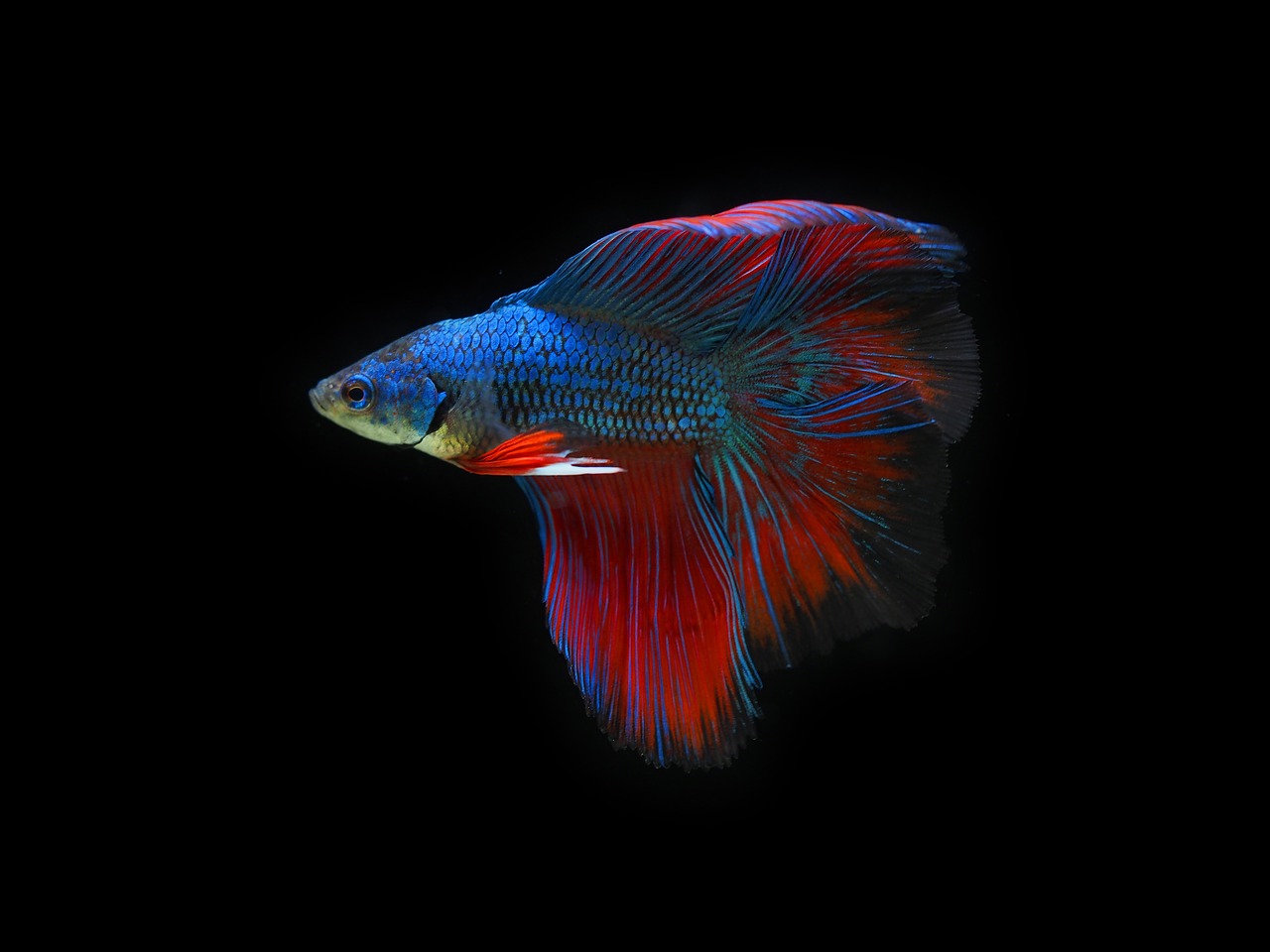
Plakat bettas have short, compact fins closer to wild Betta splendens morphology. The caudal fin is rounded or slightly pointed, and the overall finnage is proportional to the body. Halfmoon bettas have been selectively bred for dramatic fin spread — their tail fans a full 180 degrees when flared, creating a stunning semicircle of flowing tissue.
These two extremes of fin development produce very different fish in terms of day-to-day behaviour and care requirements.
Activity Level and Swimming Ability
Plakat bettas are active, agile swimmers. They patrol their territory with purpose, dart after food, and can navigate through plant stems and hardscape with ease. Halfmoon bettas, burdened by their enormous finnage, swim in shorter bursts and rest frequently. Long flowing fins create significant drag, and you will often see halfmoons perched on leaves or decorations to conserve energy.
In a planted aquascape, this difference is striking. Plakats engage with their environment like curious explorers, while halfmoons drift gracefully but tire quickly.
Health and Fin Damage Risks
Halfmoon bettas are significantly more prone to fin rot, fin tearing, and tail biting. The sheer weight and surface area of their fins makes them vulnerable to bacterial infections, especially in less-than-pristine water. Sharp decorations, rough driftwood edges, or even strong filter outflow can tear delicate fin tissue. Plakat bettas, with their compact fins, rarely suffer these issues.
Tail biting — where the betta chews its own fins out of stress or boredom — is far more common in halfmoons. Once the habit starts, it can be extremely difficult to stop. Plakats almost never develop this behaviour.
Tank Setup Considerations
Both varieties need a minimum of 10 litres, though 20 litres or more allows better enrichment. For halfmoons, avoid any decoration with sharp edges. Sand substrate, smooth stones, and broad-leaved plants like Anubias barteri and Java fern provide safe resting spots. Filter outflow should be baffled or reduced to prevent the betta from being pushed around by current.
Plakats tolerate moderate flow and can handle a wider variety of tank layouts. They are the better choice for aquascaped tanks with intricate hardscape where snag risks exist.
Temperature and Singapore Climate
Both betta types thrive at 26-30 degrees C, which aligns perfectly with Singapore’s ambient temperature. In most HDB flats and condos, no heater is necessary. During cooler periods (rare, but occasionally dipping to 24 degrees C at night with air conditioning), a small 25W heater provides insurance. Halfmoons are slightly more sensitive to temperature swings due to their compromised immune response from extreme breeding.
Lifespan and Long-Term Health
Plakat bettas typically live 3-5 years with good care, occasionally longer. Their genetics are closer to wild type, resulting in stronger immune systems and better overall vigour. Halfmoon bettas average 2-4 years, with many developing chronic fin issues or organ problems linked to generations of selective breeding for exaggerated features.
This is not to say halfmoons cannot live long, healthy lives. Meticulous water quality — weekly 30-40% water changes, low bioload, and stable parameters — gives them the best chance.
Personality and Display Value
Plakats tend to be feistier and more responsive to their owners. They flare readily, follow your finger along the glass, and display genuine curiosity. Halfmoons are often calmer and more reserved, but their flare display is undeniably dramatic — that perfect 180-degree tail spread is the reason many keepers choose them in the first place.
At local betta competitions and exhibitions in Singapore, both types have dedicated followings. Plakats are judged on body form and colour intensity, while halfmoons are evaluated on fin symmetry and spread.
Which Betta Suits You
This plakat betta vs halfmoon betta comparison comes down to priorities. If you want an active, hardy fish that thrives in a planted aquascape with minimal fuss, the plakat is superior. If you are drawn to the flowing elegance of long fins and are willing to invest extra effort in water quality and tank design, a halfmoon rewards you with unmatched visual drama. Both are widely available in Singapore, with plakats from $5 and quality halfmoons from $15-50 depending on colour and lineage.
Related Reading



