Aquarium for Language Schools in Singapore: Learn and Observe
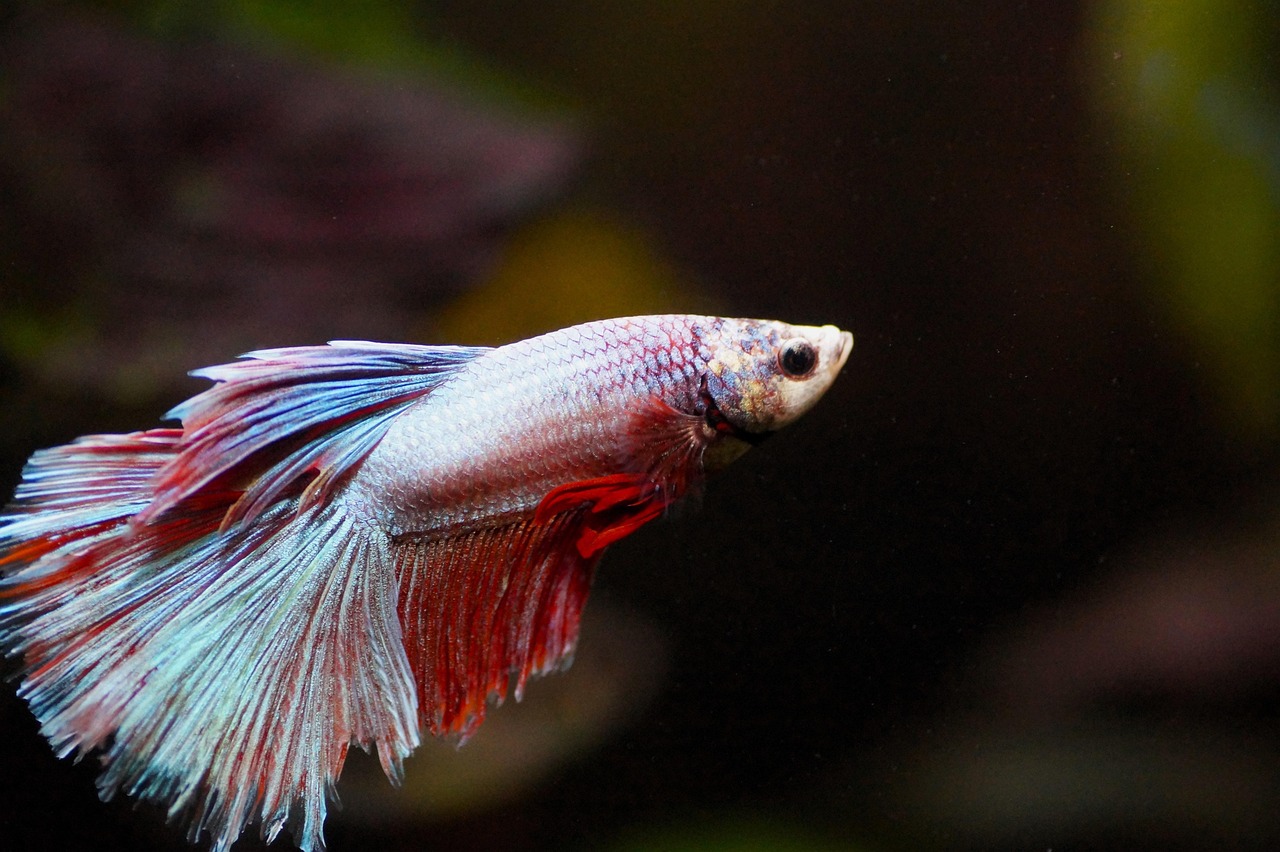
Language schools in Singapore serve students of all ages, from pre-schoolers learning Mandarin to adults tackling Japanese or Korean. An aquarium in a language school in Singapore creates a calming focal point that reduces anxiety before tests, inspires descriptive vocabulary and gives young learners a living subject to talk about. Gensou Aquascaping at 5 Everton Park has installed educational aquariums for over 20 years and understands how to balance visual impact with the practical constraints of a school environment.
Educational Value of a Classroom Aquarium
Fish provide a springboard for vocabulary building across any language. Students learn colours, body parts, actions and descriptive adjectives by observing and discussing what they see. Teachers can build lesson plans around feeding time, new plant growth or the arrival of baby shrimp. For younger students especially, an aquarium turns passive waiting-room time into active observation, and that curiosity carries into the classroom.
Placement and Safety in a School
Position the tank in the reception area or a common corridor where students gather before and between classes. Wall-mounted or recessed tanks eliminate the risk of children bumping into a freestanding cabinet. If a cabinet setup is the only option, secure it to the wall with brackets and ensure it sits on a level, load-bearing surface. Childproof the power points with covers, and use drip loops on every cable to prevent water reaching sockets.
Choosing the Right Tank Size
A 60-90 cm tank holding 60-120 litres provides enough visual interest without dominating a small classroom or hallway. Smaller tanks are harder to maintain in stable condition with the variable air conditioning schedules common in commercial school units. Weight is a consideration in older shophouse conversions; confirm the floor can support 80-150 kg depending on the setup. All-in-one tanks with integrated filtration compartments reduce external plumbing and keep the installation tidy.
Child-Friendly Species
Colourful, active fish hold attention. Guppies and endlers are ideal since they display vivid colours, breed visibly and are hardy enough to tolerate the inevitable tap on the glass from a curious five-year-old. Corydoras catfish (Corydoras paleatus or Corydoras habrosus) scuttle along the bottom and delight children. Cherry shrimp add bright red contrast and their tiny size fascinates young observers. Avoid aggressive or very delicate species that require specialised care beyond what school staff can provide.
Low-Maintenance Plant Choices
Stick to virtually indestructible plants. Anubias barteri attached to driftwood, Java moss on mesh pads and Cryptocoryne wendtii planted in the substrate all grow slowly under moderate light with no CO2 injection. These plants tolerate inconsistent lighting schedules during school holidays without melting or dying back. Floating Salvinia adds a natural canopy effect and absorbs excess nutrients, helping to keep algae at bay between professional maintenance visits.
Maintenance for Non-Experts
School staff should only need to handle daily feeding using an automatic feeder set to dispense once a day. All other maintenance, water changes, glass cleaning, filter servicing and plant trimming, should be handled by a professional on a weekly or fortnightly schedule. In Singapore, maintenance contracts for a 90 cm school aquarium start at around $150-200 per month. Gensou Aquascaping provides service contracts that include emergency call-outs for equipment failures during school hours.
Budget and Justification
A complete 90 cm setup with cabinet, lighting, filtration, plants and fish costs roughly $1,200-2,500 installed. Monthly upkeep runs $150-250 including the maintenance contract and electricity. For a language school competing with dozens of others in any given MRT-adjacent shopping centre, an aquarium is a memorable differentiator that parents and students photograph and share. It signals a thoughtful, nurturing learning environment, exactly the impression a school wants to make.
Related Reading
- Aquarium for Boarding School Dormitories: Rules and Recommendations
- Aquarium for Montessori Schools in Singapore: Learning Through Nature
- Aquarium for Music School Waiting Areas: Calm Before the Lesson
- Aquarium for School Science Labs: Educational and Engaging
- How to Read Fish Body Language: Fins, Colour and Posture