Aquarium for School Science Labs: Educational and Engaging
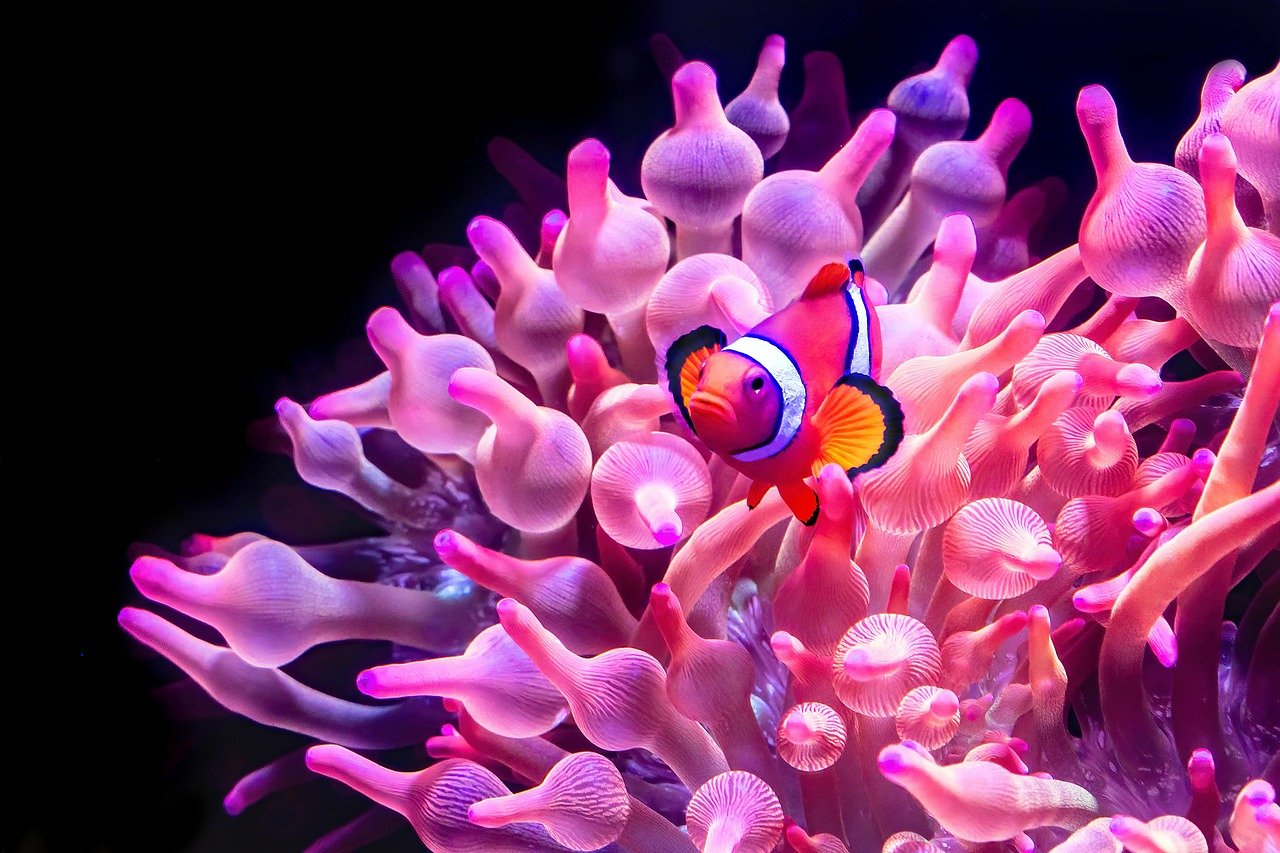
An aquarium in a school science lab turns abstract biology concepts into living, observable reality. Students can witness the nitrogen cycle, food webs, photosynthesis, and animal behaviour first-hand — lessons that stick far longer than textbook diagrams. This aquarium school science lab guide from Gensou Aquascaping at 5 Everton Park, Singapore covers everything from tank selection to curriculum integration, drawing on installations we have completed for schools across the island.
Educational Benefits of a Lab Aquarium
A functioning aquarium is a self-contained ecosystem. Students observe primary producers (plants and algae), consumers (fish and invertebrates), and decomposers (bacteria and snails) interacting in real time. Water testing introduces chemistry concepts — pH, ammonia, nitrite, nitrate — in a context that feels relevant rather than abstract. Behavioural observations, such as territorial displays in cichlids or schooling patterns in tetras, align directly with the MOE science syllabus at primary and secondary levels.
Choosing the Right Tank
A 60-80 litre tank is practical for most classrooms. It is large enough to sustain a stable ecosystem but small enough for students to observe closely and for staff to maintain without specialist training. Acrylic tanks are lighter and shatter-resistant — a meaningful safety advantage in a room full of active students. Position the tank on a sturdy lab bench or dedicated stand, away from windows (to control algae) and doors (to minimise vibration and startling fish).
Hardy, Educational Species
Select species that are resilient, visually engaging, and demonstrate clear biological concepts. Guppies reproduce readily, providing opportunities to discuss genetics, selective breeding, and population dynamics. Corydoras catfish illustrate bottom-dwelling niches and armoured adaptations. Cherry shrimp show moulting, which connects to arthropod biology. A single nerite snail demonstrates radula feeding and algae control. Avoid delicate or aggressive species — the goal is a stable, observable community, not a challenging setup.
Low-Maintenance Plant Selection
Live plants make the aquarium a true ecosystem rather than just a fish tank. Java fern (Microsorum pteropus) and Anubias species attach to wood and rock, require no substrate nutrients, and tolerate low light — perfect for a lab without high-end aquarium lighting. Floating plants like Salvinia grow rapidly and visibly, letting students measure growth rates as a simple experiment. These species thrive in Singapore’s warm ambient temperatures without a heater, simplifying equipment needs.
Filtration and Equipment
A sponge filter powered by a small air pump is ideal for a school environment. It is inexpensive ($10-$20), nearly silent, has no moving parts to break, and provides visible biological filtration — students can see detritus collecting on the sponge surface. Pair it with a simple LED light on a timer for consistent photoperiods. Skip CO2 injection and complex dosing regimes; the aim is reliability, not competition-grade plant growth. Total equipment cost for a basic setup runs $150-$250.
Maintenance Schedule for School Terms
Schools face a unique challenge: long holiday breaks with no one on site. Choose a maintenance rhythm that accounts for this. During term, assign student groups to weekly water testing and feeding on a roster — this builds responsibility and provides data for graphing exercises. Perform a 25% water change weekly, ideally as a supervised class activity. Before holidays, reduce feeding, perform a large water change, set lights on a timer, and top up the tank. Hardy species in a well-cycled tank can comfortably go two weeks without intervention.
Budget and Funding
A complete school aquarium setup — tank, stand, filter, light, substrate, hardscape, plants, and livestock — can be assembled for $300-$500. Many Singapore schools fund this through science department budgets or parent-teacher association grants. The cost per student is negligible when spread across classes, and the equipment lasts for years with basic care. Consumables (dechlorinator, fish food, replacement filter sponges) cost under $10 per month.
Curriculum Integration Ideas
Use the aquarium as a springboard for structured inquiry. Students can test how light duration affects algae growth, measure ammonia levels before and after water changes, or observe and sketch fish anatomy. Photography projects documenting tank changes over a semester develop observation skills. For older students, the aquarium supports discussions on biodiversity, invasive species, and conservation. Gensou Aquascaping works with schools in Singapore to design educational setups and can provide guided sessions on aquarium science for student groups.
Related Reading
- Aquarium for Boarding School Dormitories: Rules and Recommendations
- Aquarium for Language Schools in Singapore: Learn and Observe
- Aquarium for Montessori Schools in Singapore: Learning Through Nature
- Aquarium for Music School Waiting Areas: Calm Before the Lesson
- Aquarium as Home Décor: Placement, Styles and Design Tips