How to Aquascape a Tall Tank: Vertical Depth and Proportion
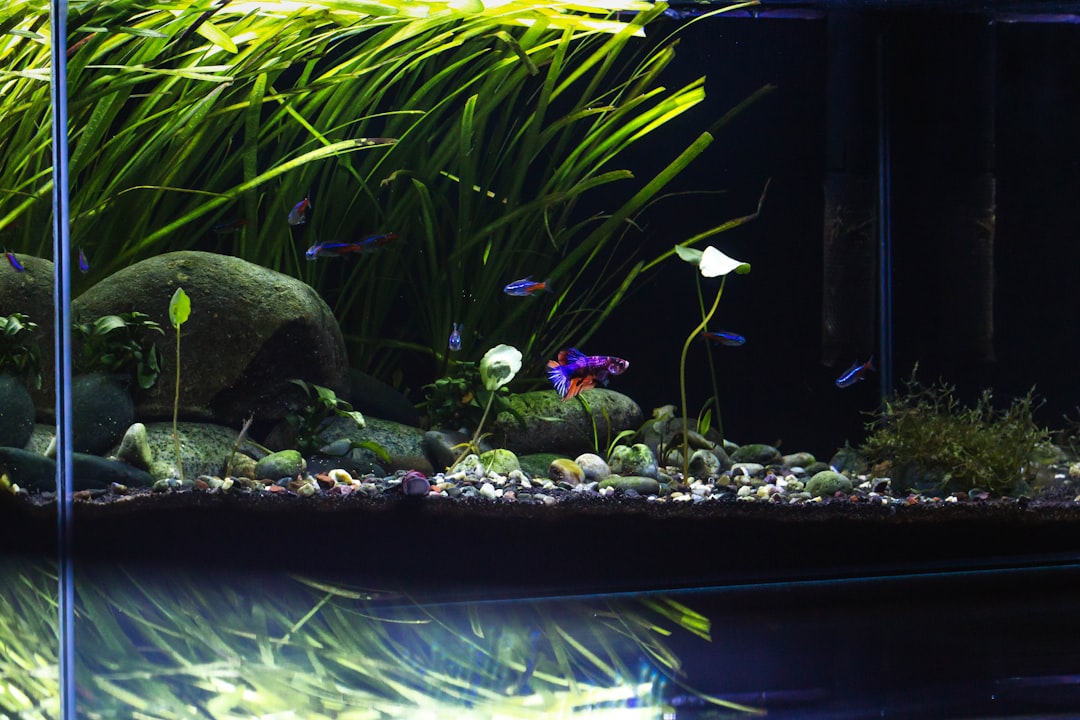
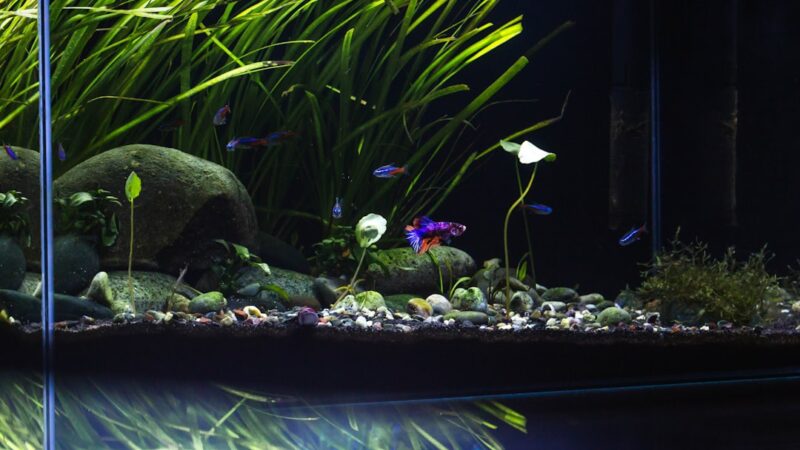
This aquascape tall tank vertical depth guide addresses one of the trickiest challenges in aquarium design. Tall tanks — those exceeding 50 cm in height — offer dramatic vertical space but punish poor planning with dark substrates, leggy plants, and awkward proportions. At Gensou Aquascaping Singapore, with over 20 years of hands-on experience at 5 Everton Park, we have scaped tanks from 45 cm to over 80 cm tall, learning what works and what fails at every height.
The Core Problem With Tall Tanks
Light intensity drops rapidly through water. At 60 cm depth, a standard LED fixture delivers roughly half the PAR it produces at 30 cm. Plants at the bottom receive significantly less energy, leading to slow growth, pale leaves, and eventual melting. Meanwhile, the upper portion of the tank often looks empty or sparse.
Water column stratification is another issue. Warm water rises, cool water sinks, and without strong circulation, you get temperature and nutrient gradients that stress both plants and fish. Tall tanks demand more powerful filtration and flow management than their footprint suggests.
Lighting Solutions for Deep Tanks
Upgrade to a high-output LED capable of penetrating your full water depth. Fixtures producing 80-120 PAR at 60 cm depth include the Chihiros WRGB II Pro, Twinstar S-series, and ADA Aquasky RGB. Expect to spend $150-$350 depending on tank length. Budget LEDs designed for standard 30-40 cm tanks simply cannot push enough light to the bottom of a 60 cm column.
Suspend the light 10-15 cm above the waterline rather than sitting it on the rim. Suspension increases the spread angle, creating more even coverage across the depth gradient.
Hardscape That Uses Vertical Space
Tall driftwood pieces are your greatest asset. Spider wood standing vertically, branching upward from a heavy base, fills the mid and upper water column with structure. Aim for hardscape that reaches at least two-thirds of the tank height. A piece that stops at the halfway point leaves a vast empty zone above it.
Rocks stacked into columns or cliff-like formations work equally well. Use dragon stone or seiryu stone arranged to create a sense of elevation and geological layering. Secure tall stacks with aquarium-safe epoxy to prevent collapses — in a tall tank, a toppled rock pile can crack the base glass.
Plant Selection for Top, Middle, and Bottom
Tall stem plants like Rotala rotundifolia, Ludwigia repens, and Hygrophila pinnatifida grow upward to fill the water column naturally. Let them reach the surface rather than trimming them short — their height is the point in a tall tank.
Attach Anubias, Bucephalandra, and mosses at various heights along the driftwood. This distributes greenery vertically rather than concentrating it all at substrate level. Epiphyte plants are the key to making a tall tank feel lush throughout its full height.
For the substrate level, choose low-light tolerant species: Cryptocoryne varieties, Marsilea hirsuta, or Helanthium tenellum. These survive the reduced light at depth and provide a green carpet without demanding intense illumination.
Creating Vertical Depth Illusion
Use darker substrate and larger hardscape elements near the bottom, transitioning to lighter colours and finer textures higher up. This gradient mimics how we perceive depth in nature — darker, heavier elements feel deeper and more distant.
Position smaller fish species in the upper water column and larger, darker fish near the bottom. Harlequin rasboras schooling near the surface while kuhli loaches weave through bottom driftwood creates a living sense of vertical zonation.
Circulation and CO2 Distribution
A single filter outlet at the top creates poor circulation at the bottom. Add a small powerhead or wavemaker positioned low, angled upward at 45 degrees, to push water throughout the full column. This ensures CO2, nutrients, and heat reach every level.
For CO2 injection, place the diffuser at the very bottom of the tank. Micro-bubbles then travel the maximum distance, dissolving more completely. In a 60 cm tall tank, bubbles travel twice as far as in a standard 30 cm tank — a significant advantage for dissolution efficiency.
Proportional Substrate Slopes
In tall tanks, a standard 3-7 cm substrate slope looks insignificant. Scale up proportionally. Build the rear substrate to 10-12 cm and slope to 4-5 cm at the front. This steeper gradient anchors the visual weight at the bottom and provides ample root space for stem plants that need deep planting in tall configurations.
Use substrate support structures — plastic egg crate or lava rock filler — beneath the deepest areas to reduce the volume of expensive aqua soil needed and prevent anaerobic compaction.
Maintenance Considerations
Tall tanks require longer tools. Standard 30 cm scissors and tweezers will not reach the substrate. Invest in 40-60 cm aquascaping tools — available in Singapore for $15-$40 per piece. A magnetic algae scraper with an extendable handle keeps glass clean without soaking your arm to the shoulder. Follow this aquascape tall tank vertical depth guide, and your tall tank becomes an asset rather than a limitation — a towering column of life that no standard-height aquarium can match.
Related Reading