Vertical Aquascaping: How to Build Upward in Your Tank
Most aquascapes focus on horizontal layouts — foreground, midground, background. Vertical aquascaping breaks this convention by building upward, creating dramatic cliff faces, living walls and towering structures that maximise the visual impact of your tank’s height. This vertical aquascaping design guide from Gensou Aquascaping at 5 Everton Park shows you how to think — and build — vertically.
Why Go Vertical?
Vertical designs create a sense of grandeur and scale that horizontal layouts cannot match. A towering rock wall covered in moss and ferns feels like a mountain cliff face in miniature. Vertical structures also make better use of tall tanks that are difficult to aquascape effectively with traditional layouts. They draw the eye upward, creating a dramatic focal point that impresses viewers immediately.
Structural Materials
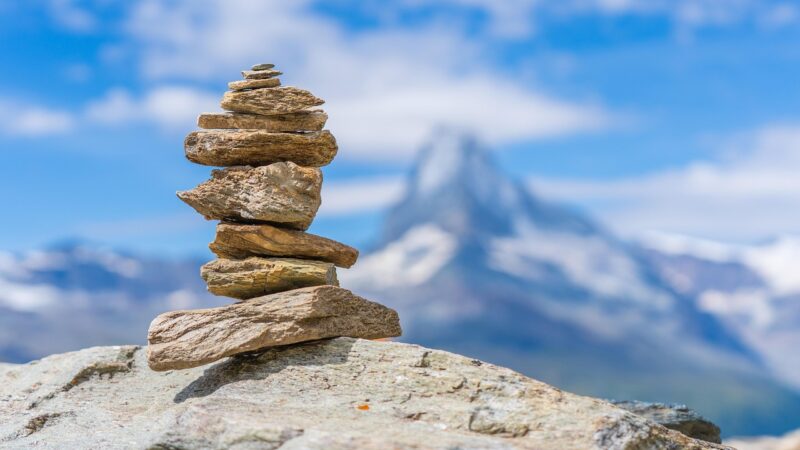
Stacked rock: Dragon stone and lava rock are ideal for building vertical walls. Their rough, porous surfaces provide excellent grip when stacked and are perfect for plant attachment. Use aquascaping glue (cyanoacrylate gel) between layers for stability. For taller structures, consider using stainless steel rods or plastic dowels driven through drilled holes in the rocks as hidden support.
Driftwood towers: Vertical driftwood arrangements create a forest canopy effect. Branch wood and spider wood can be arranged to extend upward, with smaller pieces attached to create height. Secure the base in substrate or wedge it between rocks for stability.
Mesh or egg crate backing: For a full living wall, attach plastic mesh or light diffuser egg crate to the back glass using suction cups. Plants and moss are then attached to the mesh, gradually covering it completely. This creates a green wall effect similar to vertical gardens on land.
Plants for Vertical Surfaces
Mosses: Java Moss, Christmas Moss, Flame Moss and Weeping Moss are the workhorses of vertical aquascaping. Attach them to rock and wood surfaces with super glue gel or cotton thread. They grip irregular surfaces and grow to cover them completely.
Epiphytic ferns: Java Fern varieties and Bolbitis heudelotii attach naturally to vertical surfaces via their rhizomes. Glue them to rock faces and let them cascade downward.
Anubias: Small varieties like Anubias Nana Petite are perfect for tucking into crevices on rock walls. They grow slowly but add beautiful dark green accents.
Bucephalandra: Thrives on vertical rock surfaces and comes in dozens of colour varieties. Attach with super glue and allow it to spread naturally along the rock face.
Building Techniques
Leaning wall: Stack rocks at a slight angle against the back glass, creating a tilted cliff face. The lean adds dynamism and prevents the wall from looking like a flat barrier. Leave gaps and crevices for plant placement.
Stepped terracing: Create multiple tiers or shelves at different heights. Each shelf can hold substrate for rooted plants, while the vertical faces between shelves are covered with moss and epiphytes.
Pillar or column: A freestanding vertical structure in the centre or at the rule-of-thirds point. More challenging to stabilise but creates a powerful focal point.
Overhanging cliff: Build the upper portion of the wall wider than the base, creating an overhang. This requires careful engineering with glue and hidden supports but produces a dramatic cave-like effect below.
Stability and Safety
Vertical structures must be rock-solid — literally. A collapsing rock wall can crack the glass, injure fish and flood your room. Glue all contact points between stones with generous amounts of aquascaping gel. Test stability by gently pushing the structure before filling with water. For tall structures (over 30 cm), use a thin layer of silicone between the back glass and the first layer of rock for extra security. Never stack loose rocks higher than the water line.
Lighting Considerations
Vertical surfaces at different heights receive different light intensities. Upper areas get strong direct light, while lower areas are shaded by the structures above. Choose shade-tolerant plants like Anubias and Bucephalandra for lower positions and more light-demanding species for upper sections. This natural light gradient actually makes vertical aquascapes look more realistic, with lush growth above transitioning to sparser coverage below.
Maintenance
Vertical aquascapes need regular trimming of mosses that grow outward and obscure the rock structure. Trim every two to three weeks by peeling back overgrown sections and cutting with scissors. Remove debris that collects in crevices during water changes using a turkey baster. The effort is rewarded with one of the most visually impressive styles in modern aquascaping.
Related Reading