
How to Aquascape a Shrimp-Only Tank: Moss, Flow and Hiding Spots
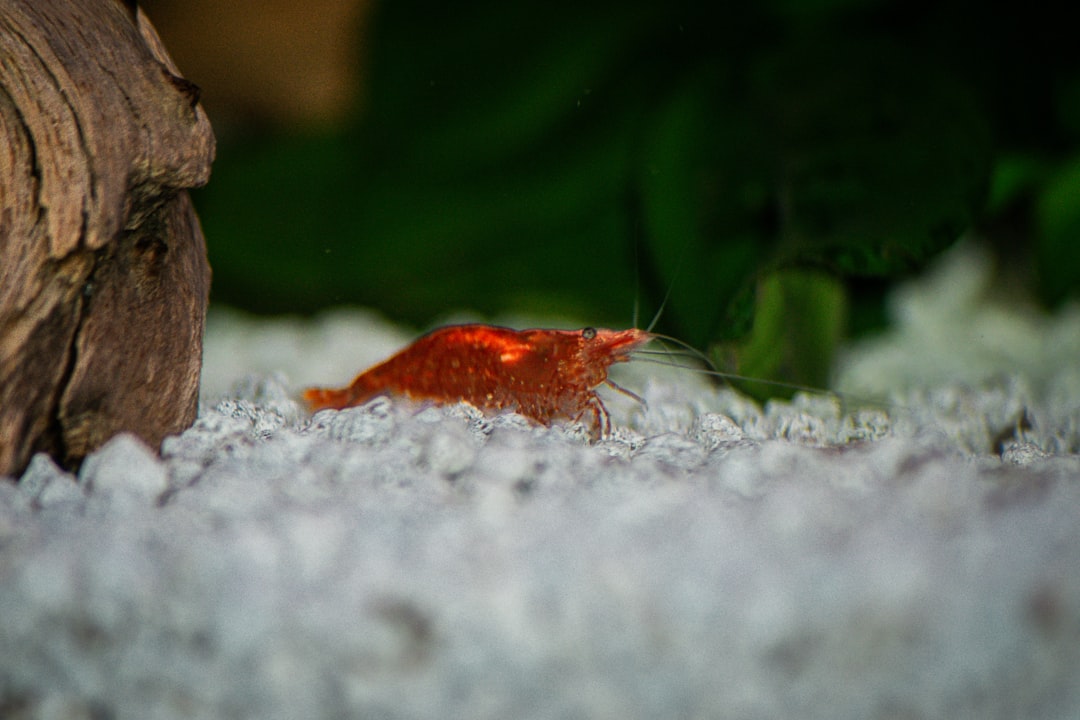
Shrimp behave differently without fish around — they graze openly, breed prolifically, and display colours they hide when predators loom. An aquascape shrimp-only tank guide requires a different design philosophy from a standard planted community. Gensou Aquascaping Singapore, with over 20 years of experience at 5 Everton Park, has built dedicated shrimp scapes for hobbyists and breeders across the island.
Why Shrimp Tanks Need Different Design
Fish-centric scapes prioritise open swimming lanes and dramatic focal points. Shrimp scapes prioritise surface area — every square centimetre of moss, rock, and wood is grazing real estate. More biofilm surface means more food, which supports larger colonies without extra feeding. Flow patterns matter too: shrimp need gentle circulation that spreads food particles without blasting tiny shrimplets off surfaces.
Choosing Substrate
Caridina species like Crystal Red and Taiwan Bee shrimp need active buffering soil that holds pH at 5.8–6.5. ADA Amazonia and Tropica Aquarium Soil are both available locally at $25–$35 per 9-litre bag. Neocaridina (cherry shrimp, blue dream, etc.) tolerate inert substrates like sand or gravel perfectly — saving money and avoiding the pH crashes that aged aqua soil can cause after 12–18 months.
Moss Is Your Best Friend
Java moss, Christmas moss, flame moss, and weeping moss all serve triple duty: biofilm farm, shrimplet nursery, and visual texture. Attach moss to lava rock or driftwood with cotton thread or super glue gel. Within a month, the thread dissolves and the moss grips on its own. A single 60 cm tank can easily hold four or five moss varieties, each creating a distinct patch of colour and form.
Trim moss every 3–4 weeks to prevent the inner layers from dying and detaching. Healthy moss stays bright green; if it turns brown underneath, you have waited too long between trims.
Hardscape for Hiding and Grazing
Lava rock is ideal — its porous surface hosts bacterial biofilm that shrimp graze continuously. Stack pieces to create caves, tunnels, and overhangs where berried females retreat to moult safely. Cholla wood (dried cactus skeleton) serves a similar function and breaks down slowly, releasing cellulose that shrimp nibble. A mix of both materials provides habitat diversity that supports all life stages from newborn shrimplet to breeding adult.
Flow and Filtration
Sponge filters are the standard for shrimp tanks — they provide biological filtration without intake slots that suck in babies. A single sponge filter rated for your tank volume, driven by a quiet air pump, creates the gentle surface ripple shrimp prefer. Position the sponge at the rear so current flows across the front glass without creating dead spots where detritus accumulates.
If you prefer a canister or hang-on-back filter, cover the intake with a stainless steel mesh guard. These guards cost under $5 on Shopee and prevent shrimplet losses entirely.
Plant Selection Beyond Moss
Bucephalandra species thrive in shrimp tanks — slow-growing, low-maintenance, and beautiful. Anubias nana ‘Petite’ attached to hardscape adds structural variety without competing for substrate nutrients. Floating plants like Salvinia or Amazon frogbit provide shade, reduce algae pressure, and give surface-dwelling shrimplets a refuge. Avoid nutrient-hungry stem plants unless you are prepared to dose fertiliser carefully — excess iron and copper in some formulas can harm shrimp at high doses.
Stocking Density and Colony Management
Neocaridina colonies self-regulate density to an extent, but overcrowding in a small tank leads to stunted growth and faded colour. Aim for 5–8 shrimp per 4 litres as a maximum. Cull regularly if you are line-breeding for colour — wild-type throwbacks dilute your grade over generations. Selling culls on Carousell helps fund the hobby and connects you with the local shrimp-keeping community.
Bringing It All Together
A well-designed shrimp scape is deceptively simple: buffering or inert substrate, abundant moss, porous hardscape, gentle flow, and stable water. The aquascape shrimp-only tank rewards patience — within two months, a starter colony of 10 shrimp can double in a well-set-up environment. At Gensou Aquascaping, some of our favourite builds are shrimp tanks — proof that the smallest inhabitants deserve the most thoughtful design.
Related Reading
- Freshwater Aquarium Shrimp Species Guide: Every Type Compared
- Caridina vs Neocaridina Shrimp: Water, Care and Breeding Differences
- Shrimp-Only Tank vs Community Tank: Pros, Cons and Stocking
- Best Shrimp for a Planted Aquarium: Algae Eaters and Cleaners
- How to Breed Neocaridina Shrimp for Colour: Line Breeding Guide



