
Caridina vs Neocaridina Shrimp: Water, Care and Breeding Differences
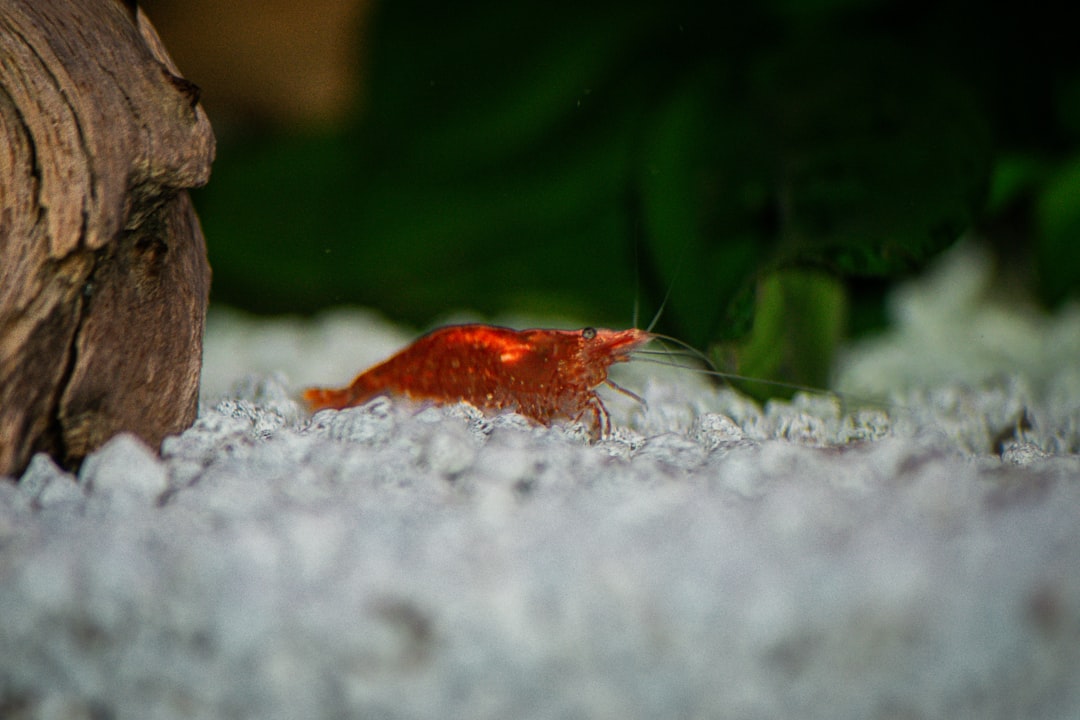
Walk into any aquarium shop in Singapore and you will find both Caridina and Neocaridina shrimp side by side — yet they demand fundamentally different care. Understanding caridina vs neocaridina shrimp differences before buying saves months of frustration and lost stock. This guide from Gensou Aquascaping Singapore, with over 20 years of hands-on experience at 5 Everton Park, lays out the key distinctions so you can choose — and keep — the right shrimp for your setup.
Taxonomy and Key Species
Both genera belong to the family Atyidae, but they diverged millions of years ago. Neocaridina davidi is the sole commonly kept species in its genus, appearing in dozens of colour morphs: cherry red, blue dream, orange sakura, green jade, and more. Caridina is far more diverse — Caridina cantonensis gives us crystal reds, crystal blacks, and tiger shrimp, while Caridina multidentata is the Amano shrimp and Caridina dennerli is the Sulawesi cardinal.
This taxonomic spread means “Caridina care” varies widely depending on the species. Neocaridina care, by contrast, is relatively uniform across all colour forms.
Water Parameter Differences
Here lies the most critical distinction. Neocaridina tolerate a broad range — pH 6.5–8.0, GH 4–14, KH 2–8, TDS 150–350. They adapt to Singapore’s PUB tap water with little more than dechloramination. Caridina cantonensis (crystal and bee shrimp) need soft, acidic water — pH 5.8–6.8, GH 4–6, KH 0–1, TDS 100–160 — typically achieved with active buffering substrate and remineralised RO water.
Sulawesi Caridina flip the script entirely, requiring warm alkaline water around pH 8.0 and GH 6–8. Lumping all Caridina together is a common mistake that leads to casualties. Always research the exact species before setting parameters.
Substrate and Tank Setup
Neocaridina thrive on inert substrates — gravel, sand, or bare-bottom tanks. No buffering needed. Caridina crystal shrimp almost universally require active soil that lowers and stabilises pH, such as ADA Amazonia or Tropica Aquarium Soil. These substrates exhaust their buffering capacity after 12–18 months, at which point pH creeps upward and the substrate needs replacing — a disruptive and costly process.
For both genera, sponge filters are the standard. Gentle flow, zero risk to shrimplets, and ample biofilm surface. Dense moss and botanicals like catappa leaves round out an effective shrimp tank regardless of genus.
Breeding and Reproduction
Neocaridina breed prolifically under stable conditions, producing 25–40 shrimplets per clutch every 30–45 days. Shrimplets are hardy and reach sellable size in about two months. This rapid output makes Neocaridina ideal for hobbyists who want visible population growth and potential income from selling surplus stock.
Caridina cantonensis breed more slowly, with smaller clutches of 15–25 and longer intervals between broods. Shrimplets are more sensitive to parameter fluctuations during their first two weeks. Sulawesi species are slower still — clutches of 10–15 eggs, months between broods, and painstaking environmental stability required. Patience is non-negotiable with Caridina.
Colour Grading and Market Value
Both genera support grading systems, but the economics differ. High-grade Neocaridina (painted fire red, extreme blue bolt) sell for $3–$8 in Singapore. High-grade Caridina (SSS crystal red, pinto, galaxy fishbone) command $15–$50 or more. The higher price reflects both difficulty of care and slower breeding rates.
Line breeding principles apply equally — cull lower grades, maintain separate colour lines, introduce unrelated genetics periodically. The Neocaridina breeding guide covers these strategies in detail.
Can You Keep Them Together?
Technically, Neocaridina and Caridina cantonensis cannot interbreed — they are genetically incompatible. However, housing them together creates a parameter compromise that suits neither genus optimally. The soft acidic water ideal for crystals stresses Neocaridina over time, while the harder water Neocaridina prefer causes moulting problems in crystal shrimp.
A better approach is separate tanks for each genus. In a dedicated shrimp-only setup, you can dial in exact parameters and maximise breeding success without compromise.
Which Should You Choose?
Start with Neocaridina if you are new to shrimp keeping. Their tolerance for fluctuation gives you room to learn. Graduate to Caridina once you are confident maintaining stable, soft water and understand the investment active substrate demands. Sulawesi species should wait until you have successfully bred Caridina cantonensis — the parameter discipline transfers directly.
Knowing the caridina vs neocaridina shrimp differences upfront lets you set realistic expectations and avoid the disappointment of losing stock to preventable parameter mismatches. Whichever genus calls to you, Singapore’s climate and water chemistry provide a solid foundation for shrimp keeping at every level.
Related Reading
- Freshwater Aquarium Shrimp Species Guide: Every Type Compared
- Orange Eye Blue Tiger Shrimp Care Guide: OEBT Parameters and Breeding
- Sulawesi Cardinal Shrimp Care Guide: Pristine Water and High Heat
- How to Breed Neocaridina Shrimp for Colour: Line Breeding Guide
- Best Shrimp for a Planted Aquarium: Algae Eaters and Cleaners



