Paludarium Aquascape Step by Step: Land Meets Water
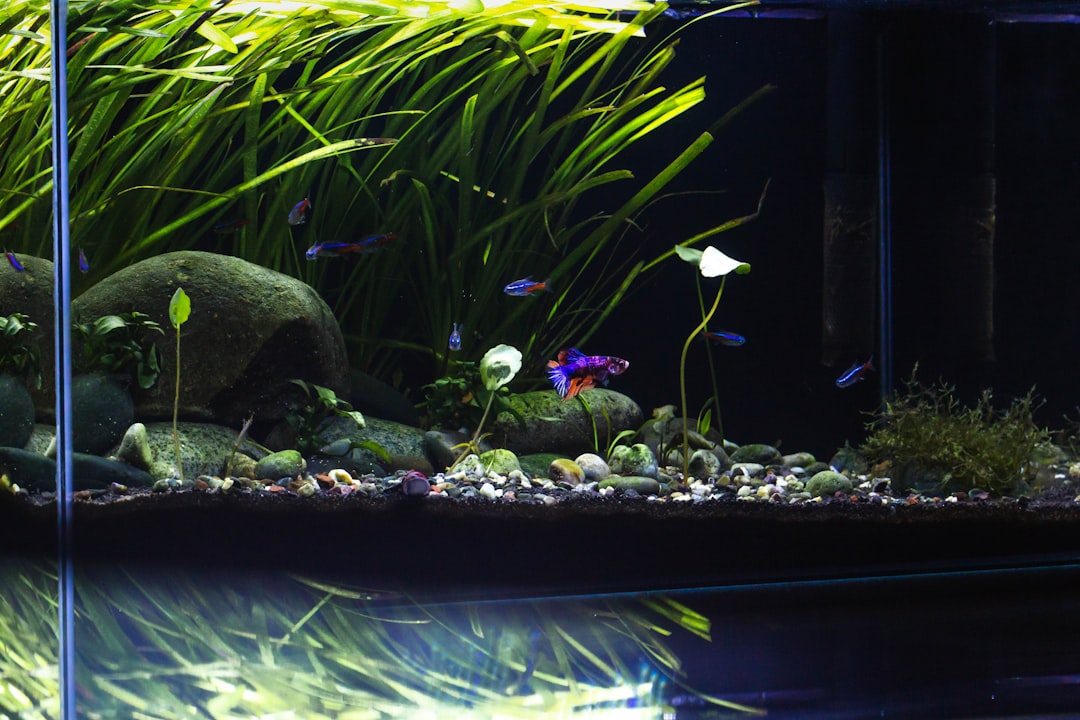
A paludarium merges the underwater world of an aquarium with the lush greenery of a terrarium, creating a miniature ecosystem where land meets water. Following this paludarium aquascape step by step guide from Gensou Aquascaping at 5 Everton Park, Singapore lets you build a striking display that showcases both aquatic and terrestrial life. Singapore’s naturally high humidity — averaging 80–90 % year-round — makes this style especially rewarding here, as emersed plants thrive without supplemental misting systems.
Planning the Land-to-Water Ratio
Before buying materials, decide how much of the tank will be submerged versus exposed. A 50/50 split is the most versatile starting point, giving enough water volume for fish or shrimp while leaving ample dry area for mosses, ferns, and epiphytes. Taller tanks — 45 cm or higher — work best because the vertical space accommodates a meaningful land section above the waterline.
Sketch a rough plan on paper. Identify where the waterfall or water feature will sit, where the land mass rises, and where roots or branches will bridge the transition. This saves hours of rearranging heavy hardscape later.
Choosing the Right Tank
Standard rimless tanks work, but purpose-built paludarium tanks with a lowered front panel offer better access and a more dramatic visual. Brands like DOOA and ADA produce models designed specifically for this style. Locally, custom tank builders in Singapore can fabricate a low-front design for about $80–$150 depending on dimensions. A 45 x 30 x 45 cm tank is an excellent starter size.
Building the Land Section
Expanding foam, egg crate (light diffuser grid), and lava rock form the structural core of most paludarium land areas. Cut egg crate to shape the elevated platform, then fill cavities with lava rock for stability and biological filtration surface area. Coat exposed surfaces with aquarium-safe silicone and press sphagnum moss or coco fibre into it for a natural finish.
Ensure the land structure is mechanically stable before adding water — a collapse after filling can crack the tank. Test fit everything dry, secure with zip ties or silicone as needed, and allow 24 hours for curing before the wet phase begins.
Water Section and Filtration
The submerged zone functions like a small aquarium. A compact internal filter or a small canister filter handles mechanical and biological filtration. Position the filter outlet so it creates a gentle waterfall effect cascading over the land section — this oxygenates the water and keeps the emersed area moist without a separate misting system.
Water depth of 10–15 cm is sufficient for small fish like Boraras brigittae, neocaridina shrimp, or African dwarf frogs. Deeper sections accommodate slightly larger species, but remember that water volume determines stocking capacity — a shallow paludarium holds less than its total tank volume suggests.
Plant Selection: Emersed and Submerged
The beauty of a paludarium is the diversity of plants you can grow. Submerged favourites include Anubias, Bucephalandra, java fern, and mosses — all low-light tolerant and forgiving. Above the waterline, Fittonia, Selaginella, miniature orchids, and various fern species flourish in the humid air pocket above the water surface.
Epiphytes like Tillandsia (air plants) and small bromeliads attach to exposed branches and add vertical interest. Creeping fig (Ficus pumila var. minima) slowly covers hardscape surfaces for a mature, overgrown aesthetic. Source these from local nurseries at Thomson or online via Carousell — most cost under $5 per cutting.
Lighting Considerations
Emersed plants above the waterline need light too, which means your fixture should illuminate the full tank height. Overhead pendant-style LEDs or clip-on grow lights work better than standard aquarium bars that focus only on the water surface. A colour temperature of 6500K suits both aquatic plants below and tropical foliage above.
Run lights for eight to ten hours daily. The emersed section benefits from slightly longer photoperiods than a typical aquarium because terrestrial plants photosynthesize more efficiently in atmospheric CO2 concentrations — no injection needed above the waterline.
Maintenance Tips
Top off evaporated water weekly with dechloraminated tap water or RO water to prevent mineral creep. Prune emersed plants regularly — some species grow aggressively in Singapore’s humidity and quickly overwhelm the layout. Clean the waterfall path monthly to prevent algae buildup on exposed rock and moss surfaces.
A well-maintained paludarium aquascape becomes a living art piece that evolves month by month. At Gensou Aquascaping, we have installed paludariums in residential living rooms and office lobbies across Singapore — each one a conversation starter that blurs the line between nature and interior design.
Related Reading