
Aquascape for Private Dining Rooms in Singapore: Intimate Atmosphere
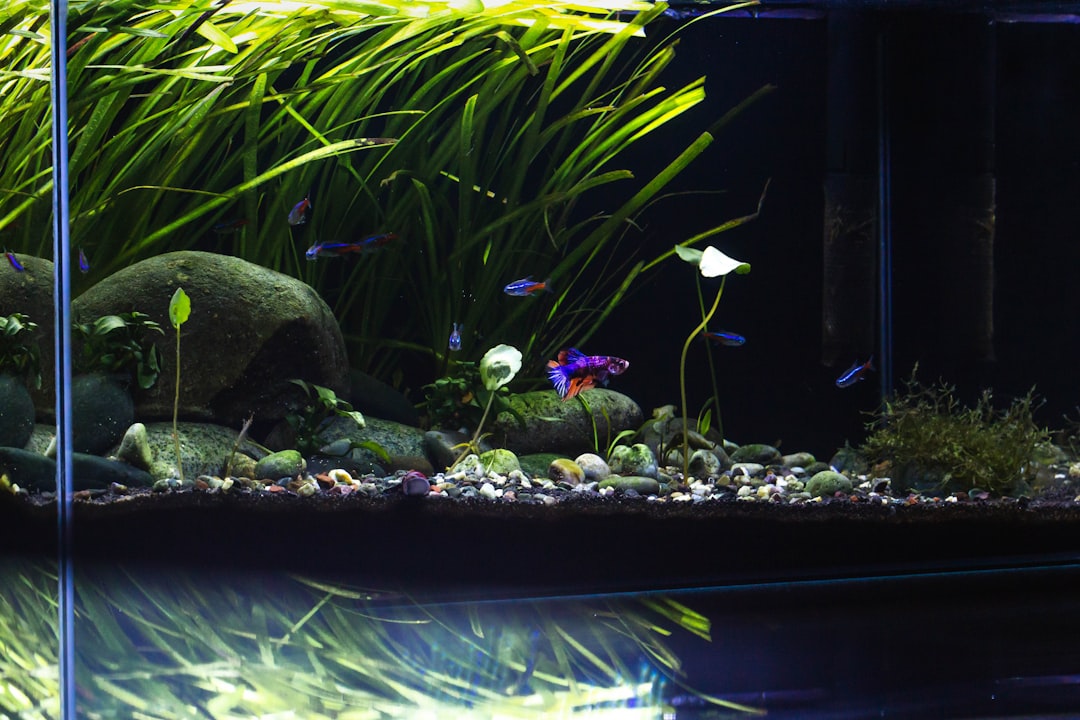
Private dining rooms in Singapore cater to business dinners, celebrations, and high-value guests who expect an atmosphere beyond white tablecloths and dim lighting. A thoughtfully designed aquarium becomes the centrepiece that elevates the experience — living art that guests photograph, discuss, and remember. This aquascape private dining room Singapore guide from Gensou Aquascaping at 5 Everton Park shares the design thinking behind our most successful restaurant installations, built on over 20 years of commercial aquascaping expertise.
Why an Aquarium Works in Private Dining
An aquascape provides a natural focal point that fills silences gracefully during multi-course meals. Unlike static artwork, it changes subtly with every glance — fish shift position, plants sway, light ripples across surfaces. For restaurant operators, it differentiates their private room from competitors and justifies premium room charges. Guests often share photos on social media, generating organic marketing that no amount of advertising can replicate.
Tank Sizing and Placement
Private dining rooms in Singapore restaurants typically range from 12 to 25 square metres. A wall-embedded or freestanding tank of 90–120 cm width provides strong visual impact without overwhelming the space. Position the tank where it is visible from the majority of seats — along the far wall facing the entrance is often ideal, creating an immediate impression as guests walk in.
Freestanding room dividers with built-in aquariums work beautifully in larger rooms, separating the dining area from a service corridor while adding atmosphere from both sides. A double-sided viewable tank requires careful aquascaping to look balanced from either angle — avoid compositions that have an obvious front and back.
Design Style: Sophistication and Restraint
Match the aquascape to the restaurant’s aesthetic. Modern Japanese or fusion dining calls for minimalist iwagumi or nature-style layouts with clean lines. Chinese fine dining suits grander displays with golden-toned fish like Tanichthys albonubes (white cloud mountain minnow) or small goldfish varieties in a naturalistically planted tank. Western steakhouse environments pair well with dramatic driftwood compositions featuring dark, moody tones.
Avoid garish artificial decorations, coloured gravel, or plastic plants — they undermine the premium positioning that a private dining room requires. The aquascape should feel like a curated art installation, not a pet shop display.
Fish Selection for Dining Ambiance
Choose species with visual presence but calm behaviour. Cardinal tetras (Paracheirodon axelrodi) schooling under low light create a shimmering blue-and-red ribbon effect that captivates without distracting. Pearl gouramis offer slow, stately movement. For a Southeast Asian theme, a group of Trigonostigma heteromorpha (harlequin rasboras) adds local authenticity.
Avoid aggressive species that chase or fight — stressed fish with torn fins send the wrong message in a dining context. Stock conservatively; an understocked, pristine tank looks far better than an overcrowded one with murky water.
Lighting Integration
Aquarium lighting must coordinate with the room’s lighting design. During evening service, dim the tank LEDs to 20–40 % intensity using a programmable controller. A warm-white or slightly amber spectrum complements candlelit tables and avoids the clinical look of full-brightness daylight-spectrum LEDs. Many fixtures from Chihiros and ONF support wireless dimming via smartphone app, allowing staff to adjust ambiance in seconds.
Backlit tanks — where the primary light source shines from behind the aquascape toward the viewer — create dramatic silhouettes of wood and stone. This technique works particularly well with dark substrates and minimal fish, producing an almost cinematic visual effect.
Noise Control and Equipment
In a private dining room, every sound matters. Use canister filtration housed in a concealed cabinet below or behind the tank. All plumbing joints should be snug and vibration-dampened with rubber gaskets. Avoid air stones and HOB filters — both produce audible noise that competes with conversation. An inline heater, if needed, eliminates the visual clutter and occasional click of a submersible heater.
Maintenance and Hygiene
Restaurant environments demand impeccable hygiene. Schedule maintenance during closed hours — typically mornings before lunch or late nights after dinner service. A weekly maintenance visit covers glass cleaning, water change, filter check, and plant trimming. Monthly deep cleans address algae on hardscape and equipment descaling.
Ensure the tank is fully sealed with no possibility of water contact with food preparation or dining surfaces. A drip tray beneath the cabinet catches any minor leaks during maintenance. At Gensou Aquascaping, our commercial maintenance contracts include emergency call-outs within 24 hours — a dead fish floating during a $2,000-per-table dinner is not an option.
Investment and Returns
A complete private dining room aquascape installation ranges from $1,500 to $5,000 depending on tank size, custom cabinetry, and design complexity. Monthly maintenance costs $100–$200. Restaurants that charge $50–$100 per head in their private rooms recover the investment quickly through increased bookings and the ability to command a room surcharge. The aquascape becomes an aquascape private dining room asset that works for you every service.
Related Reading



