
Brackish Mangrove Paludarium: Where Land, Roots and Tide Meet
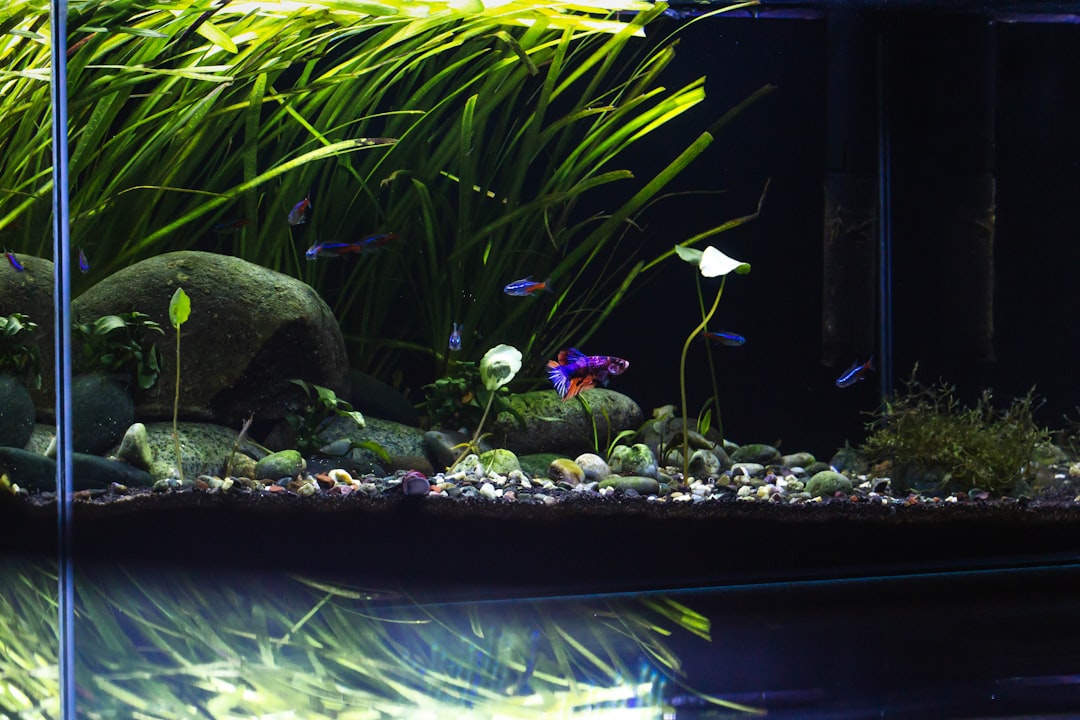
Few aquarium styles capture the wild beauty of a coastline quite like a brackish mangrove paludarium aquascape, where tangled roots descend into murky tidal water and land meets sea in a single glass enclosure. Gensou Aquascaping Singapore has built mangrove paludariums for nature centres, private collectors and our own showroom, drawing inspiration from Singapore’s own Sungei Buloh Wetland Reserve. This niche setup rewards patient aquascapers with a living ecosystem unlike anything in the freshwater or reef hobby.
Understanding the Brackish Zone
Brackish water sits between fresh and salt, typically at a specific gravity of 1.005–1.015. Mangrove habitats in nature fluctuate with the tides — salinity rises as seawater flows in and drops when rain and river water dominate. You do not need to replicate tidal cycles exactly, but maintaining stable brackish conditions around 1.008–1.012 SG keeps both plants and livestock comfortable. Use a refractometer rather than a hydrometer for accurate readings at these lower salinities.
Choosing the Right Enclosure
A paludarium needs both a water section and an emersed (above-water) section. Tall tanks or converted terrariums with front-opening doors work best. Aim for a water depth of 15–25 cm and at least 20–30 cm of clearance above the waterline for mangrove growth. Exo Terra and custom-built glass tanks in the 60–100 litre range suit most home setups. Open-top designs allow mangrove shoots to grow beyond the tank eventually, but they increase evaporation in Singapore’s warm climate.
Building the Hardscape
Start with a sloped substrate: deeper at the back (emersed land area) and shallower toward the front (submerged water). Use a mix of coarse sand and coral rubble for the brackish zone, transitioning to aquasoil or coco peat for the terrestrial section. Stack rocks or driftwood to create a naturalistic shoreline. Lava rock epoxied into retaining walls prevents substrate from sliding into the water. The transition zone — where land slopes into water — is the visual heart of the paludarium, so spend extra time getting this gradient right.
Mangrove Propagules
Red mangrove (Rhizophora mangle) propagules are the most commonly available species in the aquarium trade. They arrive as long, pencil-shaped pods that sprout roots when partially submerged. Plant them with the lower third in brackish water, supported by rock crevices or wedged into substrate. Growth is slow — expect 2–4 new leaves per month under strong light. Over time, aerial prop roots extend downward into the water, creating the iconic tangled root structure that defines mangrove forests.
Emersed and Aquatic Plants
Above the waterline, ferns like Microsorum species and mosses attach well to driftwood and create a lush canopy. Pothos cuttings root readily in brackish water and trail across the land section. Submerged, Java fern and Anubias tolerate low-end brackish conditions surprisingly well. True brackish aquatic plants like Vallisneria handle salinities up to 1.010 SG. Avoid delicate freshwater plants that melt when exposed to salt.
Livestock for the Brackish Paludarium
Brackish tanks offer fascinating stocking options. Figure eight puffers (Dichotomyctere ocellotus) are charismatic and thrive at 1.005–1.008 SG. Bumblebee gobies perch on rocks and driftwood, adding pops of colour. Mudskippers bring the land section alive, hauling themselves onto exposed roots and rocks. Fiddler crabs occupy the shoreline, digging burrows in the substrate. Nerite snails handle cleanup duties across the salinity range. Stock conservatively — a 60-litre paludarium supports two or three small fish and a handful of invertebrates.
Maintenance Considerations
Top off evaporated water with fresh RO/DI water to prevent salinity creep — evaporation removes water but leaves salt behind. Perform 15–20 per cent water changes fortnightly using pre-mixed brackish water. Trim mangrove leaves that yellow or grow excessively to maintain proportions. Mist the emersed section daily or install a small fogger to maintain humidity, especially if your home is air-conditioned. Singapore’s natural humidity helps, but air-conditioning dries the above-water zone quickly.
Related Reading



