
How to Cure Live Rock for a Marine Aquarium
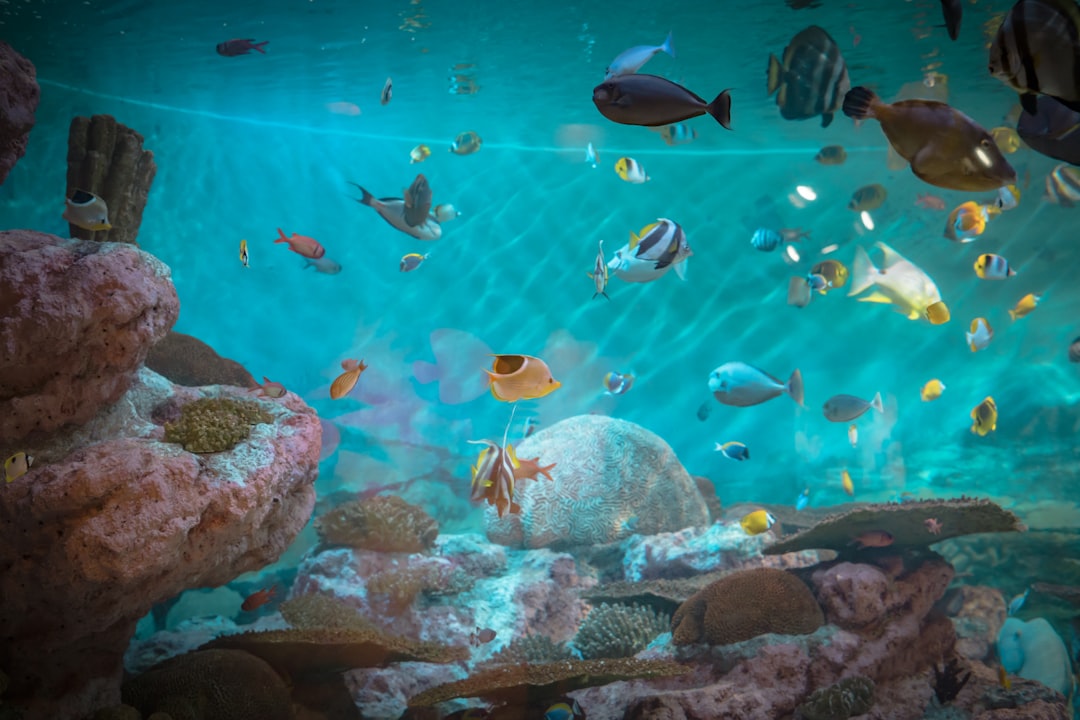
Live rock is the biological backbone of a marine aquarium, providing surface area for beneficial bacteria and a foundation for your aquascape. But freshly imported or shipped rock almost always arrives with some degree of die-off — dead organisms that will pollute your tank if not addressed first. This cure live rock marine aquarium guide walks you through the curing process from start to finish. At Gensou Aquascaping Singapore, we have cured countless batches over the years, and the process is straightforward once you understand what is happening and why.
What Is Curing and Why It Matters
Live rock harvested from the ocean or cultured in marine farms carries a rich community of bacteria, sponges, coralline algae, worms, and microorganisms. During shipping, portions of this life die due to exposure to air, temperature changes, and transit stress. The resulting die-off decomposes, releasing ammonia into the water. Placing uncured rock directly into a stocked aquarium causes a massive ammonia spike that can kill fish and invertebrates within hours. Curing removes this die-off in a controlled setting before the rock enters your display. This guide sits inside our broader Saltwater Reef Tank Master Guide reference.
Equipment Needed
You do not need a dedicated curing tank, though one helps. A large plastic storage bin or a spare aquarium works well. Add a heater set to 25–26 °C, a powerhead or wavemaker for circulation, and optionally a basic protein skimmer. Prepare enough saltwater to fully submerge the rock — mix your salt with RODI water to the correct salinity of 1.024–1.026. A stiff brush (a new toothbrush or nylon scrubbing brush) helps with manual cleaning. Keep the bin in a well-ventilated area, as the smell during the first week can be intense.
Step-by-Step Curing Process
Start by inspecting each piece of rock. Scrub off any visible dead matter — soft, dark, foul-smelling tissue is obvious die-off. Remove sponges that have turned white or grey, as these are already dead. Rinse the scrubbed rock in a bucket of clean saltwater before placing it into your curing bin.
Submerge all the rock, turn on the heater and powerhead, and let it sit. Test ammonia daily. Within the first two to three days, ammonia levels will spike sharply — readings above 5 ppm are common. Perform a 100 per cent water change whenever ammonia exceeds 2 ppm, using freshly mixed saltwater at the correct temperature and salinity. During the first week, you may need to change water every other day.
Continue testing and changing water until ammonia reads zero and the rock no longer emits a foul smell. This typically takes two to four weeks depending on the condition of the rock upon arrival. Some premium aquacultured rock arrives in excellent condition and cures within a week; heavily shipped wild rock may take the full month.
Curing Dry Rock vs Live Rock
Dry rock (sometimes called dead rock or base rock) does not require curing in the traditional sense, as there is no living tissue to decompose. However, some dry rock — particularly reef-sourced rock that has been dried — may leach phosphates or contain residual organic matter. A soak in RODI water for one to two weeks, with periodic water changes, helps reduce initial phosphate release. Many Singapore hobbyists use a combination of dry rock and a few pieces of quality live rock to seed the biological community while keeping costs down.
Signs That Curing Is Complete
Zero ammonia on consecutive tests over three to four days, no unpleasant odour, and the development of a thin biofilm or early coralline algae growth on the rock surfaces all indicate that curing is finished. The rock should smell like clean ocean water — a mild, briny scent. If you still detect any foul or sulphurous smell, continue the process for another week. There is no penalty for curing longer than necessary, but cutting the process short risks an ammonia spike in your display tank.
Adding Cured Rock to Your Tank
Transfer cured rock to your tank and arrange your aquascape before adding livestock. Even fully cured rock may cause a minor ammonia blip during the first day or two — this is normal and resolves quickly in a tank with an established filter. If you are setting up a brand-new tank, the cured rock essentially provides the seeding bacteria for your initial nitrogen cycle. Test ammonia and nitrite daily during the first two weeks and do not add fish until both read zero consistently.
Where to Buy Live Rock in Singapore
Marine shops along Serangoon North Avenue 1 stock both live rock and dry rock. Live rock typically costs $8–$15 per kilogram, while dry rock ranges from $5–$10 per kilogram. Online sellers on Carousell occasionally offer bulk deals. At Gensou Aquascaping, we often advise clients to invest in quality rock from the start — well-shaped, porous pieces with good coralline coverage cure faster and look better in the long run. Budget roughly 1–1.5 kg of rock per 10 litres of tank volume as a starting guideline for your aquascape.
Related Reading



