
Reef Tank Algae Control: Beating Cyano, Dinos and Hair Algae
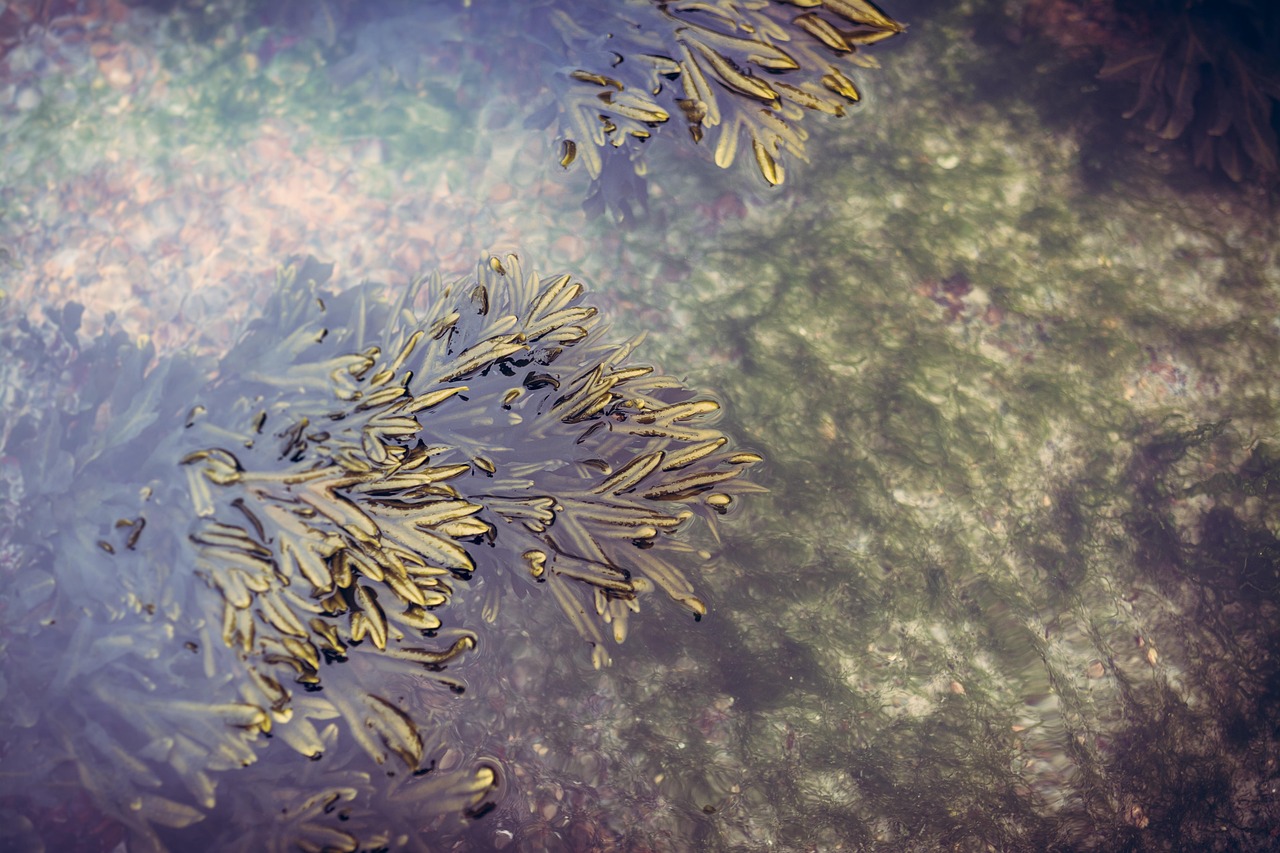
Algae problems rank among the most frustrating experiences in reef keeping. A slimy red-purple carpet of cyanobacteria, stringy hair algae smothering your corals, or a toxic brown film of dinoflagellates — each demands a different approach. This reef tank algae control cyano dinos guide breaks down the three most common nuisance organisms in Singapore reef tanks and explains how to beat them. At Gensou Aquascaping Singapore, we have tackled all three across hundreds of client systems, and the solutions are more about patience and method than expensive products.
Cyanobacteria: The Red Slime Menace
Despite its appearance, cyanobacteria is not true algae — it is a photosynthetic bacterium. It forms slimy mats that range from dark red to purple-black, often covering sand, rock, and even coral bases. Cyano thrives in areas of low flow and elevated dissolved organics. In Singapore, where feeding rates tend to be generous and ambient warmth accelerates bacterial growth, cyano outbreaks are common, especially in tanks less than a year old.
Address the root causes first. Increase flow to eliminate dead spots — reposition wavemakers or add a small powerhead aimed at affected areas. Reduce feeding by 20–30 per cent and siphon out visible cyano mats during water changes. Ensure your protein skimmer is performing optimally. If mechanical and husbandry improvements do not resolve the issue within three to four weeks, a short course of Chemiclean (erythromycin-based) or Ultralife Red Slime Remover usually eradicates cyano within 48 hours. Follow the product instructions carefully and run extra aeration during treatment, as dying bacteria consume oxygen rapidly.
Dinoflagellates: The Persistent Brown Film
Dinoflagellates — commonly called dinos — are single-celled organisms that form a snotty, brown film on sand and rock, often with visible air bubbles trapped in stringy strands. They are photosynthetic and typically appear in ultra-low-nutrient tanks where nitrates and phosphates have been driven to undetectable levels. Paradoxically, the cleaner your water, the more likely dinos are to flourish, because they outcompete other organisms in nutrient-poor environments.
Identification matters. Look at the film under a magnifying glass or basic microscope — dinos appear as golden-brown cells, sometimes with visible flagella. If you do not have a microscope, the bubble-trapping behaviour and snotty texture distinguish them from regular diatoms. Treatment strategies include raising nutrient levels (allowing nitrates to climb to 5–10 ppm and phosphates to 0.03–0.05 ppm), dosing live phytoplankton to introduce competing organisms, and running a UV steriliser continuously. Some hobbyists have success with extended blackout periods of three days, though this stresses corals and should be a last resort.
Hair Algae: The Green Tangle
Green hair algae (Bryopsis, Derbesia, and Cladophora species) attaches to rock, plug bases, and any surface receiving light. It feeds on dissolved phosphates and nitrates, growing rapidly under strong lighting. Overstocked tanks, overfeeding, and inadequate export (skimming, water changes, media reactors) are the usual culprits.
Manual removal is the first step — use a toothbrush to twist and pull hair algae from rocks during water changes. Reduce your photoperiod by one to two hours and verify your light intensity is not excessive. Run GFO (granular ferric oxide) in a media reactor to strip phosphates from the water column. Biological control works well: turbo snails, emerald crabs, and certain sea hares are effective grazers. A single sea hare can clear a moderate hair algae infestation in a week, though they should be rehomed once the algae is gone as they may starve. For stubborn Bryopsis, a controlled course of Fluconazole (a prescription antifungal) has proven highly effective — it targets Bryopsis specifically without harming most corals or invertebrates.
Prevention Strategies
Stable nutrient export is the common thread across all three nuisance organisms. Maintain a consistent water change schedule — 10 per cent weekly is a reliable baseline. Run a protein skimmer sized appropriately for your bioload. Use RODI water for all top-offs and salt mixing; Singapore’s PUB tap water, while generally clean, still contains trace silicates and phosphates that accumulate over time. Replace filter media regularly and avoid letting detritus build up in sumps and overflow chambers.
The Role of a Cleanup Crew
A well-stocked cleanup crew prevents algae from gaining a foothold. Trochus and astrea snails graze on film algae and diatoms. Hermit crabs scavenge uneaten food that would otherwise fuel algae growth. Cerith snails work the sandbed, turning over the top layer and consuming organic waste. Stock roughly one snail per four litres and a few hermits per 40 litres as a starting point. Shops around Serangoon North and Clementi sell cleanup crew packages at reasonable prices, often bundled for nano or standard-sized tanks.
When to Seek Help
Persistent algae problems that resist multiple interventions sometimes indicate a deeper issue — a hidden dead spot harbouring organic waste, a failing RODI membrane, or phosphate leaching from low-quality rock. At Gensou Aquascaping, we offer diagnostic consultations for reef tanks across Singapore. Sometimes a fresh pair of experienced eyes catches what frustration blinds you to. Do not give up — every algae problem has a solution, and most resolve within four to eight weeks with the right approach.
Related Reading



