
Six Line Wrasse Care Guide: Colourful but Territorial
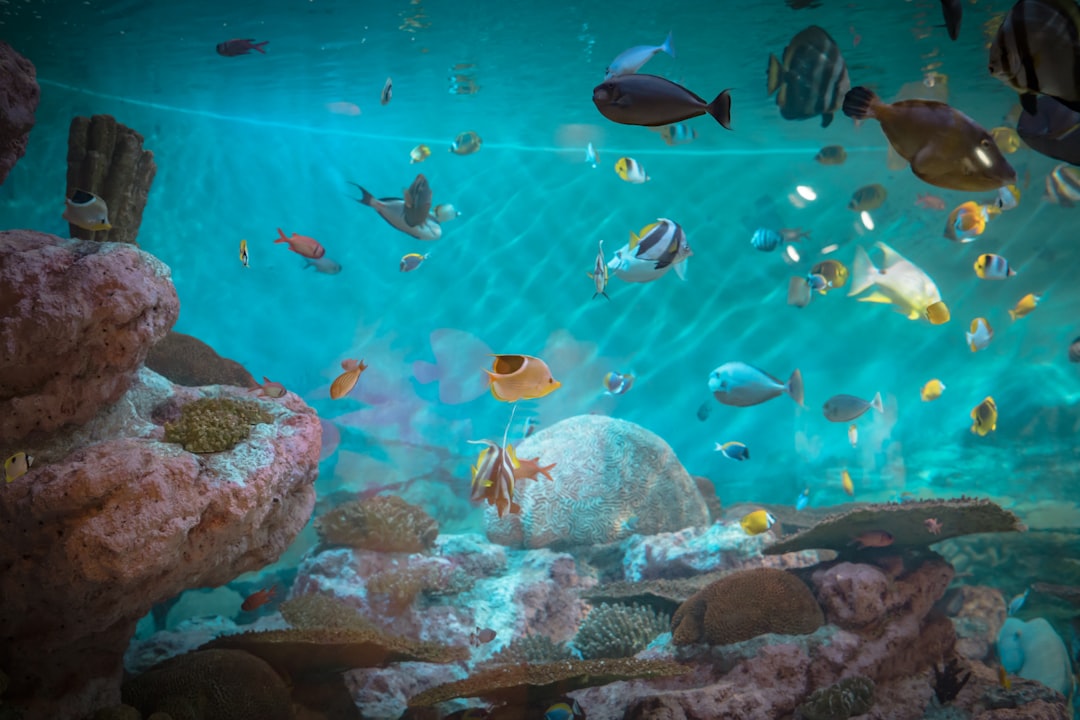
The six line wrasse is one of those fish that looks completely innocent at the shop but can turn into a tiny tyrant once it settles into your reef. A thorough six line wrasse care guide marine hobbyists can trust needs to address both the beauty and the boldness of Pseudocheilinus hexataenia. At Gensou Aquascaping Singapore, we have seen this fish thrive spectacularly in the right setup — and cause headaches in the wrong one. Knowing what you are getting into makes all the difference. This guide sits inside our broader Tropical Fish Species Master Index reference.
Species Overview
Pseudocheilinus hexataenia belongs to the family Labridae and originates from the Indo-Pacific. Adults reach about 7 to 8 cm. The body displays six vivid horizontal lines alternating between orange and blue-purple, with an eyespot on the caudal peduncle. It is one of the most affordable wrasses in Singapore, typically priced between $10 and $20 at local marine shops. Its striking colour and small size make it a perennial favourite among nano and mid-sized reef keepers.
Tank Requirements
A minimum of 100 litres is recommended, with ample live rock providing caves, crevices and bolt holes. Six line wrasses are constant explorers that dart in and out of rockwork throughout the day, hunting for small pests. A tight-fitting lid or mesh cover is essential — this species is a known jumper, especially when startled or newly introduced. Moderate flow and standard reef lighting suit them perfectly.
Water Parameters
Maintain salinity at 1.025, temperature at 25 to 27 °C, and keep ammonia and nitrite at zero. Nitrate below 20 ppm and phosphate below 0.1 ppm are ideal. These are hardy fish once acclimated, but like all marine species they suffer in unstable conditions. Singapore’s warm ambient temperatures make a reliable chiller and heater combination important for preventing daily temperature swings in smaller tanks.
Diet and Feeding
Six line wrasses are carnivorous and enthusiastic eaters. Offer frozen mysis shrimp, brine shrimp, finely chopped seafood and quality marine pellets once or twice daily. They also hunt copepods, amphipods and small bristleworms within the rockwork, which provides valuable pest control. This natural foraging behaviour is one of their greatest assets — many reefers add a six line wrasse specifically to control flatworms and pyramidellid snails.
Temperament and Compatibility
Here is where the six line wrasse earns its reputation. While generally reef-safe with corals and most invertebrates, this fish can be aggressively territorial towards other small, peaceful species — particularly other wrasses, gobies and dartfish. The aggression typically escalates as the fish matures and establishes territory. Add the six line wrasse last when stocking your tank, and choose tank mates that can hold their own without being outright aggressive.
Avoid keeping two six line wrasses together unless you have a very large system of 400 litres or more with extensive rockwork. In smaller tanks, a single specimen is the safest approach. Suitable companions include clownfish, tangs, larger blennies and robust species that occupy different niches in the tank.
Pest Control Benefits
One compelling reason to keep a six line wrasse is its appetite for common reef pests. It actively hunts flatworms, small bristleworms, pyramidellid snails and even Montipora-eating nudibranchs. For Singapore reefers dealing with persistent flatworm populations, a six line wrasse can be more effective than chemical treatments — and far less stressful for the rest of the tank. Just be aware that once the pest population is depleted, the fish may redirect its attention towards copepod populations and smaller invertebrates.
Health and Quarantine
Six line wrasses are relatively disease-resistant but not immune to marine ich or velvet. Quarantine all new arrivals for at least two weeks. They can be challenging to catch once established in a reef tank due to their speed and tendency to hide deep in rockwork, so getting quarantine right the first time saves considerable frustration later.
Related Reading
More marine fish and reef care guides from Gensou Aquascaping Singapore:



