
How to Build a Garden Pond in Singapore: Planning, Lining and Filling
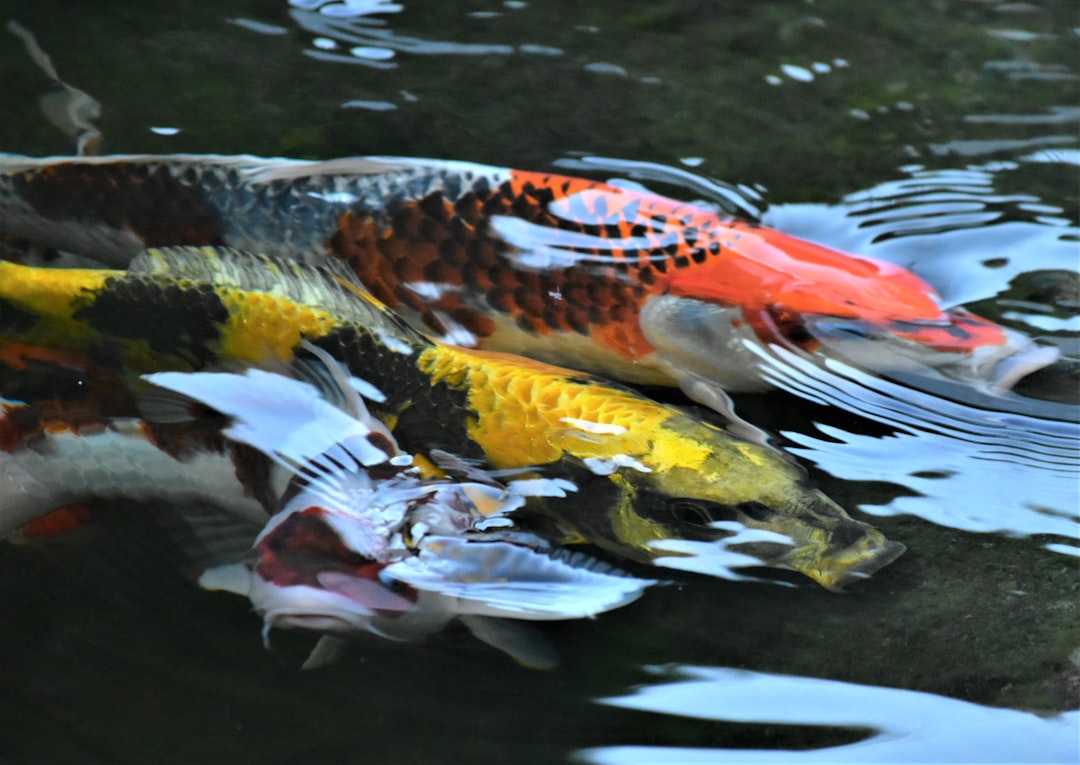
A garden pond transforms any outdoor space into a living sanctuary, and Singapore’s year-round warmth makes pond keeping especially rewarding. This build garden pond Singapore guide from Gensou Aquascaping Singapore walks you through every stage—from choosing the right spot to filling and stocking your new water feature. With over 20 years of hands-on experience building ponds in landed estates, condominiums and even creative HDB setups, we know what works in our tropical conditions.
Planning and Location
Start by deciding the pond’s purpose: a koi pond, a goldfish feature, a planted water garden or a combination. Location matters enormously. Choose a spot that gets morning sun but is shaded from the intense 12 pm–3 pm heat—this keeps water temperature below 31 °C without requiring expensive chillers. Avoid building directly under large trees, as falling leaves create maintenance headaches and clog filters.
Check with your condominium management or, for landed properties, ensure the excavation does not affect drainage or boundary walls. In Singapore, NEA regulations require all outdoor water features to be stocked with fish or fitted with a pump to prevent mosquito breeding—plan for this from the outset.
Size and Depth
Bigger is almost always better in pond keeping. A minimum of 1,000 litres supports a small goldfish collection, while koi need 3,000 litres or more. Aim for at least 1.0–1.2 metres depth in the deepest zone—this thermal buffer is crucial in Singapore, where surface water can hit 33 °C. Include a shallow shelf (20–30 cm deep) along one edge for marginal plants like Cyperus and water lilies.
Choosing a Liner
The three main options for Singapore pond builders are EPDM rubber liner, fibreglass (GRP) and preformed plastic shells. EPDM is the most versatile—it conforms to any shape, lasts 20–30 years and costs roughly $15–$25 per square metre locally. Fibreglass offers a seamless, smooth finish ideal for koi but requires professional installation at $50–$100 per square metre. Preformed shells suit small water features under 500 litres and are available at garden centres across the island.
Excavation and Installation
For in-ground ponds, excavate the hole with sloped sides (about 20 degrees) and a flat bottom. Remove sharp stones and roots, then lay a protective underlay—old carpet or geotextile fabric—before placing the liner. Allow 30–50 cm of excess liner around the edges, which you will trim and hide with coping stones or decking after filling. If building above ground (common for HDB ground-floor patios), a rendered block wall or marine-grade plywood framed with steel works well.
Plumbing and Filtration
Install a bottom drain connected to your filter system before placing the liner for in-ground ponds. A gravity-fed system with a settlement chamber, biological media and UV clarifier is the gold standard for koi ponds. Smaller goldfish ponds can use a submersible pump feeding an external pressurised filter. Budget $500–$2,000 for filtration depending on pond volume and fish load. Always use Schedule 40 PVC piping and true-union ball valves for easy maintenance.
Filling and Cycling
Fill the pond with dechloraminated PUB tap water. Singapore’s chloramine-treated water requires a quality dechloraminator—not just leaving it to sit overnight, as chloramine does not gas off. Add beneficial bacteria starter and run the filter for two to four weeks before introducing fish. Test ammonia, nitrite and nitrate regularly during cycling. Planting marginal and floating plants during this period helps absorb initial nutrient spikes.
Stocking Your Pond
Once ammonia and nitrite read zero, begin stocking gradually. Start with two or three hardy fish—comets or Shubunkin for goldfish ponds, small koi for larger setups—and add more over several weeks. Quarantine all new arrivals for two weeks before adding them to the main pond. Resist the temptation to overstock; in Singapore’s warm climate, fish metabolism is high and waste production is constant.
Related Reading
Pond Filtration System Guide: Mechanical, Biological and UV
Best Pond Plants for Singapore: Tropical Species That Thrive Outdoors



