How to Start a Balcony Pond in Singapore: HDB and Condo Friendly
A balcony pond transforms an underused outdoor space into a living water feature, and Singapore’s tropical climate makes it possible year-round. This start balcony pond Singapore guide covers everything from weight considerations and container choices to fish selection and mosquito compliance. At Gensou Aquascaping Singapore, we have helped dozens of HDB and condo residents set up thriving balcony ponds, and the process is simpler than most people imagine.
Weight Limits and Structural Considerations
HDB balconies are typically rated for a live load of 1.5 kN per square metre, which translates to roughly 150 kg per square metre. Water weighs 1 kg per litre, so a 100-litre tub pond sitting on a 0.5 square metre footprint is well within limits. Condo balconies vary — check your building’s strata management guidelines before installing anything larger than 200 litres.
Position the pond close to a structural wall or column where the slab is strongest, not near the balcony edge. Use a waterproof mat beneath the container to protect the flooring and prevent water stains that may violate tenancy or HDB renovation guidelines.
Choosing the Right Container
Glazed ceramic pots, half wine barrels and heavy-duty plastic tubs are the three most popular options. A 60- to 120-litre container strikes the best balance between visual impact and manageable weight. Black or dark-coloured containers absorb more heat, so line them with reflective insulation or position them in partial shade to prevent water temperatures from exceeding 32 °C during Singapore’s afternoon sun.
Avoid metal containers unless they are food-grade stainless steel — galvanised zinc and copper leach toxins that are lethal to fish. Pre-formed fibreglass tubs from local garden centres on Shopee or Lazada typically cost $40–$80 and are lightweight yet durable.
Fish for Balcony Ponds
Hardy species that tolerate warm, low-volume water are essential. Top choices include:
- Guppies and endlers — colourful, breed readily, handle 28–32 °C with ease
- White cloud mountain minnows — surprisingly heat-tolerant up to 30 °C with good aeration
- Medaka (Oryzias latipes) — small, peaceful and available in dozens of colour morphs locally
- Paradise fish (Macropodus opercularis) — labyrinth breathers that thrive in still, warm water
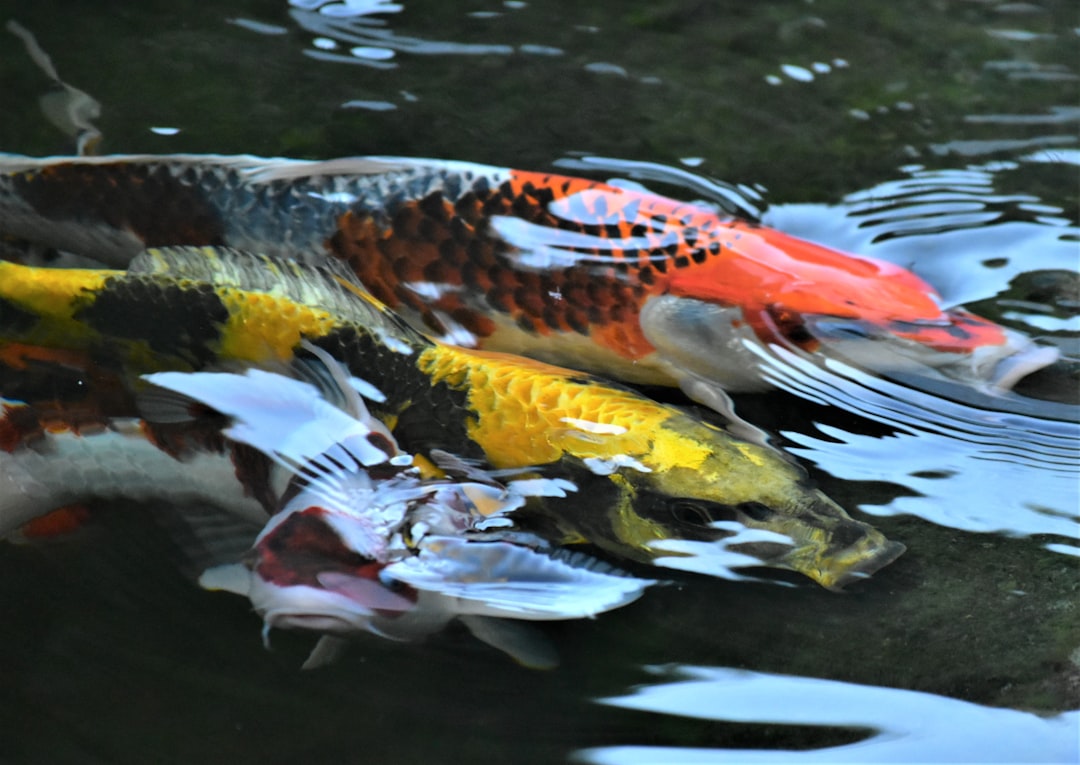
Avoid koi and large goldfish — they outgrow balcony containers within months and produce too much waste for small filtration systems.
Plants and Aquascaping
Floating plants like water lettuce and Amazon frogbit provide shade, reduce algae and give fry hiding spots. Marginal plants such as dwarf papyrus and water iris can be potted in mesh baskets along the rim. Submerged plants like hornwort and Vallisneria oxygenate the water naturally and help with nitrate absorption.
In Singapore’s intense sunlight, expect vigorous plant growth — thin floating plants weekly to maintain at least 40 per cent open surface for gas exchange.
Filtration and Aeration
A small submersible pump rated at 300–600 litres per hour, paired with a simple sponge or box filter, is sufficient for most balcony ponds. Solar-powered pumps are an attractive option for balconies without nearby power outlets, though their flow rate drops on overcast days. A USB-powered air pump running 24 hours a day adds reliable oxygenation for under $15.
Mosquito Prevention and NEA Compliance
Singapore’s National Environment Agency (NEA) enforces strict anti-mosquito regulations, and stagnant water on your balcony can result in fines starting from $200. Mosquitofish, guppies and medaka consume mosquito larvae voraciously — a group of six fish in a 60-litre tub eliminates larvae within hours. Ensure water circulation is continuous and remove any pooling water in saucers or container lids. Inspect your pond weekly, just as NEA inspectors would.
Maintenance Schedule
Top up evaporated water weekly with dechlorinated PUB tap water. Perform a 20 per cent water change every two weeks, siphoning debris from the bottom. Clean the filter sponge monthly in old pond water. Trim plants, remove dead leaves and check fish health during each maintenance session. A well-maintained balcony pond requires roughly 15 minutes of care per week — a relaxing routine rather than a chore.
Related Reading
Outdoor Tub Pond Setup Guide for Singapore: Simple and Affordable
Best Pond Fish for Singapore: Species That Handle Tropical Heat
Pond Mosquito Prevention in Singapore: Fish, Flow and NEA Rules

emilynakatani
Still Have Questions About Your Tank?
Drop by Gensou Aquascaping — most walk-in questions get answered in under 10 minutes by someone who has set up hundreds of tanks.
5 Everton Park #01-34B, Singapore 080005 · Open daily 11am – 8pm