Best Pond Fish for Singapore: Species That Handle Tropical Heat
Singapore’s year-round temperatures of 28–32 °C eliminate many temperate pond favourites, but plenty of species not only survive but thrive in tropical heat. This best pond fish Singapore tropical guide covers the top options for ponds of every size, from compact balcony tubs to full garden installations. At Gensou Aquascaping Singapore, we have stocked ponds across the island for over 20 years and know exactly which fish deliver colour, hardiness and personality in our climate.
Koi: The Classic Centrepiece
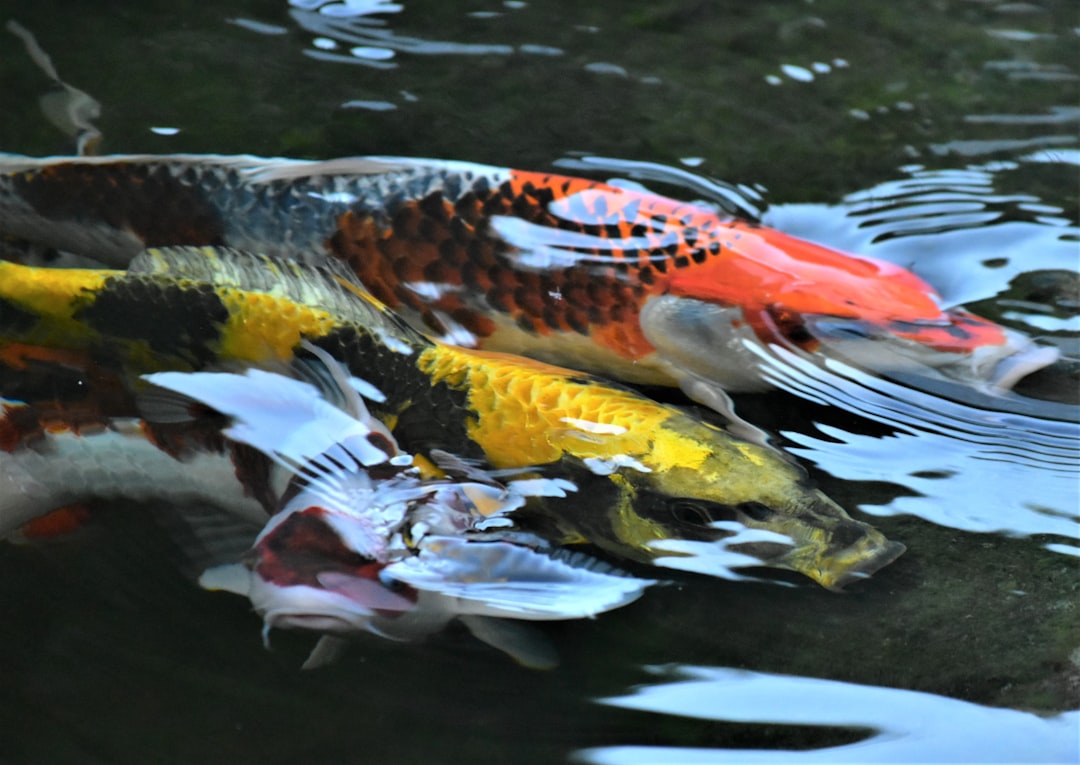
Koi (Cyprinus carpio) remain the most popular pond fish in Singapore’s landed estates. They tolerate warm water up to 30 °C comfortably and handle brief spikes to 33 °C if aeration and shade are adequate. A group of five to six koi needs a minimum of 5,000 litres and strong filtration. Budget $20–$300 per fish depending on grade, with imported Japanese tosai commanding higher prices at specialist shops around Thomson and Clementi.
Goldfish Varieties
Comets and shubunkins are the hardiest goldfish for outdoor ponds — active, colourful and tolerant of Singapore’s soft PUB water with minimal buffering. They suit ponds as small as 500 litres and rarely exceed 25 cm. Fancy varieties like ranchu and oranda can also live outdoors if the pond is shaded and aeration is strong, though their slower swimming makes them vulnerable to predatory birds.
Guppies, Endlers and Medaka
For smaller ponds and tub setups on HDB balconies, livebearers are ideal. Guppies and endlers breed prolifically, consume mosquito larvae and add dashes of neon colour to the water surface. Medaka (Oryzias latipes) have surged in popularity locally, with specialty morphs such as Lame and Youkihi selling for $5–$20 per pair. All three species handle 28–32 °C without stress and require minimal filtration in planted setups.
Paradise Fish and Gouramis
Paradise fish (Macropodus opercularis) are labyrinth breathers that thrive in warm, low-oxygen ponds where other species would struggle. Males display stunning red and blue stripes and can be kept in pairs or trios in 80-litre tub ponds. Three-spot and moonlight gouramis are similarly resilient and add a graceful presence to mid-sized garden ponds, though they prefer dense marginal planting for shelter.
Native and Regional Species
Harlequin rasboras (Trigonostigma heteromorpha), originally from the Malay Peninsula, are one of the few schooling fish that perform well in outdoor ponds if shade and planting are provided. Fighting fish (Betta splendens) do well in solitary tub ponds — a single male in a planted 40-litre container makes a striking display. Tinfoil barbs suit large ponds of 10,000 litres or more, where their silver flash and active schooling behaviour create real drama.
Species to Avoid
Trout, sturgeon and most coldwater species cannot survive Singapore’s heat. Plecos and large catfish are sometimes added as “cleaners” but produce enormous waste and offer little algae control in a pond setting. Piranhas and snakeheads are illegal to keep in Singapore under AVS regulations, so steer clear regardless of what online sellers may claim.
Stocking Tips for Tropical Ponds
Stock conservatively — 2.5 cm of fish per 10 litres is a safe starting point for filtered ponds. Introduce new fish in the early morning or evening when temperatures are lowest. Quarantine all new arrivals for at least two weeks before adding them to an established pond. Ensure every pond has surface movement and shade covering at least 50 per cent of the water area to keep temperatures within the best pond fish Singapore tropical comfort zone.
Related Reading
Koi Fish Care Guide: Pond and Tank
Comet Goldfish Pond Care Guide
How to Keep Pond Water Cool in Singapore