Pond Mosquito Prevention in Singapore: Fish, Flow and NEA Rules
Keeping an outdoor pond in Singapore means taking mosquito prevention seriously — it is both a public health responsibility and a legal obligation. This pond mosquito prevention Singapore guide explains NEA regulations, the best mosquito-eating fish and practical water-management strategies that keep your pond compliant and larvae-free. At Gensou Aquascaping Singapore, mosquito control is built into every pond design we deliver, and the measures are straightforward once you understand the rules.
NEA Regulations Every Pond Owner Must Know
Singapore’s National Environment Agency (NEA) conducts regular inspections of residential and commercial properties under the Control of Vectors and Pesticides Act. Any body of stagnant water found breeding Aedes mosquitoes can result in a fine of $200 for a first offence and up to $5,000 or prosecution for repeat offenders. Ponds, tub gardens and even plant saucers are all subject to inspection.
The key requirement is simple: your pond must not harbour mosquito larvae at any time. NEA inspectors use a dip test — if larvae are found, a notice is issued on the spot. Fortunately, a well-maintained pond with fish and water movement will naturally prevent breeding.
Mosquito-Eating Fish
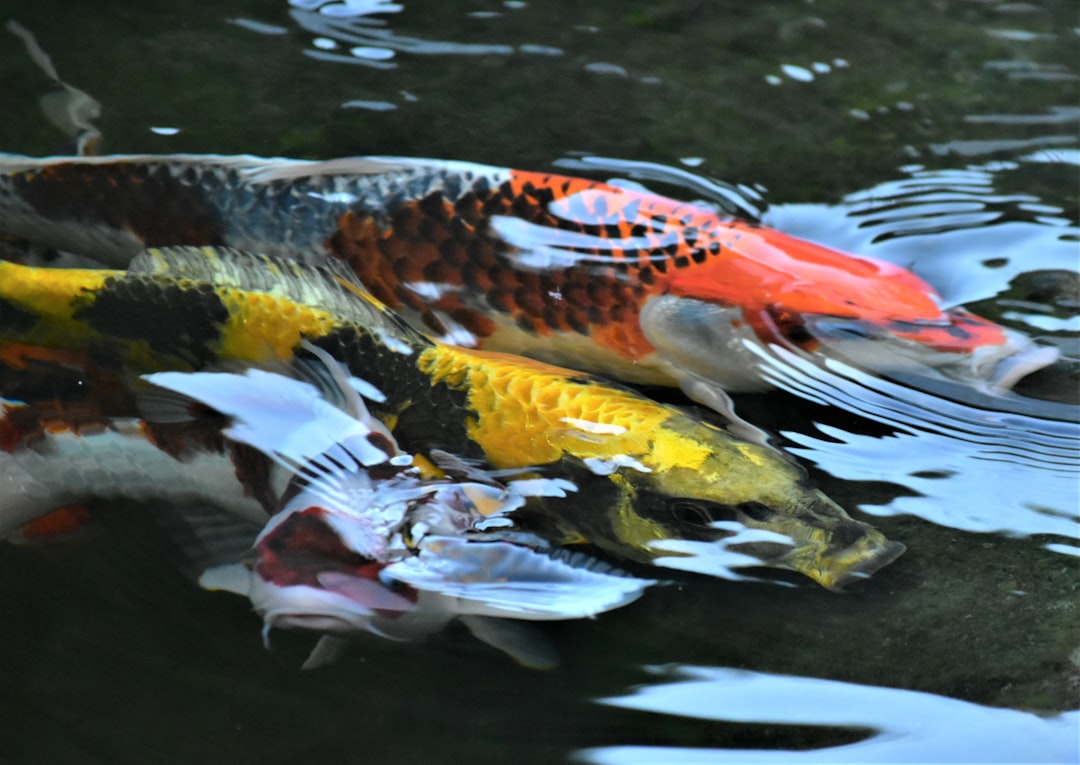
Stocking your pond with larvivorous fish is the single most effective prevention method. Guppies are the gold standard — a group of six to eight guppies in a 60-litre tub pond will consume every mosquito larva within hours. Endlers, medaka and mosquitofish (Gambusia affinis) are equally voracious. Even larger pond fish like koi and goldfish eat larvae, though they may miss some in dense marginal planting.
Maintain a healthy fish population proportional to your pond size. If fish numbers drop due to natural attrition, replace them promptly — an unstocked pond can produce hundreds of adult mosquitoes within a single week in Singapore’s tropical warmth.
Water Circulation and Surface Movement
Mosquitoes lay eggs on still water surfaces. Any form of surface agitation — a fountain, waterfall, air stone or pump return — disrupts egg-laying and makes the pond inhospitable for breeding. A small submersible pump running continuously at 300–500 litres per hour is sufficient for most ponds up to 2,000 litres. Solar-powered fountains are a popular add-on for tub ponds, though they stop at night when mosquitoes are most active, so pair them with a mains-powered air pump for 24-hour coverage.
Eliminating Surrounding Breeding Sites
Your pond may be compliant, but stagnant water in nearby pot saucers, rain gutters, tarpaulin folds and discarded containers can still attract NEA attention during an inspection. Check the area within two metres of your pond weekly. Flip unused pots, empty saucers and clear blocked drains. In HDB common corridors and condo ground floors, coordinate with neighbours to ensure shared areas remain free of standing water.
Pond Design Features That Help
Steep-sided ponds with vertical walls above the waterline make it harder for mosquitoes to access the surface. Overhanging marginal plants should be trimmed so fish can patrol the entire water surface without obstruction. Avoid creating isolated pockets of still water in rock features or planting shelves — these are the spots where larvae hide from fish. If your pond has a separate sump or filter chamber, ensure it is fully enclosed or stocked with a few guppies as a backup.
Chemical and Biological Treatments
Bacillus thuringiensis israelensis (BTI) dunks are a biological larvicide that is safe for fish, plants and humans. Drop one dunk per 10 square metres of surface area; it remains effective for about 30 days. BTI dunks are available on Shopee and Lazada for roughly $10–$15 per pack. Use them as a secondary measure alongside fish, not as a replacement — NEA inspectors expect to see active larvae control, not just chemical treatment.
What to Do if You Receive a Notice
If NEA issues a notice, act immediately. Stock the pond with guppies or mosquitofish, install an air pump for surface movement and remove all surrounding breeding sites. Photograph the corrective actions and keep the receipt for any fish or equipment purchased. A follow-up inspection usually occurs within one to two weeks. Repeated violations can lead to court prosecution, so compliance is not optional — it is essential for every pond mosquito prevention Singapore strategy.
Related Reading
How to Start a Balcony Pond in Singapore: HDB and Condo Friendly
Outdoor Tub Pond Setup Guide for Singapore: Simple and Affordable
Best Pond Fish for Singapore: Species That Handle Tropical Heat

emilynakatani
Still Have Questions About Your Tank?
Drop by Gensou Aquascaping — most walk-in questions get answered in under 10 minutes by someone who has set up hundreds of tanks.
5 Everton Park #01-34B, Singapore 080005 · Open daily 11am – 8pm