
Flame Angelfish Care Guide: Centropyge Loricula in Reef Tanks
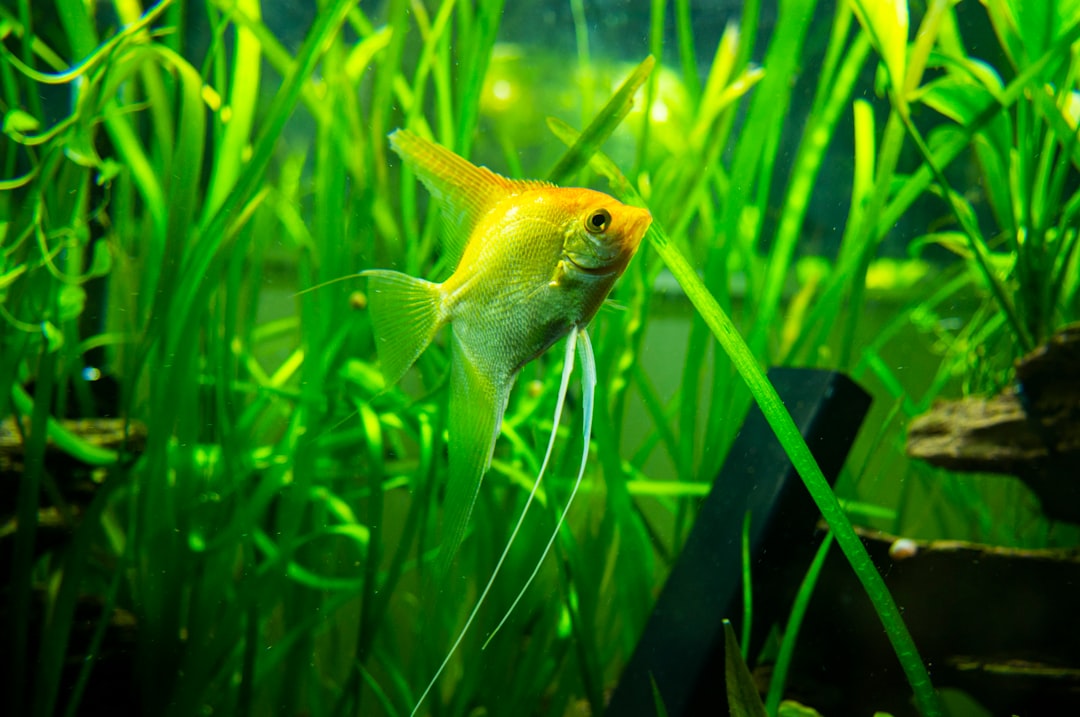
Few dwarf angelfish rival the flame angel for sheer visual impact. Centropyge loricula sports an intense orange-red body with vertical black bars and electric blue dorsal and anal fin edges — a colour combination that makes it one of the most photographed reef fish in the hobby. This flame angelfish care guide from Gensou Aquascaping at 5 Everton Park, Singapore addresses the question every reefer asks: can you safely keep one in a coral-filled tank? This guide sits inside our broader Tropical Fish Species Master Index reference.
Species Overview
Centropyge loricula belongs to the dwarf angelfish family, reaching a maximum size of 10-12 cm. Found naturally across the central and western Pacific, particularly around the Marshall Islands and Hawaii, these fish inhabit rubble zones and reef slopes. Lifespan in captivity is typically 5-7 years with proper care. Specimens from different collection areas show slight colour variations — Marshall Islands fish tend to display deeper red tones compared to the slightly orange Hawaiian specimens.
Tank Size and Environment
A minimum tank size of 250 litres provides adequate space for a single flame angel. Include plenty of live rock with hiding holes, crevices and overhangs — these fish spend much of their time grazing on rock surfaces and darting into shelter when startled. A mature tank with established microalgae and microfauna on the rockwork offers both supplemental food and natural enrichment. Bare or newly set-up tanks leave flame angels stressed and nutritionally deprived.
Water Parameters
Standard reef parameters suit flame angels well: salinity at 1.025, temperature between 24-27 degrees Celsius, pH 8.0-8.4, ammonia and nitrite at zero, nitrate below 15 ppm. They adapt quickly to established systems and are generally hardy once acclimated. Singapore’s tropical heat demands cooling measures — a chiller or fan setup keeping temperatures at 25-26 degrees Celsius prevents heat-related stress during our warmer months.
Diet and Nutrition
Flame angelfish are omnivores with a strong grazing instinct. Offer a varied diet of spirulina-based flakes, marine algae sheets, frozen mysis shrimp, enriched brine shrimp and high-quality angelfish-specific pellets containing sponge material. Feed two to three times daily in small portions. Sponge-based foods are particularly important, as dwarf angels consume sponge tissue in the wild — formulas from brands like New Life Spectrum and Ocean Nutrition include these ingredients.
A well-fed flame angel is far less likely to pick at coral polyps. Nutritional deficiency is the primary driver behind problematic coral nipping.
The Reef Safety Question
Here is the honest answer: flame angelfish are reef-safe “with caution.” Most individuals leave corals entirely alone, especially when well-fed and housed in a mature system with ample grazing surfaces. However, a percentage — perhaps 20-30 percent — develop a habit of nipping at LPS polyps, zoanthid polyps or clam mantles. SPS corals are rarely targeted. There is no reliable way to predict individual behaviour before purchase.
Strategies to minimise risk include keeping the fish well-fed with varied foods, adding the flame angel last to a stocked reef, and choosing a tank with abundant live rock. If nipping behaviour develops and persists, a fish trap allows removal without dismantling the entire aquascape.
Compatibility and Tank Mates
Flame angels are semi-aggressive toward other dwarf angelfish. Keep only one Centropyge species per tank unless the system exceeds 500 litres with significant visual barriers. They coexist peacefully with tangs, wrasses, clownfish, gobies and most other community reef fish. Introduce the flame angel after less assertive species are established to reduce territorial aggression during the critical settling period.
Common Health Issues
Flame angelfish are moderately susceptible to marine ich and marine velvet. Quarantine new specimens for four weeks with careful observation. They tolerate copper treatment at standard therapeutic levels (0.15-0.25 ppm) better than some other dwarf angels, though tank transfer method is a gentler alternative. HLLE occasionally develops in specimens housed in tanks with poor water quality or inadequate diets — increasing vegetable matter and vitamin supplementation usually reverses early-stage cases.
Adding a Flame Angel to Your Singapore Reef
Priced between $40-$80 SGD at local marine shops, the flame angelfish delivers outstanding value in terms of colour, personality and longevity. Accept the small risk of coral nipping, keep the fish well-fed with varied foods, and you will most likely enjoy a stunning centrepiece fish that patrols your rockwork with confident, darting movements for years to come.
Related Reading



