
Mandarin Dragonet Care Guide: Feeding, Copepods and Tank Requirements
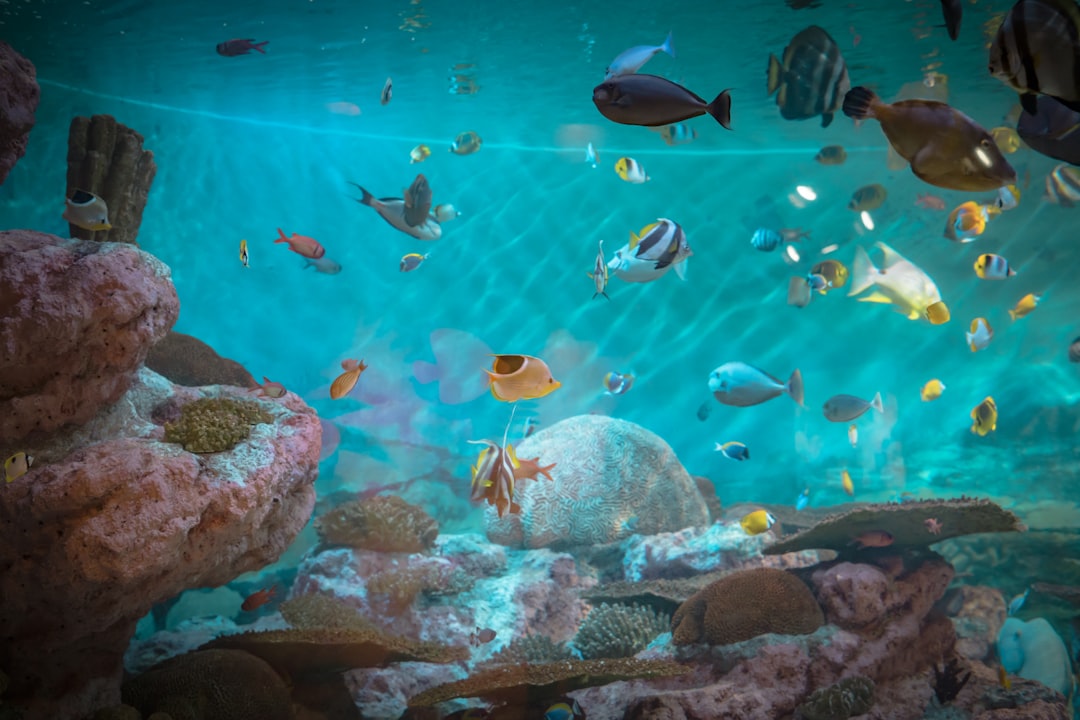
Draped in psychedelic swirls of blue, orange, green and purple, the mandarin dragonet is arguably the most beautiful fish available to reef keepers. Yet Synchiropus splendidus carries a reputation for being difficult to maintain — and that reputation is deserved, unless you understand its very specific dietary needs. This mandarin dragonet care guide from Gensou Aquascaping at 5 Everton Park, Singapore explains how to keep these extraordinary fish alive and healthy long-term.
Species Profile
Synchiropus splendidus belongs to the dragonet family (Callionymidae) and reaches about 6-8 cm in length. Males are slightly larger than females and possess an elongated first dorsal spine. Found naturally across the western Pacific, mandarin dragonets inhabit sheltered lagoons and inshore reefs where they hop along rubble and live rock, constantly hunting tiny crustaceans. Their thick mucus coating — which gives them their slightly slimy feel — provides protection against parasites, making them remarkably resistant to ich and velvet compared to other marine fish.
The Copepod Challenge
Mandarin dragonets are obligate microfaunal feeders. In the wild, they spend their entire day pecking at copepods, amphipods and other tiny invertebrates living on rock surfaces. A single mandarin can consume thousands of copepods daily. Without a self-sustaining population of live food, a mandarin will slowly starve — often over weeks or months, appearing healthy until the final rapid decline.
Your tank needs to be mature — at least 12 months old — with a minimum of 50 kg of established live rock in a system of 200 litres or more. A connected refugium seeded with chaetomorpha algae and copepod cultures provides a continuous breeding ground that replenishes the display tank’s microfauna. Purchase live copepod starter cultures (available from $15-$30 SGD in Singapore marine shops) and seed both the refugium and display regularly during the first few months.
Training on Prepared Foods
Some captive-bred mandarin dragonets accept frozen foods, which dramatically improves their survival rates. Captive-bred specimens from ORA or Biota are pre-trained on frozen mysis and brine shrimp, making them far easier to maintain than wild-caught fish. If purchasing a wild specimen, attempt training by target-feeding frozen cyclops or baby brine shrimp near the fish using a pipette. Success varies — some individuals learn quickly, while others refuse anything but live prey indefinitely.
Water Parameters and Tank Setup
Standard reef parameters apply: salinity at 1.025, temperature between 25-27 degrees Celsius, pH 8.0-8.4, ammonia and nitrite at zero and nitrate below 15 ppm. Mandarin dragonets are bottom-dwellers that perch on rocks and sand, so a mixed substrate with rubble pieces provides ideal habitat. They rarely venture into the upper water column except during mating. Low to moderate flow at the substrate level allows them to hunt without fighting current.
Compatibility
Mandarin dragonets are peaceful and ignore other fish species entirely. The concern runs in reverse — aggressive or fast-eating tank mates can outcompete the slow, methodical mandarin for food. Avoid housing them with six-line wrasses (Pseudocheilinus hexataenia), aggressive dottybacks or other dragonet species that compete for the same copepod prey. A single mandarin per tank is the safest approach unless you maintain a very large system (400 litres plus) with a robust copepod population.
Males are aggressive toward other males, identifiable by their longer first dorsal spine. A male-female pair can coexist and may even spawn regularly at dusk — a fascinating behaviour where the pair rises together in the water column and releases eggs and sperm simultaneously.
Common Problems
Starvation is the overwhelming cause of mandarin dragonet death in captivity. A healthy mandarin has a rounded belly and actively hunts throughout the day. A sunken belly or lethargy indicates the copepod population has been depleted. By this point, recovery is difficult. Prevention through adequate tank maturity, refugium maintenance and supplemental copepod additions is far more effective than attempting to rescue a starving fish.
Their thick mucus coating makes mandarins highly resistant to Cryptocaryon irritans and Amyloodinium ocellatum, which is one significant advantage of the species.
Should You Keep a Mandarin Dragonet?
Be honest about your system’s maturity and copepod production capacity. A mandarin in a new or small tank without a refugium is almost certainly doomed. But in a well-established 250-litre reef with thriving microfauna, a mandarin dragonet becomes one of the most rewarding fish you can own. Captive-bred specimens, available for $50-$100 SGD in Singapore, offer the best chance of long-term success and should always be your first choice.
Related Reading



